Gen Z’s the New ‘Big Boss’ of Reality Shows

Youngsters once dismissed reality game shows like Bigg Boss & Lock Upp, but now they’re hooked to ‘kalesh’ chaos, making it their fav playground for memes, strategy, gossip and endless online debates
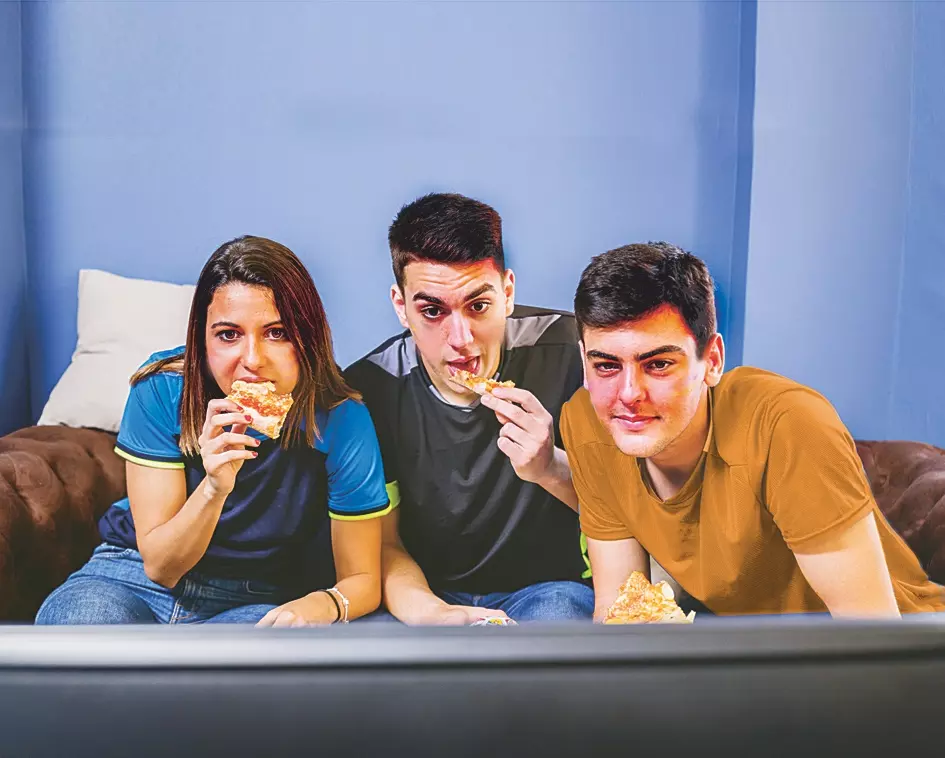
There was a time when admitting you were an ardent follower of Bigg Boss, Splitsvilla or Khatron Ke Khiladi was likely to invite a raised eyebrow. Reality game shows were often dismissed as too dramatic, loud or even crass. Today, however, the same shows have become considerably harder to ignore — and Gen-Z is openly embracing the kalesh, drama, romance, betrayal and the unpredictability of it all.
Kalesh/Kaleshi (conflict/ quarrelsome), is one of Gen-Z’s favourite Hindi terms to use these days. With Lock Upp: Sach Ya Sazaa wrapping up its first season with Netflix and having 125 million viewing hours after a six-week run, the homegrown reality show format which was once a niche and limited to the desi TV screens, has now become a daily talking point for millions of viewers, especially among youngsters.
What makes this particularly interesting is that the digi natives have endless supply of Netflix, YouTube, Instagram, anime, K-dramas, podcasts etc. Yet, reality game shows—with their arguments, alliances, and competitions—have managed to hold their attention.
Picture Abhi Baaki Hai
“The show never ends when the episode does. Perhaps the biggest change is that watching reality television is no longer limited to sitting in front of a screen and finishing an episode” says Chetan Dixit, an Executive Producer with BlackBox Entertainment.
A dramatic confrontation becomes a meme. A contestant's reaction becomes a reaction GIF. An elimination sparks fan theories. A relationship gets analysed through hundreds of edits. Within hours, an episode can become an entire social-media ecosystem.
“I mostly use social media to watch reels or clips from episodes, follow news and updates. I don’t really participate in online communities, polls, or fan wars, and I don’t consider myself a fan of any particular contestant. I like watching the shows, but I don’t allow them to completely take over my life,” says Dhanashree Subhedar, a marketing executive from Mumbai.
Indians may remember a time when reality TV—from singing and dance competitions to survival shows—largely revolved around one thing: voting. Polls would remain open for a week as hosts urged viewers to save their favourite contestants from elimination. It was a relatively active form of viewing, but nothing compared to today’s highly engaged audience. Through social media, viewers predict eliminations, analyse strategies, defend contestants, create memes, make fan edits and dissect every expression in a promo.
“Social media & the OTT platform’s involvement in reviving the era of reality shows has highly helped in gaining viewer’s attention that was slowly fading away,” adds Dixit.
Unscripted: The New Authentic
For youngsters, “OG”, (acronym for Originality) is the colloquial expression of authenticity. And there is nothing else that woos Gen-Zs more than authenticity. “The reality shows that are releasing now have hit a sweet spot for us. There is neither a lot of goody-goody, overtly emotional stuff, nor the endless screaming for attention in these shows. That makes them more natural & interesting,” says Varsha Sule, who is eagerly awaiting Lock Upp Season 2.
“As a Gen-Z, I tend to get bored watching scripted shows. So, when I discovered that there are shows out there that are mostly unscripted, even though they claim to be 100% unscripted, I became interested in them,” adds Subhedar. However, many youngsters found the recent season of Lock Upp a little scripted and underwhelming.
“In lockup my favourite was actually no one. I didn't want Shreya (Kalra) to win because all she did was fight and nothing else. Lock Upp this time felt very much scripted,” says Khushi Darji, a professional working in a CA firm.
This suggests that Gen-Z’s interest in reality television goes beyond the drama. They are increasingly drawn to the dynamics of the game—the decisions contestants make, the strategies they employ and the personalities they bring to the table. They are drawn more to contestants who can surprise them through their choices rather than simply scream and shout for screen time.
The B-town Masala
The mix of Bollywood faces and “Insta-famous” influencers and comedians is another big draw, giving youngsters familiar personalities to root for. “I definitely feel that having famous influencers and big Bollywood personalities as hosts or judges has increased the sudden interest among Gen-Z,” says Vaibhav Bhatia, a Creative Producer from Mumbai.
Gen-Z is now seeing the faces they know from Bollywood and Instagram move from their phone screens to the reality-show stage. Karan Johar’s The Traitors, a Dharmatic Entertainment project, and Farah Khan and Riteish Deshmukh bringing their familiar wit and comic timing to Lock Upp add to the appeal. For a generation used to seeing these personalities on reels, watching them host and play the reality-TV game makes the shows that much more fun to follow.
“Today’s generation follows and gets influenced by these personalities on social media, so seeing them on reality shows gives the audience a chance to know more about them beyond their usual Instagram content,” adds Bhatia.
The Cultural Currency
Reality television may never have been as “dead” as people assumed. What has changed is its place in the culture. The irony is that a genre once dismissed for being too loud has found a perfect home in the loudest corner of the internet. The arguments continue. The alliances change. Someone gets eliminated. Someone becomes a meme. And by the time the credits roll, the chronically online Gen-Z of the internet, are only getting started.