‘For Me, the Film Is More Important than My Role’

Jaya Bachchan goes down memory lane as Kabhi Khushi Kabhi Gham turns 24
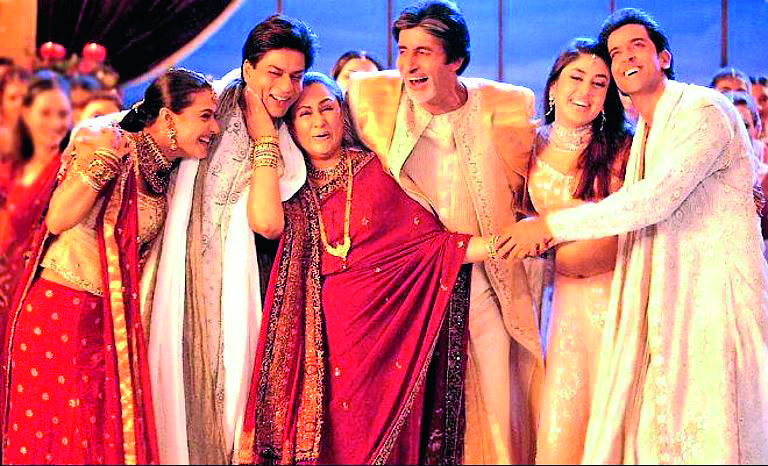
Karan Johar’s Kabhi Khushi Kabhi Gham completed 24 years on December 14. Jaya Bachchan reflects on her experiences on set and shares candid thoughts on modern directors and actors, including her son Abhishek.
QWhat prompted you to do K3G?
It was because of Karan Johar. He has been like a son to Amit and me — we watched him grow up before our eyes. I simply couldn’t say no to him. I had complete faith in him and knew he would never offer me an inconsequential role. I’ve trusted his parents for years—Karan’s mother went to school with my husband, and Karan and Abhishek attended each other’s birthday parties. Yashji’s first production, Dostana, even starred my husband. Even if Karan had offered me a bit part, I’d have accepted.
QWhat was it like, working with Amitji?
Wonderful! We’ve always worked very well together. There’s a great deal of comfort between us. We went for the shoots separately because our timings were different. I’d be on the sets early morning. Amit would be called later when all the other stars arrived. But after pack-up we returned home together.
QDid you discuss the scenes after pack-up?
No. What’s there to discuss after we had worked together so often? Working with him, there’s no cause to be edgy, because you know he’ll never try to steal the scene from you. A lot of actors do that. Not that it ever bothered me. For me the film is more important than my role or performance. That’s why I accepted films like K3G and Sholay where I may not have unlimited footage. But I’m important to the drama.
QHow different are the actors today as compared with your generation?
The younger generation of actors needs different direction. In our time, directors would tell us what to do, and we followed. Today’s actors want motives, explanations, and guidance on how to perform a scene. I see this with my own son — When I tell him to do something, I notice a reluctance. But when I explain why something needs to be done, he responds positively.
Directors today must know their craft. I wish someone like Hrishikesh Mukherjee or Gulzar could direct Abhishek—such actor-directors could convey everything with a simple conversation. I feel he’s missing out.
QHow do you evaluate Abhishek as an actor?
I’m very critical of his performances. I think Abhishek has a really enigmatic smile and eyes. I think some director should use his smile and eyes effectively.
