From Maruthi’s The Raja Saab to Srikanth Odela’s The Paradise, Telugu filmmakers are discovering that a film’s online afterlife can be more punishing than its theatrical run
A film flops. The memes begin. But when jokes turn personal, the fallout can last long after the box-office numbers are forgotten.
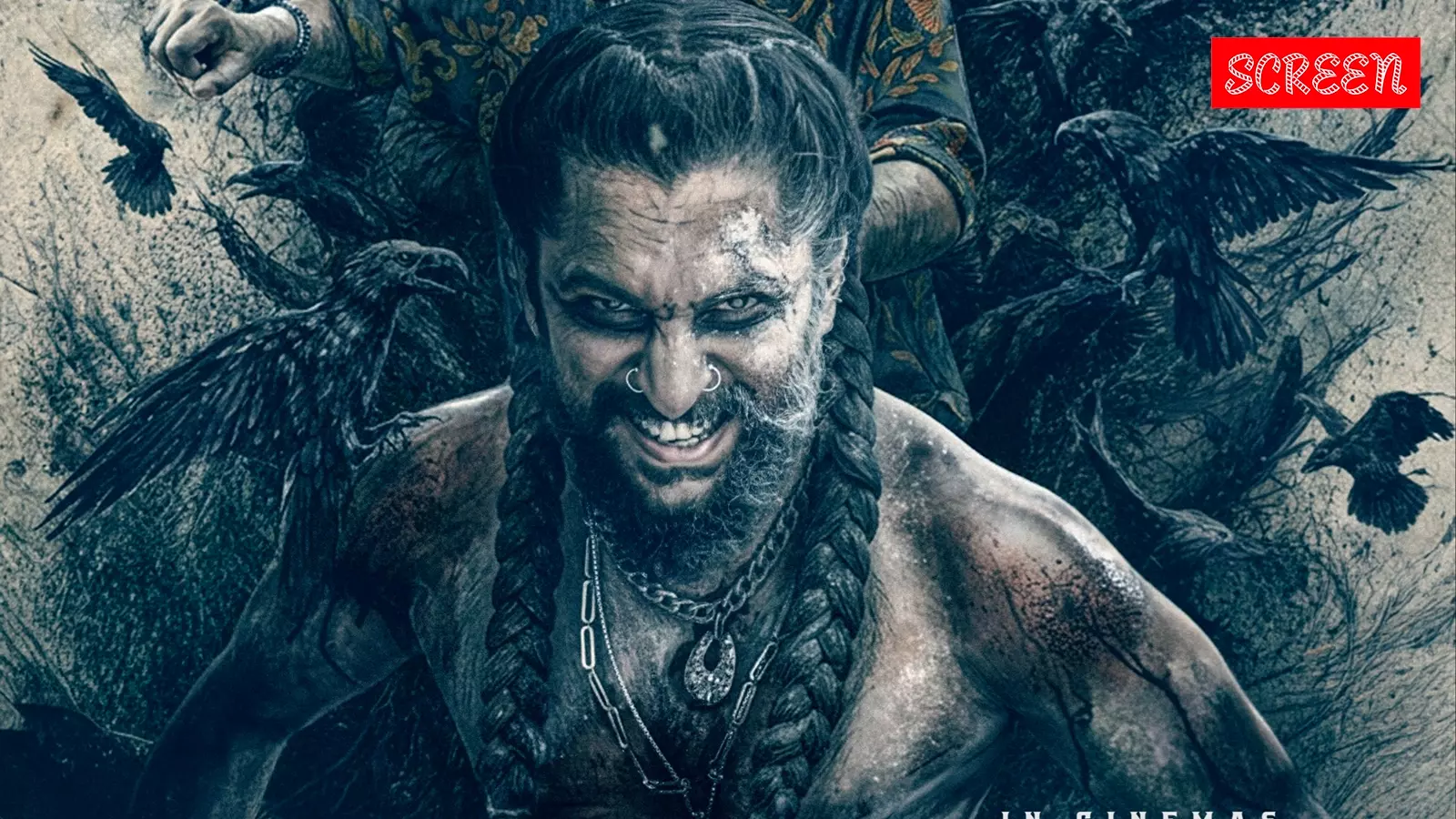
The latest flashpoint is Srikanth Odela’s The Paradise. After the Nani-starrer faced criticism for its second half, violence and a much-mocked dance sequence, its Netflix primer reignited debate. Reports said the streaming version had been shortened and the sequence removed, although accounts differed on the final runtime.
Maruthi’s The Raja Saab, starring Prabhas, offers another example. Following its release, criticism of the film’s writing and execution spilled into personal trolling. Producer SKN subsequently approached Hyderabad Cyber Crime Police over allegedly derogatory and misleading posts targeting the film and its actors.
For one prominent Telugu director, whose recent film with a superstar failed to meet blockbuster expectations, the experience was devastating. He told this writer the backlash extended to his family. “It’s as if I had committed a crime against humanity. The trolls targeted my family. It got so brutal that I was on the verge of a nervous breakdown. I had to take professional help,” says the filmmaker.
WHEN CRITICISM TURNS CRUEL
In Tollywood, where superstar fandom can be fiercely possessive, a disappointing film can quickly turn its director into the villain. Fans who feel their favourite actor has been let down often direct their anger at the filmmaker, even when a film’s shortcomings may involve several creative and production decisions.
The trolling is not confined to individual films. Boyapati Sreenu has become a meme target for his exaggerated action sequences and familiar commercial tropes. Trivikram, who was once celebrated for his dialogue writing, has faced criticism over what some viewers perceive as repetitive storytelling and character arcs in his latest films.
THE TROLLING AFTERLIFE
A film’s release is no longer the end of the conversation. Reactions to premiere shows can spread within minutes; streaming offers another opportunity to replay scenes, isolate perceived flaws and revive old controversies. The pressure can influence promotional strategies, editing decisions and release planning. Yet not every change is dictated by trolls, and a film’s commercial failure should not automatically be blamed on online hostility.
CRITICISM OR HARASSMENT?
A negative review, a meme about a scene or a poor box-office verdict is not automatically harassment. Threats, doxxing, targeted abuse and attacks on relatives cross a different line. The distinction matters if the debate is to protect both audiences’ right to speak and filmmakers’ right to work without intimidation.
RECENT FLASHPOINTS
The paradise: The Nani-starrer faced criticism for its second half, violence and a much-mocked dance sequence. Reports of changes to its October 22 Netflix version reignited debate, though the extent of the reported recut remains unclear.
The Raja Saab: Prabhas’ film faced backlash after its January 2026 release. Director Maruthi spoke of the pain of seeing years of work reduced to memes, while producer SKN approached Hyderabad Cyber Crime Police over allegedly derogatory and misleading online posts.
Ustaad Bhagat Singh: After the Pawan Kalyan-starrer faced criticism, director Harish Shankar drew a line between constructive feedback on writing and pacing and personal abuse online.