Films Address Violence Against Women, yet Nothing Changes

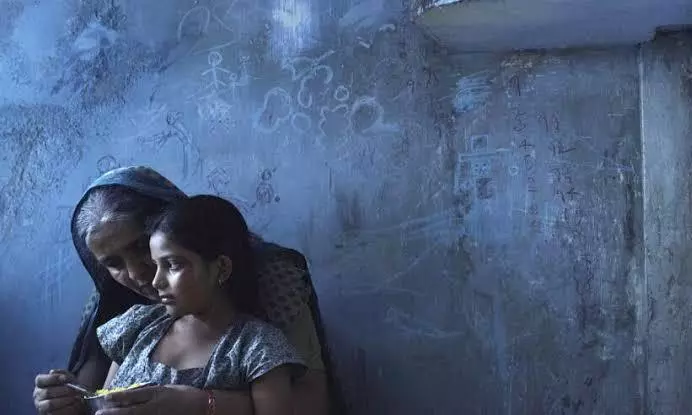
A spate of significant films — from Mardaani (2014) and Mardaani 2 (2019) to Kahaani 2: Durga Rani Singh (2016), Ajji (2017), Bhakshak (2024), and this month’s Gandhari and Daayra — has explored the dark reality of sexual crimes against women and children. Can such films actually curb real-life crimes, such as the recent Noida-Delhi bus gangrape?
“No, films don’t change anything,” says Raveena Tandon angrily. “The Nirbhaya incident happened in 2012. Now, 12 years later, we have a replay of the same incident in the same city. Cinema helps create some awareness and make noise for the time being. Politicians, NGOs and others make all the right noises, and then everything is forgotten until the next horrific incident. The criminals in the Noida case should be hanged in public. Drastic measures are the only solution.”
Actress and politician Khushbu Sundar agrees. “Cinema doesn’t change criminal mindsets. Every film gives one message: good wins over evil. People don’t understand this simple message. Films with good messages might draw critical appreciation, but they don’t bring about change. The everyday rapes, sexual assaults and crimes against women and children prove this.”
Filmmaker Kanika Dhillon, who wrote Gandhari on child trafficking, says: “Cinema definitely helps us empathise and sensitise ourselves to an issue, so we don’t just read such incidents as statistics but feel the pain of the victims. In a small way, we can push for better safety protocols and quick action.”
Shabana Azmi also sees cinema as a catalyst rather than a solution. “All arts can create a climate of sensitivity in which change can occur. They can be catalysts for change by holding up a mirror to society. Films can bring safety issues into focus, but the government and civil society have to work together. Frankly, I don’t think there is a single solution.”
Pooja Bedi, a vocal activist, believes cinema can be an effective tool for changing attitudes. “A powerful film can make you feel something. And when people feel something, they are more likely to question their own behaviour,” she says. “Nothing changes overnight, but conversations between parents and children can eventually open minds and shift consciousness.”
Perhaps that is where the film industry’s responsibility — and its limitation — lies. Cinema can shock, move and provoke, but once the credits roll, the real fight against sexual violence begins outside the theatre.
Standalone quotes:
Dia Mirza: “Films are a powerful medium to inform, build empathy and inspire action. These themes matter.”
Pulkit, director of Bhakshak: “Good films can create awareness, provoke conversations and force society to confront uncomfortable truths. But films alone cannot eradicate the problem. They can show us the wound; they cannot heal it. The real solution lies beyond cinema—in better parenting, education, teaching consent and respect, accountable policing, swift justice, and a culture where perpetrators know they cannot get away with their actions. We need to stop teaching children only how to protect themselves and start teaching society how not to become a threat to them.”
Nandini Reddy: “Films are a very efficient and quick way of disseminating information. Stories that strike an emotional chord definitely impact audiences. How effective they are depends on many other things, but cinema can certainly start a conversation, a thought and, in some cases, even action.
Taapsee Pannu: “I don’t think films can solve the issue. Whenever I have done a social-issue film, I have always said that films can only start conversations. People see the issue on the big screen, it touches them, and perhaps they feel they need to do something at their own level. They may at least have a conversation with friends and family and together find a solution. Films don’t offer solutions. They only start conversations.”
