Fatty liver: The emerging crisis
Over 45% Indians are affected by non-alcoholic fatty liver disease (NAFLD), warns expert

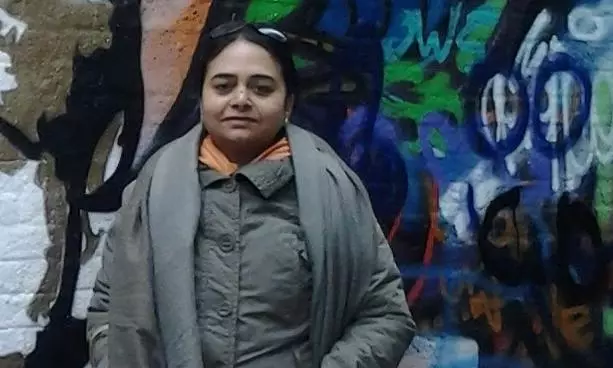
Recently, Bollywood actor Hrithik Roshan’s sister Sunaina shared her inspiring journey of overcoming fatty liver; through mindful eating and regular exercise, Sunaina asserts she is now “completely cured” of her Grade 3 fatty liver.
Fatty liver disease, a condition characterised by the accumulation of fat in the liver, is becoming a growing concern worldwide, with approximately 30% of adults impacted by it. Fatty liver can manifest as either alcoholic fatty liver disease or non-alcoholic fatty liver disease (NAFLD), resulting from an accumulation of fat in the liver that is not linked to excessive alcohol intake. “Fatty liver is found in one among five individuals in India, and most of them consider it normal, though it is not really so. Fatty liver is due to excess fat within the liver, which, if not controlled, can lead to inflammation, scar- ring at a later stage, liver cirrhosis. With 30 per cent of the population suffering from incidence of severe fatty liver, it is a cause for concern,” explains Professor Dr Tom Cherian, senior liver transplant surgeon and managing director of South Asian Liver Institute.
Causes
Fatty liver occurs when the fat content in the liver surpasses the usual amount. “When the fat content in the liver reaches up to 10 percent, it is considered mild; between 10 and 30 percent is classified as moderate, while anything over 30 percent is deemed severe and necessitates medical intervention,” says Dr Cherian. Non- alcoholic fatty liver disease (NAFLD) is the scientific name for ‘fatty liver.’ By definition, these are people who do not abuse alcohol. “While many individuals with NAFLD experience only the presence of simple fat in their liver cells, some may progress to a more complex condition marked by fat accompanied by an inflammatory aspect referred to as non-alcoholic steatohepatitis (NASH). The latter is closely linked to the progression of liver scarring and ultimately, liver cirrhosis,” he adds.
Symptoms
Bleeding from the intestines or elsewhere, itching, jaundice (yellow skin and eyes), ascites (water within the abdomen), are some symptoms that suggest the presence of advanced liver dis- ease or cirrhosis. “But it must be noted that early fatty liver is virtually symptom free. It is only during the advanced stages that it gets identified in patients. Although liver biopsy is the only method of confirming the presence of NAFLD, basic blood tests and a good quality ultrasound can warn of the presence of this disease in most patients before symptoms. However, those who are obese or diabetic must check their livers once a year via ultra- sounds and blood tests,” says the Dr.
Diagnosis
In recent times, it is not unusual for someone to have an incidental ultra- sound report that says ‘grade 1 or 2 fatty liver’. In fact, it is so common that many people think it is not a serious abnormality and can be ignored. However, this is not true. A recent study confirmed that liver transplantation for fatty liver now represents the fourth most common reason for transplantation in patients.
Is fatty liver disease irreversible?
“In the early stages (grade 1 to 3), early intervention can reverse the process of the disease. But once cirrhosis sets in, in most cases even if the injury is removed, further progression and symptoms is likely,” he says.
NASH can advance to cirrhosis in 9-20 percent of patients, with about half experiencing symptoms within seven years, and it is also linked to the onset of liver cancer. Liver transplantation (LT) is the preferred approach for these patients, and the results are promising, with 1- and 5-year survival rates reaching 80 percent.
Non-alcoholic fatty liver disease cases rise
Due to obesity, hypertension and diabetes mellitus, the prevalence is found to be as high as 45 per cent Carbohydrates, in the form of rice, are a central component that can lead to accumulation of triglycerides within the liver. “This process, overtime, leads to significant liver scarring and eventual progression of disease. It is a preventable disease if people take the right steps in time,” warns Dr Cherian.
A few tips to maintain good liver health
A good diet and exercise to prevent obesity.
Refrain from regular and excessive alcohol (an occasional drink e.g. one glass of wine once a fortnight does not hurt).
Ensure good sugar level control if diabetic.
Get vaccinated against deadly liver viruses like Hepatitis B.
Hrithik Roshan’s sister Sunaina shared her inspiring journey of overcoming fatty liver She asserts she is now “completely cured” of her Grade 3 fatty liver.
It is so common that many people think that fatty liver is not a serious abnormality and can be ignored. However, this is not true. A recent study confirmed that liver transplantation for fatty liver now represents the fourth most common reason for trans-plantation in patients.
Fatty liver is found in one among five individuals in india, and most of them consider it normal, though it is not really so. It is due to excess fat within the liver, which, if not controlled, can lead to inflammation. — Professor Dr Tom Cherian, Senior liver transplant surgeon.
