Fans Suffer From Celeb Reel Fatigue

People are exhausted of stars and their PR machinery bombarding them with reel lifestyle drama 24x7
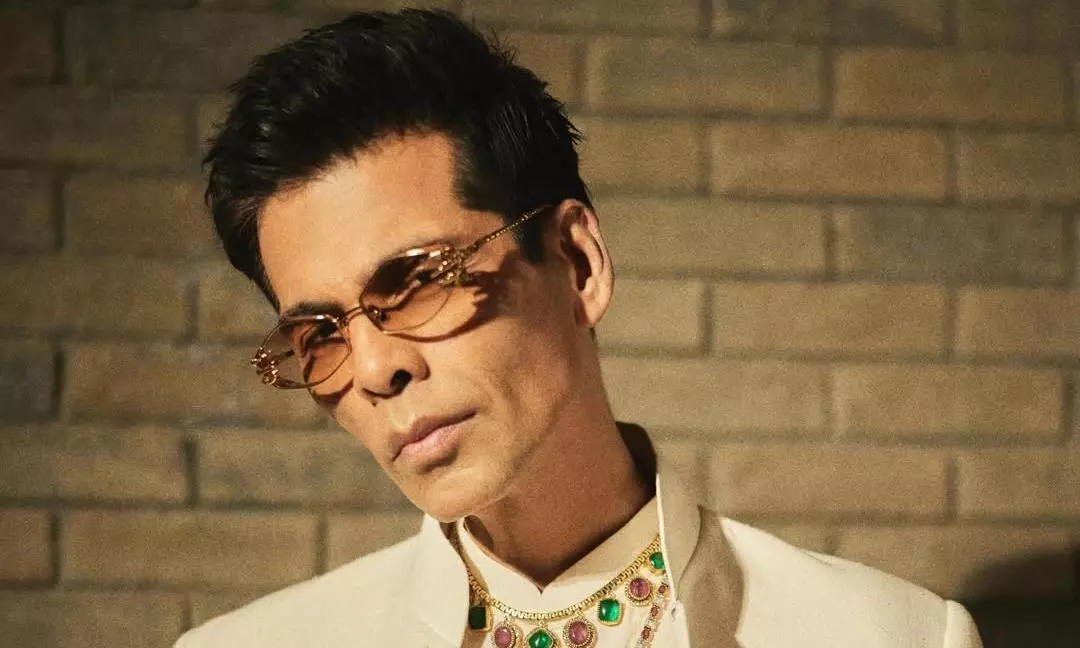
You have seen their outfits, brand deals, vacations, skincare routines, break-ups, catfights and cars— all in one scroll. From actors, singers, producers, film directors, songwriters, and TV personalities, everybody knows fame is a double-edged sword. FAME, easy to grasp, hard to relinquish. And for many celebrities, it struggles to remain relevant in the spotlight. Audiences are now getting tired of the same name, face, and look.
The Death of Distance
Earlier, celebrities were occasionally spotted on film sets, in recording studios, on magazine covers, at candid family dinners at restaurants, and perhaps even in your local salon. These days, every celebrity sighting looks like a paparazzi stunt to gain attention. Instagram stories, reels, paparazzi clips, brand collaborations, and podcasts—celebrities do many things to stay relevant.
Meenkashi Chopra, a psychologist, explains, “Earlier, distance created aspiration. Today, constant visibility removes that psychological gap, and without that gap, admiration often turns into indifference.”
Celebrity presence has shifted dramatically from rare to a daily affair, with online activity becoming almost constant. If it’s not a film advertisement, then it could be an album roll-out, a photo dump of a stay in a lavish hotel in Paris. The gap between privacy and publicity has been blurred.
Stars Within Reach
Earlier, stars and audiences had a large distance, which made them look impossible to reach, but possible to experience. Now, you find celebrities everywhere. It doesn’t matter if they wear designer clothes, carry designer bags, or paint their cars fluorescent green— it all looks staged. “I feel like I already know everything about them because they’re constantly online. There’s no mystery left, and that’s what makes it less exciting. It just becomes something I scroll past,” adds Sean Fernandes, an engineer.
Always On, Always Selling
It could be building a beauty empire like Kylie Jenner and then releasing constant drops. This creates a hyper-curated life that draws the audience’s attention to their glow. Karan Johar, Kim Kardashian, and Kris Jenner have been the faces of talk shows, fashion appearances, and social media commentaries. It’s a constant pattern: celebrities create brands, publish content, promote it, and the cycle repeats. Chopra says, “When every post feels strategic or monetised, audiences shift from emotional engagement to critical observation—they stop connecting and start evaluating.”
Take Justin Bieber’s simple Coachella performance compared to Lady Gaga’s extravagant Super Bowl show. Or consider Deepika Padukone, Priyanka Chopra Jonas, Kareena Kapoor Khan, and Alia Bhatt’s skincare routines contrasted with their Instagram posts. Then there’s Kriti documenting every intimate moment of her sister’s wedding. And let’s not forget Cardi B’s lavish gifts for her children or Salman Khan’s late-night tirade against the media. Ananya Pandey and Janhvi Kapoor’s quest for the perfect lazy weekend outfit photo is another example. “Celebrities are public figures. The older generation of superstars knew how to monetise their stardom and face value. But today’s generation of stars and their PR team often go overboard. It’s overkill,” says a leading motivational speaker and Bollywood spin-doctor from Mumbai.
More often than not, audiences feel that they are being marketed to instead of being entertained. The modern celebrity is part performer, part product—and the audience can tell the difference. “There was a time when seeing a celebrity felt rare and special. Now, with constant visibility, that sense of intrigue is gone. It feels more like marketing than magic,” adds Khushi Dharji, a chartered accountant.
Fatigue Is Real
Audiences feel overwhelmed, bored, exhausted, annoyed, and sometimes indifferent.
This is because the more you document your life online, the less mystery remains for the average person, and everything becomes easy access. While Instagram is a melting pot of diversity and influence, sharing your daily life doesn’t make you ‘active’ but rather overexposed. Chopra explains, “Human attention is wired for novelty. When we repeatedly see the same faces and narratives, the brain stops processing them as exciting and begins to treat them as background noise.”
Boredom often leads audiences to mute stories, skip accounts, unfollow actors, or block artists. There’s simply nothing new to see. While more exposure increases interest, it also makes content feel repetitive over time. Familiarity doesn’t always foster affection – sometimes it breeds fatigue.
(Un)limited Appeal
Limited access made celebrities aspirational; now with constant access, it feels normalised, and that’s why they are just like us. They feel like influencers more than celebrities. The hierarchy gets blurred when everyone is visible, and no one feels larger than life.
Their presence online is a performance curated to fit into strategised algorithmic categories. The impact is one to be thought of; people know then content no longer feels real but staged. The authenticity of what they post and the brands they support sometimes feels questionable. Chopra says, “The algorithm rewards consistency and frequency, not depth. This pressures celebrities to remain constantly visible, even at the cost of authenticity.”
The Algorithm Trap
Audiences are no longer just watching—they’re decoding, and celebrities are afraid to step back because visibility drives attention, validation, brand deals, and engagement. The paradox is that staying visible means staying relevant. Audiences are now shifting to low-key celebrities, respect their privacy, and aren’t always online. Chopra concludes, “In today’s attention economy, restraint carries more psychological value than constant presence.”
The average person admires celebrities who only show up for work and singers who stay offline incessantly. Mystery is more aspirational these days, and in an age of oversharing, silence now feels more powerful and in control. Exclusivity isn’t about luxury anymore. It’s about absence, and the future of celebrity isn’t about being seen everywhere. It’s about knowing when not to be seen at all. Because in the economy of attention, less might finally mean more.
Regular Faces
Kylie Jenner, Karan Johar, Janhvi Kapoor, Alia Bhatt, Ranveer Singh, Deepika Padukone, Priyanka Chopra Jonas, Kareena Kapoor Khan, Salman Khan, Shah Rukh Khan, Akshay Kumar, Ananya Pandey, Kartik Aryan, Kriti Sanon, Kim Kardashian, Kris Jenner, Justin Bieber, Hailey Bieber, Lady Gaga, Nicki Minaj, Cardi B are common names that pop up more than once in a month.