Face Time With Slap & Glow Fad

Slap facials are the latest beauty trends, many claim it boosts blood flow, tightens skin and chisels the jawline, however experts have a word of caution
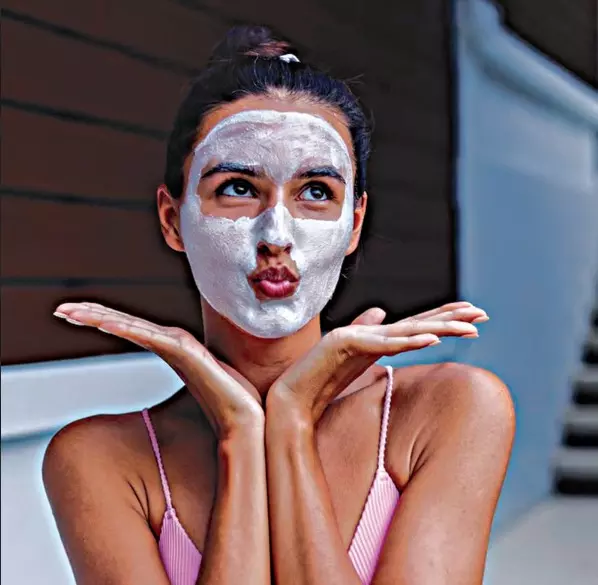
Beauty trends fly in and out of social media at the snap of the finger – jade rollers, boba facials, snail mucus cream, and lube et al. And now, Slap facial is the new hot chick in town, and it does exactly what it says… therapists lightly slapping your face in the name of beauty. They claim this oddball technique to boost blood flow, tighten skin, and give your jawline a chiselled look. Social media is loving it.
Blood, Blush & Bruises
Slap facials might be the next thing close to getting hit by our mothers, but this time, it comes from salons and not our homes. From Seoul to Soh, whispers of the trend have reached India’s beauty buffs. The idea is simple: controlled, rhythmic tapping or slapping supposedly increases circulation, stimulates collagen production, and brings an instant glow. "When you lightly slap the skin, it increases blood flow temporarily and gives you that short-term glow," says Dr. Shareefa Chause, Dermatologist at Dr Shareefa Skincare Clinic, Mumbai. "But if done too often or too hard, it might cause irritation or damage tiny blood vessels under the skin. So, it is better to avoid doing so."
While the concept may appeal to skincare minimalists looking for quick fixes, experts are cautious. Dr. K.R. Sharmatha, Senior Consultant Dermatologist at SIMS Hospitals, Chennai, explains, “Mild slapping may cause a short burst of blood flow, but this is not clinically beneficial. Repeated slapping, even if marketed as gentle, can damage superficial capillaries — especially in Indian skin tones that are more prone to bruising and pigmentation.”
Meanwhile, influencers have been treating this like the new holy grail of DIY glow-ups, with many claiming it adds instant luminosity before makeup. “I saw this on a Korean facial video and decided to try it at home—big mistake,” shares media professional Avani Shah (26) from Mumbai. “My cheeks felt sore and blotchy the next day, and I had to ice them down. Never again!”
Collagen or Confusion
Some fans claim slap facials boost collagen and firm skin over time, but what happens below the surface is questionable. “There is no strong scientific evidence to prove that light slapping stimulates collagen production or significantly improves skin elasticity,” says Dr. Chause. “Even if it does something, the effect is superficial and short-lived.”
Dr. Sharmatha agrees, adding that “any perceived firmness is likely temporary and superficial. We rely on evidence-based therapies like retinoids, peptides, and in-clinic treatments like ultrasound therapy to stimulate collagen in a meaningful, sustainable way.”
Slap, Rash, Repeat
Slapping does have its perks and cons as well. "Individuals who have acne-prone or sensitive skin, or conditions like rosacea, should stay away from slap facials," warns Dr. Chause. "It can do more harm than good and may worsen your condition."
In humid parts of the state, where the skin health is already compromised due to sweat and pollution, harsh treatments like this could damage the skin barriers and increase inflammation.
Many fans post sharper cheekbones and a snatched jawline on social media, but dermats warn that this could be misleading and harmful. “The tightening and jawline definition from slap facials can also lead to swelling,” says Dr. Chause. “There’s no proven long-term benefit for skin firmness or contour. Always consult your doctor before going for any procedures.”
Dr. Sharmatha says that there is no long-term structural benefit. “Such results should not be confused with medically guided treatments like skin tightening lasers or ultrasound-based therapy.”
Frequent slap-facial users may also experience broken capillaries around the cheekbones and under the eyes—areas already prone to thinning and pigmentation.
Face Time
The rise of slap facials is oddly timed, considering today’s skincare ethos leans toward “skin kindness.” There is no valid relation between skin tightening and slap facials. Dr. Sharmatha adds bluntly, “Our dermatology group promotes skin respect, not skin abuse. Slap facials might be trending on social media, but they don’t align with evidence-based, sustainable skincare.”
Dr. Chause agrees. “It is better to consult an expert and design a routine that benefits you instead of chasing trends. Speak to a dermatologist, clear your doubts, and make informed decisions.”
So while it might make for a quirky Reels moment, slap facials are not the answer to healthy, firm skin. Trends are fun, but skin isn’t a lab rat experiment. Slap facials may offer a temporary glow and Instagram-worthy contour, but the science doesn’t back it, and the risks outweigh the rewards. For those serious about skin health, the answer lies in consistency, expert guidance, and products with proven efficacy.
Let’s face it—sometimes the best thing you can do for your face is not slap it.
