Drop the Shame, Lift the Floor Game

Pelvic floor education is missing from Women's Health conversations, experts talk about awareness and timely care
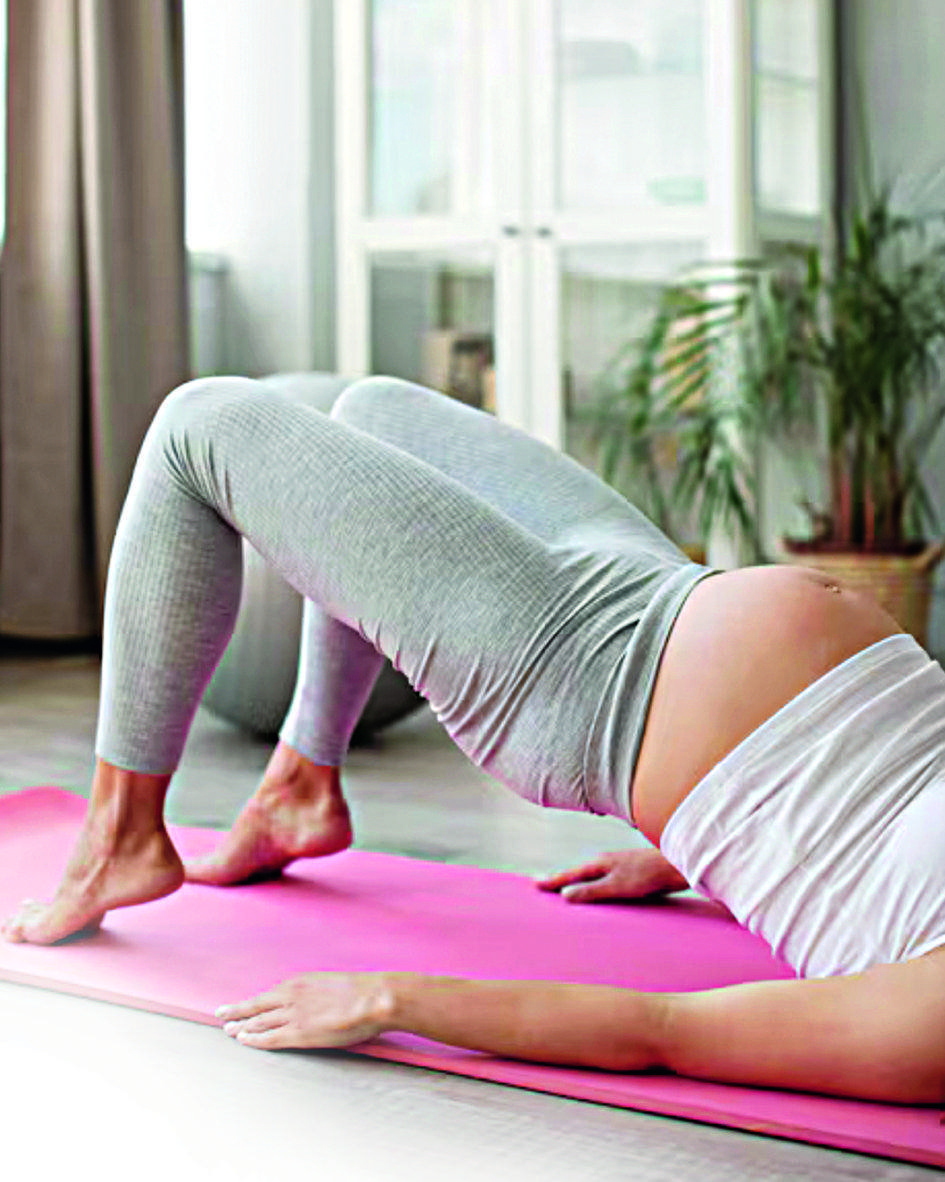
Women spend years learning about menstruation, fertility, pregnancy, childbirth, and menopause. Yet one of the most important muscle groups in the female body often goes unmentioned. The pelvic floor, a group of
muscles that supports the bladder, uterus, and bowel while playing a vital role in continence, sexual function, and core stability, remains one of the least understood aspects of women's health.
For many women, the first time they hear the words “pelvic floor” is after giving birth or when they begin experiencing symptoms such as urine leakage, pelvic pain, or a sensation of heaviness. By then, experts say, the opportunity for early awareness and prevention may already have been missed.
Healthcare professionals believe this knowledge gap has left generations of women accepting treatable conditions as an inevitable part of life, rather than seeking timely care.
The Silent Gap
Despite increasing conversations around reproductive and menstrual health, pelvic floor health is still rarely included in school curricula and routine health check-ups. Unlike heart health or bone health, it often remains hidden behind embarrassment, cultural taboos, and misconceptions.
Because the pelvic floor cannot be seen and its functions are rarely discussed openly, many women fail to recognize when something is wrong. Symptoms are frequently dismissed as ‘just part of being a mother,’ ‘getting older,’ or ‘going through menopause.’
Delayed diagnosis can allow manageable problems to progress, affecting physical comfort, confidence, relationships, and overall quality of life.
Common Doesn't Mean Normal
One of the biggest misconceptions is the belief that bladder leaks or pelvic discomfort are simply unavoidable milestones of womanhood. Dr. Taruna Dua, Senior Consultant and Unit Head), Obstetrics & Gynaecology at Aakash Healthcare, says many patients assume symptoms such as urinary leakage, pelvic heaviness, pain during intercourse, constipation, or frequent urgency are natural consequences of childbirth, ageing, or menopause. “These symptoms are common, but they should never be considered normal or ignored,” she says. “Women should seek medical advice if they experience urine leakage while coughing or exercising, a feeling of pressure or heaviness in the pelvis, difficulty controlling the
bowel or bladder, persistent pelvic or lower-back pain, or discomfort during intimacy.” Early evaluation can help identify the problem and allow timely treatment through pelvic floor physiotherapy, lifestyle changes, medication, or other appropriate medical interventions.
More Than Just Weak Muscles
Another widespread myth is that every pelvic floor problem can be solved by simply doing Kegel exercises. This one-size-fits-all approach can sometimes do more harm than good. Dr. Rishma Dhillon Pai, Consultant Gynaecologist at Lilavati, Hinduja, and HN Reliance Hospitals, Mumbai, and President-Elect of the International Federation of Fertility Societies, says, “Another misconception is that pelvic floor problems are always caused by weak muscles and that doing more Kegel exercises is the universal solution. In reality, the pelvic floor can also be overactive or excessively tight and can cause difficulty during intercourse, and the right treatment depends on the underlying cause.”
She adds that symptoms including urinary leakage while coughing, pelvic heaviness, prolapse, bowel control problems, persistent pelvic pain, or discomfort during intimacy should never be dismissed as routine consequences of motherhood or ageing.
Awareness Matters
Doctors argue that pelvic floor education should not begin only after pregnancy or when problems develop. It should start much earlier. Dr. Smiti Jain, Consultant in Obstetrics and Gynaecology, says the pelvic floor remains overlooked because it is considered a “hidden” part of the body. “Most women only hear about it after pregnancy or when they develop symptoms,” she explains. “Because of this lack of awareness, many ignore early warning signs and delay seeking medical help. Early education can help women recognize problems sooner, adopt healthy habits, and prevent complications that may otherwise affect their quality of life for years.”
Break The Silence
Pelvic floor disorders affect women across different stages of life, from young athletes and new mothers to women approaching menopause and beyond. Yet conversations about them remain overshadowed by discomfort, stigma, or lack of awareness.
Experts say simple conversations during adolescence, routine health visits, pregnancy care, and menopause counselling could empower women to recognise symptoms earlier and seek treatment without shame. For many, the pelvic floor remains the muscle they were never taught about. Doctors hope that changing this narrative will not only improve awareness but also help millions of women avoid years of unnecessary discomfort, delayed diagnosis, and preventable health complications.