Don’t believe celeb driven skincare advice

Priyanka Chopra recently wowed fans with a glowing selfie, captioned: “Skin is skinning even after being on a plane for 24 hours.” The actor credited the glow to an LED mask she used during the long flight. The post raises an important question — should skincare treatments endorsed by celebrities be taken at face value? Experts say ‘No.’
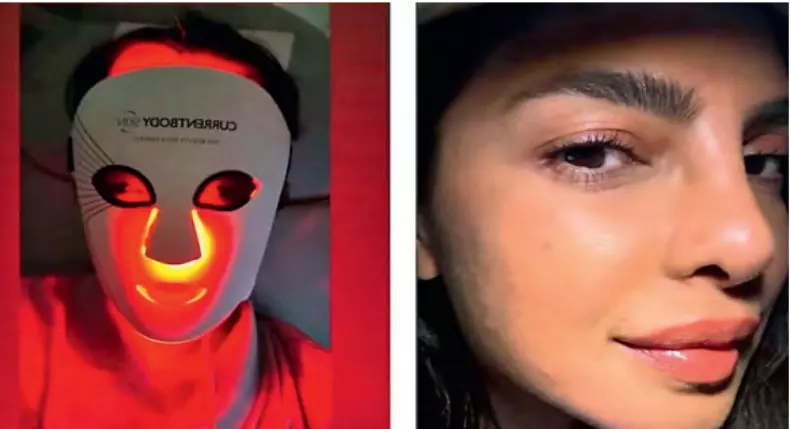
In an age where stars and influencers regularly showcase beauty products and treatments, dermatologists warn against blindly following their lead. Many such trends, they say, may not be suited to every skin type —or even medically recommended.
Dr Pallavi Gaddam Reddy, consultant dermatology at Apollo Hospitals, said: “As an expert, I believe it’s important to approach the popularity of skincare innovations-such as LED masks-with both scientific scrutiny and public empathy. When used appropriately and under professional guidance, LED-based light therapy does have clinical feasibility. In dermatology, red and blue light therapies have shown promise in managing acne, stimulating collagen, and improving overall skin tone.”
“LED light therapy can help with certain skin problems like acne or redness, but only when used the right way. Red light can reduce inflammation and support collagen, and blue light can kill acne-causing bacteria. But these are not magic solutions — they take time to show results,” says Dr Divya Siddavaram, senior dermatologist at Care Hospitals.
Read the fine print
Despite coming with some advantages, these treatments can cause more harm than good. “When these technologies enter the consumer market as ‘at-home gadgets’ or ‘beauty fads’, the concern arises not from the technology itself, but from its unregulated usage. Several doctors have expressed valid reservations about unsupervised and excessive use of LED masks, especially on flights or during long, repeated exposures. The fatalities here are not literal, but relate to potential skin barrier disruption, photodermatitis, and in rare cases, worsening pigmentation or inflammation due to overexposure,” warns Dr Pallavi.
“A lot of people try these things because they see celebrities using them. When a famous person posts about a skincare tool or product, it gets a lot of attention. But just because it works for them doesn’t mean it’s right for everyone. Some of these trends might be safe, but others can be risky if you don’t check with a doctor or skin expert,” says Dr Divya. Further, using cheap or unapproved devices at home can hurt your skin or eyes, adds the doctor.
Harmful viral skincare trends
“Using lemon juice on your face, doing chemical peels at home, or trying microneedling without training can cause burns, rashes, or dark spots,” says Dr Divya.
Dr Pallavi adds a few more to the list:
DIY sunscreen: Homemade sunscreens often lack standardized SPF testing, rendering them ineffective against UV radiation and increasing the risk of photodamage and skin cancer.
Self-injection of fillers: Unsupervised administration of dermal fillers can lead to complications such as vascular occlusion, infection, and tissue necrosis.
‘Sephora Kids’: The trend of ‘Sephora Kids’ involves children using anti-aging products containing retinoids and alpha hydroxy acids, which can disrupt the skin barrier and cause irritation.
Overuse of exfoliants: Excessive exfoliation, especially with physical scrubs or high-concentration exfoliants can lead to microtears, inflammation, and increased sensitivity.
Box: What is halo effect?
“In India, celebrity endorsements significantly influence consumer behavior, particularly in the beauty and skincare sectors. The psychological mechanism behind this phenomenon is rooted in the ‘halo effect’, where the perceived positive attributes of a celebrity are transferred to the products they endorse. This effect can lead consumers to associate the product with the celebrity’s success, beauty, or lifestyle, often without critically evaluating the product's efficacy or
suitability for their skin type. In the context of skincare, this can result in individuals adopting products or routines that may not be appropriate for their specific skin needs, potentially leading to adverse effects,” says Dr Pallavi.
