Doctor’s Desk 20 Years Later, She Came Back
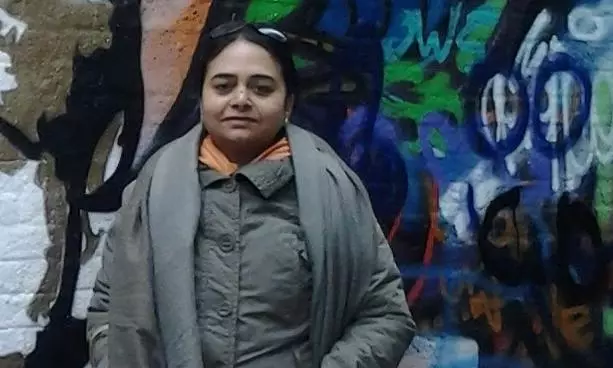
Dr Alok Ranjan once fought to save her life. Two decades later, she walked into his room with her 17-year-old child
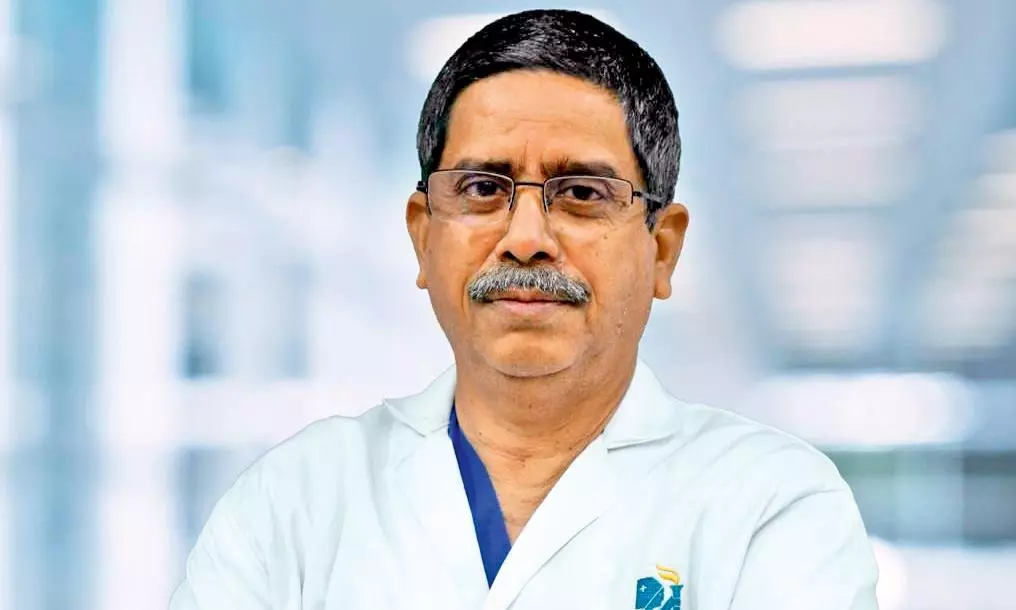
Some patients leave the hospital, but never leave a doctor’s memory. For Dr Alok Ranjan, neurosurgeon, Apollo Hospitals, Khadija is one of them. She was 35 when he first met her, a tall, hefty woman from Zanzibar suffering from severe lower-back and right-leg pain. She had spondylolisthesis, where one vertebra slips over another, along with a slipped disc. She needed disc surgery and fixation of the spine. Her routine tests were normal and there was no obvious reason to expect trouble.
The operation went well. Then, as Khadija was being transferred from the operating table to the trolley, everything suddenly changed.
A SUDDEN COLLAPSE
Her blood pressure crashed and oxygen levels fell rapidly. An emergency echocardiogram revealed the cause: a pulmonary embolism—a blood clot had travelled to her lungs.The frightening part? There had been no warning. No calf pain, swelling or breathlessness. But she was overweight and had taken a long international flight days earlier—risk factors that can allow a clot to form silently and dislodge after surgery.
THE FIGHT FOR HER LIFE
There was no time to lose. Khadija was rushed to the cath lab, where doctors removed the clot through a catheter and started powerful blood thinners. But after major spinal surgery, this triggered severe bleeding. Her haemoglobin crashed and she needed more than 70 units of blood products over seven days. Her blood pressure was barely recordable and her kidneys nearly failed. Yet she slowly fought back—opening her eyes by Day 5 and leaving hospital about a week later.
A LESSON THAT STAYED
The hospital also eased the family’s financial burden, charging only for essential medicines and supplies. For Dr Ranjan, the case was a lasting lesson in recognising silent clots and surgical risk factors.
“We often look for calf pain or swelling,” Dr Ranjan says, “but a clot may give no warning.”
THEN, 20 YEARS LATER…
About three years ago, Dr Ranjan was in Tanzania when Khadija walked into his room. But this time, there was no emergency. She was standing there, walking and looking completely well.
Beside her was her 17-year-old child.
Khadija did not remember the first five days of her illness, but otherwise she had recovered completely. For Dr Ranjan, seeing her again was deeply moving. The patient he had once fought desperately to save had returned two decades later as a healthy mother.
Box: Khadija’s story shows how silently pulmonary embolism can strike. Long flights, dehydration, obesity, pregnancy, surgery and immobility can raise the risk. No pain or breathlessness doesn’t always mean no danger.
