Dive In and Start Sea-ing the World
Once a form of escape, scuba diving has evolved quietly, globally into a cultural language—one that speaks of discipline, access, and lives shaped far beyond the shoreline
There are no medals in scuba diving. No finish lines. No applause. What exists instead are logged depths, controlled breath, and images from far below the surface—fragments from the Maldives, the Red Sea, Egypt. Globally, luxury travel is turning inward, favouring destinations defined by what lies beneath rather than what rises above. In Hyderabad’s inner circles, diving is no longer an experience. It is becoming identity.
Grace, Rewritten In Blue
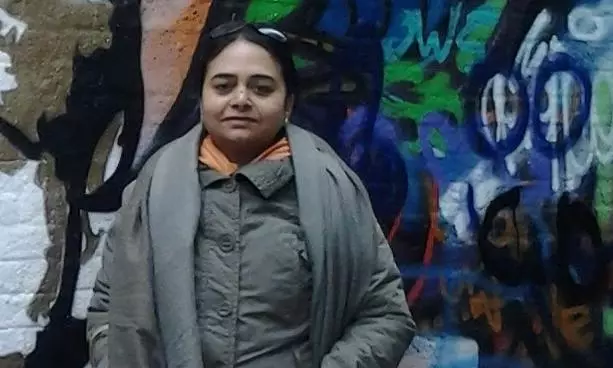
Monika Agarwal, Director – Jaydurga Decor Pvt. Ltd., Past Chairperson, FICCI Ladies Organisation
For Monika Agarwal, the ocean was never a detour—it was a continuation. Nature, she says, has always been her anchor, a way of staying grounded while still marvelling at the vastness of the universe. After years of trekking and standing atop summits like Kilimanjaro and Elbrus, it was the deep sea that called next—not for conquest, but for communion. “Nature keeps me grounded—it fills me with gratitude and a sense of wonder. After climbing summits, I felt the need to experience the deep sea, almost as a natural progression. Diving in the Maldives on a liveaboard with my family was intense, especially as a first-timer, but what stayed with me wasn’t the challenge. At twenty metres below the surface, the stillness becomes meditative. Even swimming close to a shark didn’t feel thrilling—it felt humbling. Scuba diving isn’t a spectacle for me. It’s reverence.”
Depth Over Display
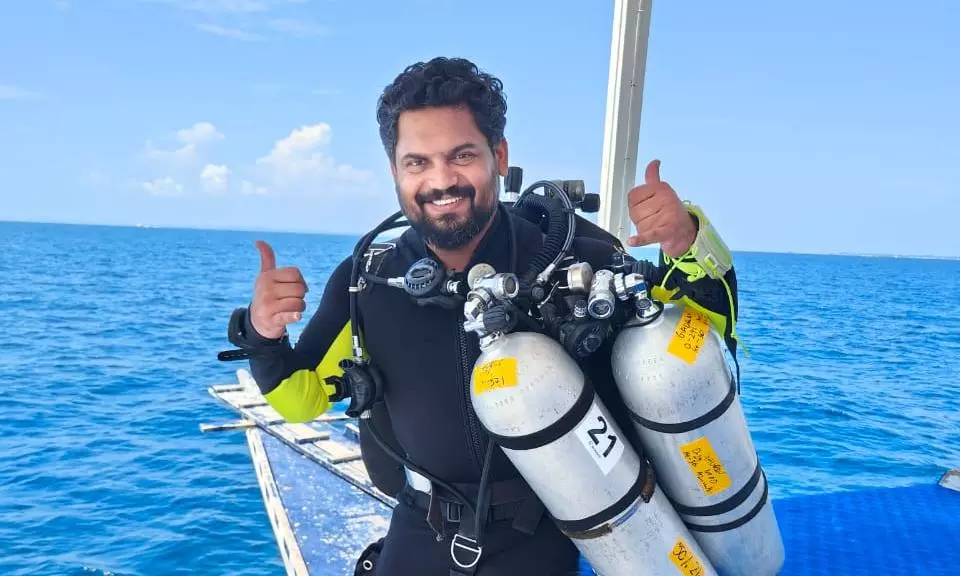
Gaurav Sharma, Open Water Instructor & Trimix Technical Diver
For Gaurav, scuba diving is not an indulgence—it is infrastructure. Something around which life quietly reorganises itself. Drawn instinctively to water, he found that once diving entered his world, everything else adjusted its pace. Travel choices, priorities, and even ambition shifted.
“Once scuba came into my life, it changed how I travel and how I live. Abroad, diving is recognised as a proper adventure sport, but in India, it’s still seen as an activity. That difference matters—it affects awareness, access, and perception, especially in cities like Hyderabad, where cost and training make it feel elite. But for me, diving has never been about luxury. I’m fine with the basics as long as the underwater world excites me. Certification isn’t status—it’s access. Seventy per cent of the planet is water, and being certified gives you real entry into it.”
Learning to Release
Sravya Katta, Advocate, diver
A lifelong swimmer, Sravya Katta thought she understood water—until scuba diving asked her to surrender control rather than assert it. The lesson was immediate, physical, and quietly profound. “The moment my entire body was immersed in water, I felt like I had entered a different world. Scuba diving teaches you that your lungs are like a balloon—the more air you release, the deeper you go. Calmness is everything underwater. Even though I’ve been a swimmer all my life, diving taught me vulnerability. That calmness doesn’t stay in the ocean; it follows you back to land. It changes how you live. I choose islands over mainland, early mornings over parties, and health over excess—so I can dive longer and better.”
A Sense Of Responsibility
Mohammed Ashar Raoof, IInd Year Law Student at SUCL, and diver
For Mohammed Ashar Raoof, scuba diving arrived accidentally, almost casually, during a Discover Scuba Dive in Havelock Island. But what unfolded beneath the surface demanded seriousness. The ocean, he learned quickly, does not reward recklessness.
“Scuba diving was an accidental discovery for me, but one dive was enough to change how I saw it. Underwater, you’re not just responsible for yourself—you’re responsible for your diving buddy too. That awareness stays with you. It forces you to slow down, to be present, to think beyond yourself. For me, the satisfaction comes from within. There’s something deeply fulfilling about being one with marine life, moving quietly and respectfully. It teaches humility in a way few things do.”
When Fear Softens
Smidha, Advanced Open Water Diver
Smidha’s relationship with water began in resistance. She wasn’t drawn to the ocean—she feared it. Signing up for an open water course wasn’t about adventure; it was about confrontation. What she didn’t expect was how gently the water would meet her halfway.
“I had never scuba dived before I signed up, and I was actually aquaphobic. The first dives were full of fear, but by the third dive, something shifted. Fear slowly gave way to calm, then curiosity, and eventually a sense of belonging underwater that surprised me. Without planning it, scuba diving became central to my life. It’s more than a hobby now—it feels like part of who I am. I didn’t discover scuba diving on a vacation. I discovered myself while training for it.”
Dive Into Pure Bliss
Jyothi Kaza, diver
For Jyoti, scuba diving wasn’t a trend but a quiet pull. Nearly a decade into diving, identity crystallised in the Andamans, on Neil Island, when a Dugong swam close enough to still time—then returned again. The calm of that encounter lingered.
“I’ve been diving for almost ten years, but everything shifted in that moment. Floating in such stillness made me want to go deeper—skill-wise and emotionally. When I chose to train seriously, I wanted the best learning experience in India rather than spending extensively abroad. Language matters when you’re investing in premium training and working through real fears, and I wanted instructors who truly listened. I prioritised clear water, simple stays, and fewer crowds so the learning felt focused. Scuba’s appeal has grown, especially among Hyderabad’s luxury set, where travel is about discovery, not repetition. For me, it’s always been more about the experience than the story. Diving is deeply calming and meditative—it demands complete presence. It begins as therapy and quietly becomes a way of life.”
New Measure Of Prestige
In a city fluent in visibility, scuba diving speaks a quieter dialect. It resists performance, favouring intention instead. What makes it powerful is not how loudly it announces itself, but how deeply it transforms those who practise it. Today, the most compelling form of prestige may be invisible from the shore—measured not in altitude or applause, but in depth reached, breath mastered, and worlds explored beneath the surface.
