Desi VFX, The New Super Hero Of Indian Cinema

Earlier filmmakers relied on Hollywood studios, but today’s wave is powered by Indian talent — skilled, affordable, and increasingly AI-savvy. Local VFX artists are delivering world-class magic from Hyderabad, Chennai and Mumbai. Directors are betting big on them
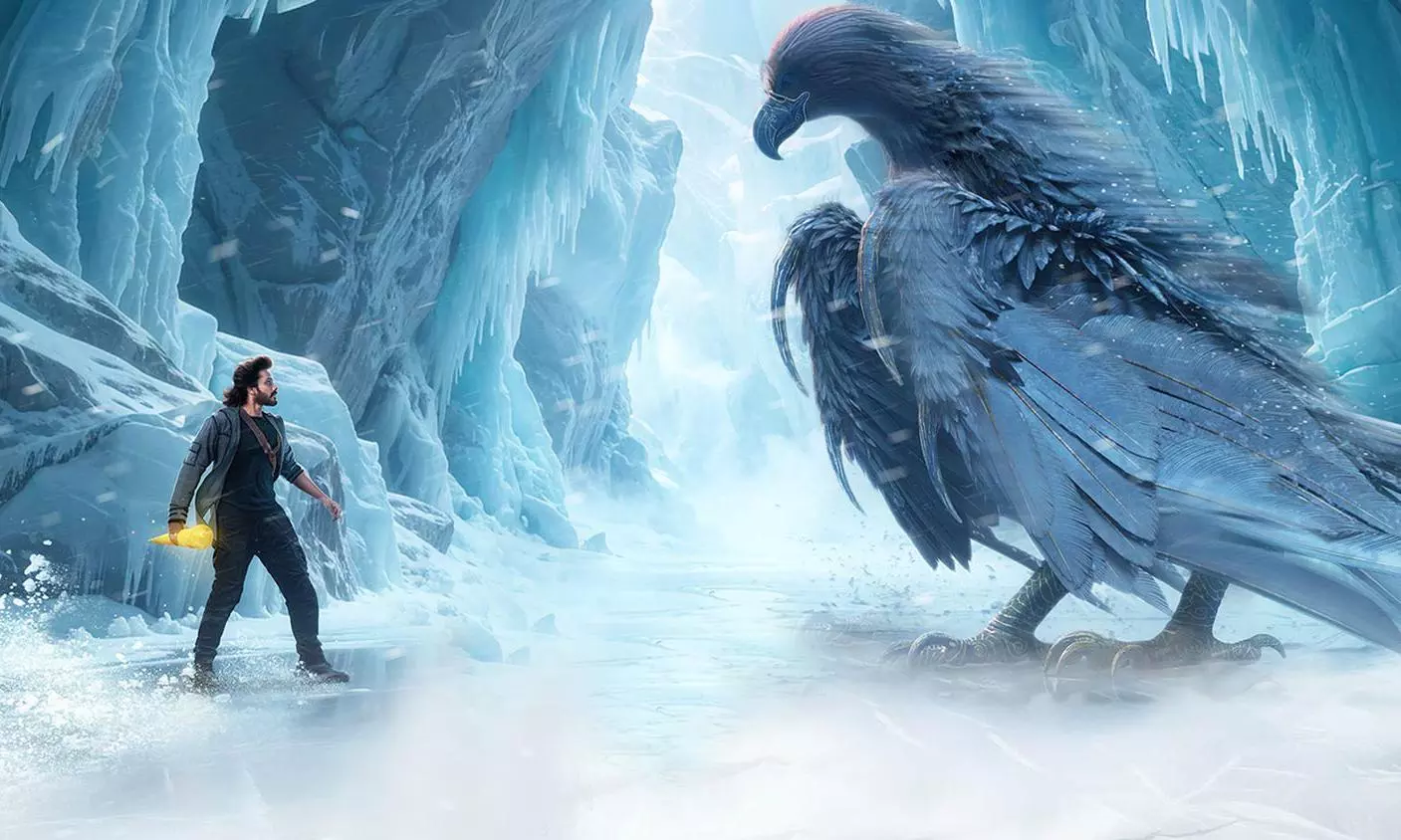
Once upon a time, Indian filmmakers looked to Hollywood for visual spectacle. Today, the magic is being crafted at home. Director Hemanth Madhukar believes that indigenous VFX artists are reshaping the way Indian audiences experience cinema.
“Youngsters in Hyderabad, alongside teams in Mumbai and Chennai, are working at remarkable speed and quality, completing projects within strict timelines,” says Hemanth, who is gearing up to make a socio-fantasy with a leading production house. Films like Kotha Lokah, Mirai, and Vayuputra, he points out, are proof that homegrown talent can deliver world-class visuals.
The economics are staggering: “VFX shots can range from `2,000 to `1 lakh per minute, depending on the complexity and the number of artists,” he explains. While some films need 100 artists, big-budget spectacles demand 400 or more. “But directors and producers must give them time and space to deliver breathtaking visuals. Mirai is one of the finest VFX-driven films in recent times.”
Hemanth credits producer Shyamprasad Reddy for sowing the seeds of the genre with Ammoru, Anji, and Arundhati in the 1990s. “He paved the way for others to experiment and succeed,” he says.
If earlier filmmakers relied on Hollywood studios, today’s wave is powered by Indian talent — skilled, affordable, and increasingly AI-savvy. “Hollywood artists charge four to five times more and take longer. Our youth are matching their skills while integrating AI into the process,” Hemanth notes.
AI, he says, is the real game-changer: enhancing picture quality, building realistic 3D visuals, and pushing animation forward.
Mahavatar Narasimha showcased life-like characters and sets, opening the door to a new era of Indian animation.
The momentum is already inspiring younger filmmakers. Director Chandoo Mondeti has gone full-throttle into animation with Vayuputra, a Lord Hanuman story. “I have always loved animation, from Marvel to Demon Slayer.”
With Vayuputra, I want to set a new benchmark for Telugu animation cinema,” Chandoo says.
But Hemanth draws a line: animation may grow, but live-action spectacle with superstars will remain king. “Audiences still prefer watching their favourite heroes fight demons and invincible forces. Live-action caters to the star cult, while animation will mostly attract kids and younger fans.” The debacle of Adipurush and the delayed Hari Hara Veera Mallu is a cautionary tale. “If you can’t weave VFX seamlessly into the story, don’t even attempt it,” Hemanth warns. “Otherwise, it’s better to avoid brickbats.”
From mythological spectacles to animated fantasies, Indian cinema’s visual frontier is clearly expanding — and this time, the storytellers are firmly in charge.
