From fashion staple to rebellion show and cultural symbol, jeans have never been more political than ever before
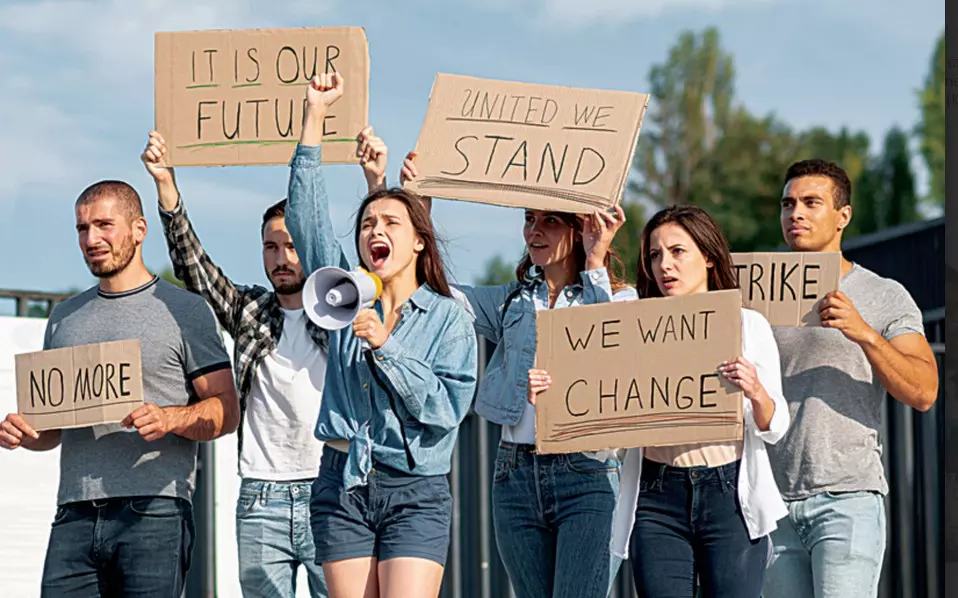
Once upon a time, jeans were the great equalizer — everyone wore them. In the 1950s, denim was cemented as a fashion staple due to its rise in Hollywood. Denim, once associated with manual labour was now being seen as a symbol of rebellion. They stood for rebellion in the 1960s, casual cool in the 1990s, and effortless utility in the 2000s. But today, denim has gone from being a simple fashion choice to a battleground of cultural values. The denim industry, worth over $65 billion globally, has found itself woven tightly into the social and political fabric of our times.
It’s no longer enough for brands to sell a flattering fit or premium fabric. Modern consumers, especially Gen Z and younger millennials, want their jeans to stand for something. Whether it’s body inclusivity, sustainability, feminism, or class consciousness, denim advertising has evolved into a reflection — and sometimes a critique — of society’s shifting priorities.
Value-Based Marketing
For decades, denim brands relied on universal appeal: blue jeans for everyone. But as social media gave consumers more voice and visibility, the marketing playbook changed. Now, campaigns are built around conversations — about gender, race, environment, and identity.
Levi’s, for instance, positions itself as a sustainability champion, pushing messages about recycling and ethical production. Meanwhile, newer labels like Good American or India’s homegrown brand Spykar are embracing inclusive sizing and diverse casting to reflect modern realities.
“Social media has turned brands into political actors,” says Ritika Nair, a Mumbai-based social media analyst. “Every campaign is dissected in real time. Consumers don’t just buy jeans anymore — they buy into a belief system. A post or ad that feels tone-deaf can unravel years of brand loyalty overnight.”
This heightened sensitivity has made denim advertising one of the most politically charged segments in fashion marketing. Campaigns that once focused on glamour now feel more like manifestos.
Ads & Advocacy
The shift became especially clear in the wake of global social justice movements. In 2020, several denim brands launched campaigns highlighting solidarity, diversity, and empowerment. Yet, for every campaign that struck the right chord, another stumbled.
One infamous example involved a luxury denim brand accused of “performative acti-vism” after releasing an empowerment-themed ad while workers in its supply chain alleged unsafe conditions. The backlash was swift and unforgiving — proof that authenticity isn’t optional anymore.
Authenticity, transparency, and accountability are now as critical as style. Brands that simply borrow activist language
without meaningful action risk alienating their audiences. Consumers are quick to notice when the message doesn’t match the manufacturing reality.
Cultural Politics
Even the design of jeans has entered cultural discourse. The skinny jeans vs. baggy jeans debate isn’t just about style — it mirrors generational and ideological divides. Gen Z’s preference for looser fits symbolizes a rejection of restrictive beauty norms that defined millennial fashion.
Similarly, the rise of gender-neutral denim reflects growing recognition of fluid identities in fashion. Indian labels like Bhaane and Nicobar have experimented with unisex cuts and minimal branding, signalling a cultural shift toward inclusivity.
For many young consumers, wearing a particular type of jeans has become an act of quiet protest or alignment — whether against fast fashion, body shaming, or elitist aesthetics.
Political Branding
While cultural alignment can boost sales, it also raises the stakes for brands. Marketing has become a delicate balancing act — too safe, and the brand seems irrelevant; too bold, and it
risks alienating core customers. “Purpose-driven marketing isn’t just about adding a slogan,” notes Ankit Sharma, a Delhi-based marketing strategist and advertising consultant. “It requires a brand to live its values — from who it hires to how it sources materials. Otherwise, the audience will call out the hypocrisy.”
This deeper scrutiny has forced companies to reconsider everything from production ethics to influencer partnerships. Many now invest heavily in corporate social responsibility (CSR) initiatives, ensuring that their messages of empowerment and sustainability are backed by concrete actions.
Local Voices, Global Influence
In India, denim has always carried a complex cultural weight — symbolizing both modernity and rebellion. Over the last decade, the Indian denim market has exploded, blending Western fashion narratives with local values.
Brands now feature models from varied ethnic backgrounds and body types, reflecting India’s diversity. Campaigns highlight self-expression, independence, and sustainability — themes that resonate with a growing urban middle class conscious of both image and ethics.
Social media has amplified this evolution, making every campaign instantly accessible — and reviewable. Indian consumers, once passive recipients of global trends, are now vocal participants in shaping how denim is represented.
Denim Storytelling
As denim brands continue navigating the fine line between marketing and messaging, one thing is clear: neutrality is no longer an option. In an era where every ad doubles as a statement, the politics of jeans are here to stay.
The next big question for brands isn’t what they’re selling, but why. Denim may still be about fit and fabric, but it’s also about identity, ideology, and the stories we choose to wear. Something that had always been a symbol of revolution for the well-being of all. But now it is on and off being used as an object to push forward a ‘white supremacy’ ideology. Something to worry and be wary about!

