Cooling Systems, Rising Concerns

15 April 2026 9:06 PM IST15 April 2026 9:06 PM IST
AC use is up this summer, but so are concerns. Doctors are warning about “AC pneumonia,” alongside rising heat stress and respiratory infections, even among those staying indoors
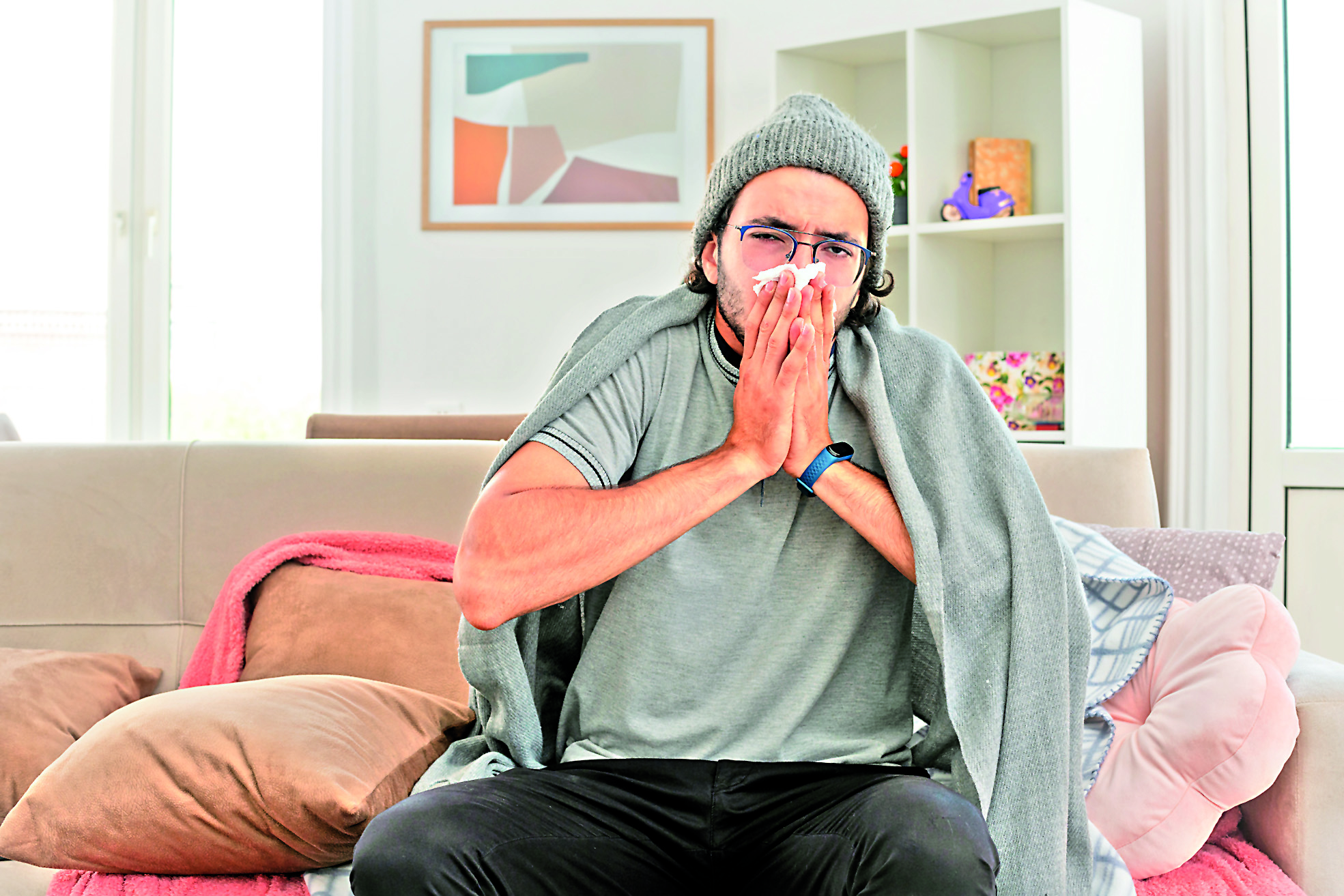
The risk lies in large, centralised systems with stagnant water and poor maintenance. (Representational Image)
This summer, illness isn’t just coming from the sun. Alongside seasonal colds and heat-related fatigue, doctors are flagging a quieter but more serious concern-so-called “AC pneumonia.”
Add to that a rise in walking pneumonia and heat-triggered health issues, and respiratory wellness is emerging as a key challenge, even for those staying indoors.
What is ‘AC pneumonia’ really?
“AC pneumonia” is not caused by cold air, but by bacteria called Legionella pneumophila, explains Dr Viswesvaran Balasubramanian, interventional pulmonologist at Yashoda Hospitals.
“These bacteria thrive in poorly maintained water systems-cooling towers, large central air-conditioning units, plumbing networks, and decorative fountains. When contaminated water turns into fine mist, people can inhale it and develop Legionnaires’ disease, a severe form of pneumonia,” he says.
The condition first came into global focus after a deadly outbreak at a hotel during the American Legion Convention outbreak 1976, where the source was traced back to the building’s cooling system.
Importantly, home and car ACs are safe. The risk lies in large, centralised systems with stagnant water and poor maintenance.
Who is most at risk
Vulnerability depends on age, immunity, and environment.
High-risk groups include:
* People over 50
* Smokers
* Those with lung, heart, kidney disease, diabetes, or cancer
* Immunocompromised individuals
Dr Vijay Mohan S, HOD of Internal Medicine at Kamineni Hospital, adds that heat itself is amplifying health risks. “Heat is making things worse. Temperatures today are far higher than what we saw 20-30 years ago. This is part of a global warming pattern, combined with urbanisation and pollution,” says Dr Vijay Mohan S.
The body normally regulates temperature through the hypothalamus. But extreme heat disrupts this balance, leading to:
* Heat cramps
* Heat syncope (giddiness)
* Heat exhaustion
* Heat stroke (above 40°C, life-threatening)
Even indoor environments are not always safe. “If indoor spaces remain hot or poorly ventilated, people-especially the elderly, children, and pregnant women-can still develop heat-related illness,” explains Dr Vijay Mohan.
* Symptoms to watch for Symptoms typically appear 2-10 days after exposure and can escalate quickly:
* High fever and chills
* Persistent cough and breathlessness
* Muscle aches and headaches
* Sometimes diarrhoea or confusion
There is also a milder version called Pontiac fever, which feels like a flu and resolves on its own.
How it spreads and how it doesn’t Legionella spreads through contaminated aerosols, not human contact, says Dr Viswesvaran Balasubramanian.
* Breathing in mist from cooling systems, showers, or spa jets
* Rarely, inhaling contaminated drinking water into the lungs
“It almost never spreads person to person,” says Dr Balasubramanian. “You cannot catch it from a sick roommate.”
The overlap: heat + infection
The danger this summer is the overlap of risks:
* Heat weakens the body
* Dehydration reduces immunity
* Poor indoor systems increase bacterial exposure
Doctors are also seeing early symptoms being ignored-mild headaches, fatigue, or flu-like signs, which can delay diagnosis of serious conditions like Legionella pneumonia.
Treatment and recovery
Legionnaires’ disease is treatable with antibiotics, including fluoroquinolones and macrolides.
However, timing is critical:
* Early diagnosis means high recovery
* Late-stage (respiratory failure), higher mortality
Death rates can reach 25% in high-risk patients, making awareness crucial.
* Prevention: what actually works At a systems level
* Regular cleaning of cooling towers and ducts
* Preventing stagnant water and biofilm
* Maintaining disinfectant levels (like chlorine)
* Water safety protocols in hospitals, hotels, offices
* For individuals
* Stay hydrated (2.5-3 litres/day if medically safe)
* Avoid outdoor exertion during peak heat
* Be cautious with outside food and contaminated ice
* Seek medical help if flu-like symptoms worsen into breathing issues
( Source : Deccan Chronicle )

Next Story