Hair experts explain the reasons why your hairbrush matters a lot in your daily hair care routine
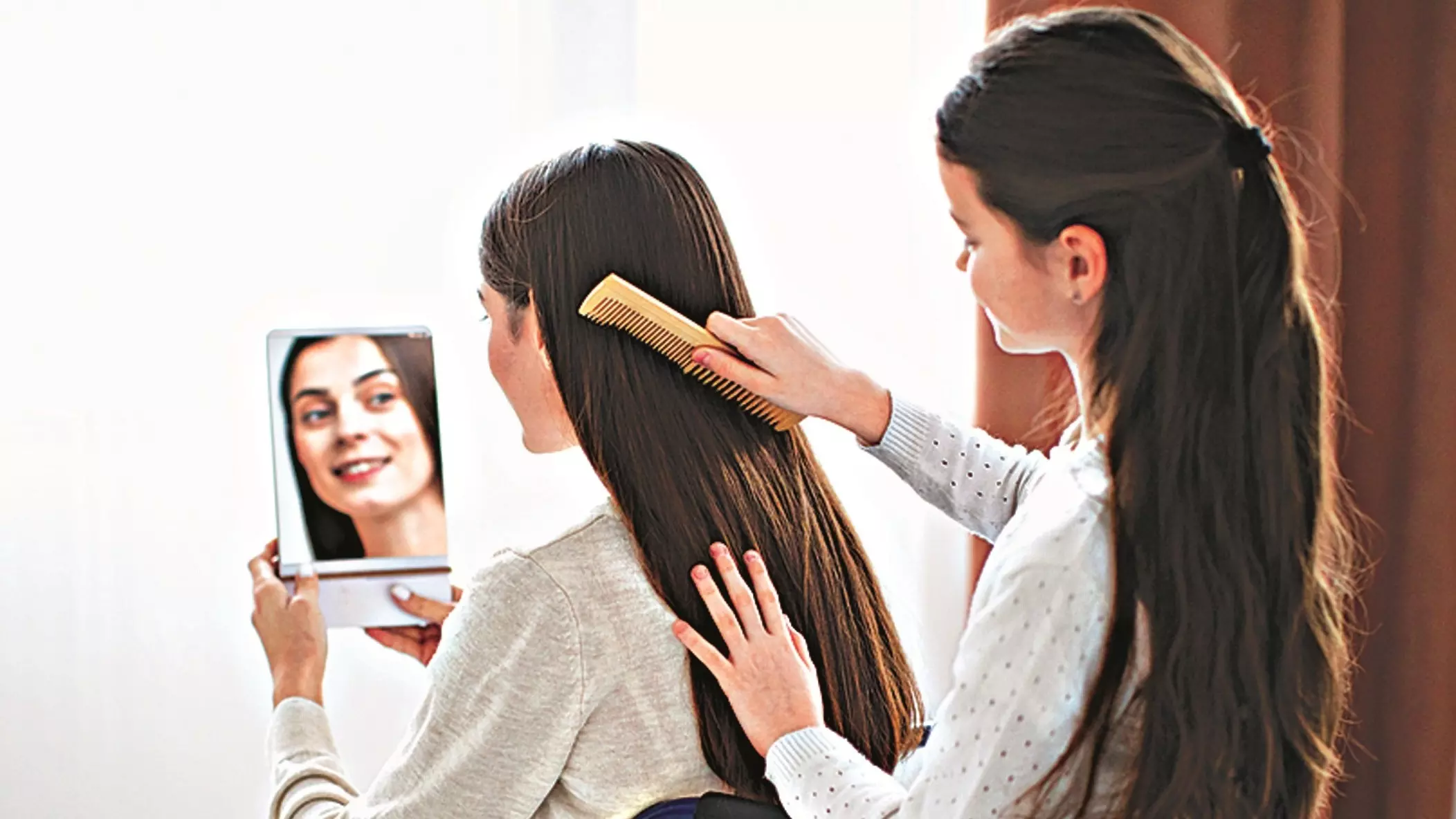
People spend hundreds, and sometimes thousands, of rupees on shampoos, conditioners, serums, oils and hair masks in the pursuit of healthier, shinier hair. Yet one
of the most frequently used tools in the routine remains surprisingly overlooked: the humble hairbrush.
Beauty marketing tends to focus heavily on what consumers should put on their hair, from strengthening treatments to anti-frizz serums. But hair professionals and dermatologists say equal attention should be given to what people use to handle their hair every day. The wrong brush, combined with aggressive brushing, can contribute to unnecessary pulling, breakage, frizz and irritation.
Hair This Carefully
“Haircare is not only about the products you apply. Mechanical stress matters, too,” says dermatologist Dr. Shilpi Khatri, who has discussed the increased vulnerability of wet hair to stretching and breakage. The way hair is brushed, particularly when it is wet, can therefore play an important role in how much stress the strands experience.
One brush does not suit every hair type. The idea that a single brush can work equally well for everyone is increasingly being questioned by hair professionals. Fine, straight hair, thick hair, waves, curls and tightly coiled textures all respond differently to brushing and detangling.
A densely packed brush may work well for smoothing certain hair types but create excessive resistance when pulled through thick or heavily tangled hair. A wide-tooth comb or flexible detangling brush may be better suited to situations where minimizing tension is the priority.
“Your brush should work with the structure of your hair, rather than forcing your hair to adapt to the brush,” says Akbar Shaikh (professional hairdresser). “If you are constantly pulling through knots, you can create unnecessary tension on the strands. The goal should be to remove tangles with as little force as possible.”
For people with curls or coils, the timing of brushing can be particularly important. Many textured-hair experts recommend detangling when the hair is damp or wet and adequately conditioned, as this can make the process easier and reduce excessive pulling.
Hair-raising Mistakes
One of the most common brushing mistakes happens immediately after a shower. Hair can be more vulnerable when wet, meaning aggressive brushing can stretch the strands and increase the likelihood of breakage.
“Wet hair is more fragile and more prone to snapping, stretching or breaking,” Dr. Khatri explains. That does not mean everyone should avoid brushing wet hair altogether. Hair texture, condition and the purpose of detangling all matter. For some people with tightly curled or textured hair, wet detangling can actually be preferable because it allows knots to be addressed with greater control.
The technique is just as important as the tool. Rather than starting at the roots and dragging a brush through the entire length, experts generally recommend beginning at the ends and gradually moving upward. Working through smaller sections can also make difficult tangles easier to manage.
The Scalp Woes
A brush does not only interact with the hair shaft. It also comes into contact with the scalp, which means aggressive brushing can cause discomfort and irritation. A common misconception is that vigorous brushing automatically provides greater scalp stimulation. In reality, brushing should not be painful or leave the scalp feeling scratched, tender or irritated. “People sometimes think that brushing harder means they are doing more for their scalp,” Akbar says “But healthy grooming should not involve pain. If your scalp feels sore or irritated after brushing, the pressure, technique or tool may need to change.”
Consumers should also keep their brushes clean. Hair products, oils, dead skin cells and environmental debris can accumulate between the bristles over time. Regular cleaning can help maintain better hygiene and prevent buildup from being repeatedly transferred back onto the hair and scalp.
Crown & Glory
The beauty industry has become exceptionally effective at marketing visible solutions: a serum promising shine, a mask targeting dryness or a shampoo designed to strengthen damaged-looking strands. Brushes, by comparison, rarely receive the same level of education or attention. Part of the reason may be simple economics. A bottle of shampoo or treatment is regularly replaced, while a good-quality brush can remain in someone's routine for years.
But that does not make the tool insignificant. A carefully designed product routine can be undermined by rough handling, excessive brushing or repeatedly pulling through knots.
For consumers, the lesson may be to look beyond ingredient lists and product claims. Hair health is also influenced by the everyday mechanical habits that happen before and after styling.
Simple Changes Matter
Experts are not suggesting that changing a hairbrush can magically reverse hair loss or repair severely damaged hair. Hair shedding, scalp conditions and persistent changes in hair density can have many different causes and may require professional evaluation. The takeaway is more straightforward: haircare is not just about what goes into the hair. How the hair is handled matters, too.
For consumers already investing heavily in shampoos, masks, oils and serums, choosing a brush suited to their hair type and learning to use it gently could be one of the simplest changes they make.
In a beauty routine filled with expensive bottles and complicated treatment schedules, the most overlooked tool may also be one of the most important.