From comfort drink to performance ritual, the wellness coffee boom is changing how people consume caffeine
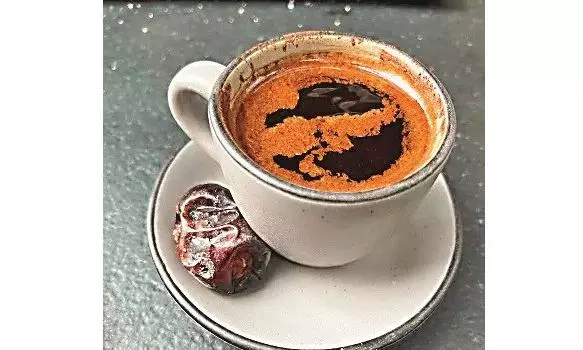
Coffee used to mean comfort. A quiet morning ritual. A break between meetings. A conversation starter. Today, it is being sold as something far more ambitious: a productivity enhancer, a metabolic aid, a gut-health companion and, increasingly, a form of self-optimisation. Across cafés, speciality coffee chains and health brands, the rise of “wellness coffee” is reshaping what ends up in the average cup. Adaptogens for stress support. Nootropics for focus. MCT oils for sustained energy. Collagen for beauty claims. Probiotics for gut health. Even mushroom blends marketed as “cleaner energy.” The message is clear: your coffee should not merely wake you up anymore. It should improve you.
Biohacking era
The modern café menu increasingly resembles a wellness shelf. Customers are now asking for protein coffee, oat milk swaps, lower-sugar blends, lighter roasts, collagen add-ons and caffeine customisation based on energy needs.
“Some of the most requested wellness-led customisations today revolve around lower sugar, alternative milks, added protein, and functional ingredients that support energy or focus,” says Shivam Shahi, Co-founder and COO of Blue Tokai.
“Consumers are increasingly opting for oat and almond milk, no-added-sugar variants and cleaner ingredient profiles overall. We’re also seeing growing interest in protein coffees, collagen additions, adaptogens and beverages positioned around sustained energy rather than just caffeine intensity.”
There is also growing interest in black coffee formats, calorie-conscious choices and “stable energy” positioning. Cafés today talk about focus, metabolism, recovery and optimisation.
Coffee and burnout culture
For many observers, the wellness coffee boom reflects something deeper about urban life. “In many ways wellness coffee reflects today’s burnout culture, especially in urban India where even rest is expected to feel productive,” says Mohd Ibrahim, founder of Hyderabad Brewing Club.
According to Ibrahim, the rise of speciality cafés, lactose-free drinks and vegan coffee spaces also reflects more mindful consumption habits.
“People are becoming more aware of quality, ingredients and how coffee makes them feel physically and mentally,” he says.
He believes cafés are increasingly evolving into emotional and social spaces rather than purely transactional ones.
“So today’s café culture is no longer just about caffeine. It has evolved into a space for balance, community, creativity and small moments of pause in otherwise fast-paced lives.”
More than just marketing?
The wellness positioning around coffee is not entirely without scientific backing.
“Coffee has travelled an interesting journey, from being a social beverage and a source of comfort to becoming a lifestyle marker, a productivity aid and now, almost a wellness platform,” says Dr GV Rao, Director, Asian Institute of Gastroenterology.
“What was once a simple cup taken for taste, alertness, or conversation is increasingly being positioned around focus, metabolism, gut health and performance.”
Dr Rao says moderate coffee intake has shown positive associations with metabolic health, liver health and cognitive alertness. However, he cautions against treating coffee as medicine.
“Coffee should not be treated as medicine. It is best understood as one component of an overall healthy lifestyle, not a replacement for sleep.”
Ibrahim agrees that the trend is being shaped by both science and branding.
“However, many claims around ‘gut health,’ ‘clean energy,’ and wellness are often amplified through branding and marketing language,” adds Dr Rao.
Is coffee becoming over-engineered?
Not everyone is convinced by the more extreme side of the wellness coffee movement.
“Coffee used to be appreciated simply for its stimulating effect and social ritual. Today, there’s an attempt to transform it into a performance product,” says Naineni Hanumanth Rao, founder of Roast.
While he acknowledges that functional ingredients have their place, he warns that excessive consumption of stimulant-heavy beverages combined with supplements may eventually have unintended side effects.
Still, experts believe parts of the trend are here to stay.
THE NEW-AGE ADD-ONS FLOODING CAFÉ MENUS
Adaptogens: Help with stress and calm energy
Nootropics: Improve focus and concentration
MCT oils: Provide steady energy Probiotics Support gut health
Collagen: Marketed for skin and joints
Protein blends Added for energy and recovery
Mushroom coffee Promoted as lower-acid, balanced-energy coffee
Alternative milks Oat, almond and coconut milk options
NEW RULES OF COFFEE
According to Dr G V Rao
Drink coffee 60-90 minutes after waking
Avoid sugar-heavy coffee drinks
Track caffeine intake carefully
Match coffee to work and workout schedules
Choose stable energy over caffeine spikes
Treat coffee as part of a wellness routine
THE PROBLEM WITH “WELLNESS” COFFEE?
I take supplements seriously. Each has its own timing and absorption window. That’s why I’m sceptical of wellness coffee claims. Heat can degrade collagen, coffee can reduce zinc absorption and many probiotics may not survive hot lattes. The ingredients are real. The delivery often isn’t. If supplementation needs to work properly, it deserves its own protocol, not just a menu add-on. Until there’s proper data on dosing, I’d rather keep my coffee separate.”
— Naineni Hanumanth Rao, founder of Roast
THE PURPLE LATTE
One of the hottest café trends right now is purple. Ube coffee, made using purple yam popular in Filipino cuisine, has taken over social media with its vivid colour, creamy texture and dessert-like flavour. Once limited to cakes and desserts, ube has now entered café culture through iced lattes and photogenic speciality drinks that are as much about aesthetics as taste.