As health concerns soar, experts speak of the many healing properties of cloves
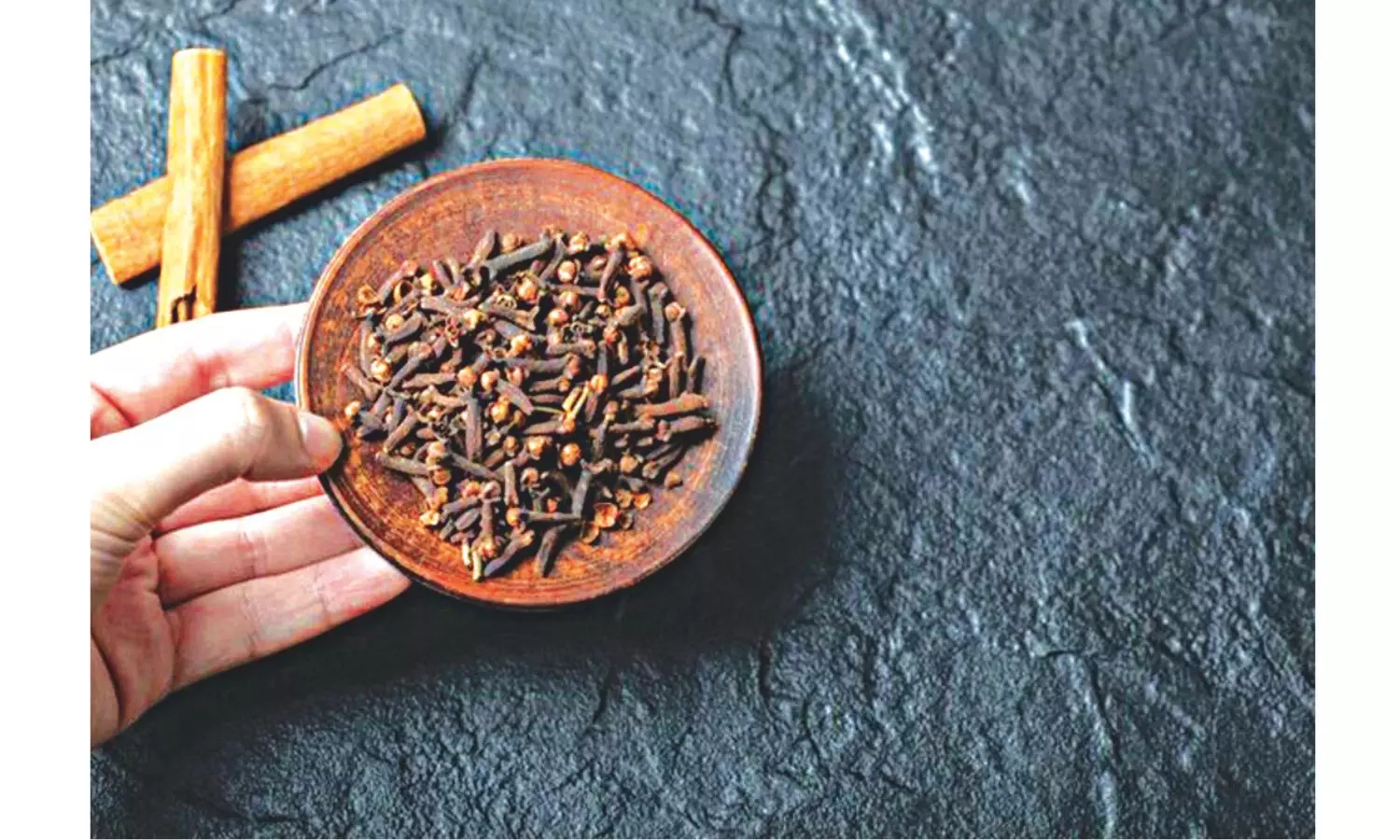
If there were ever a Bollywood blockbuster about spices, Cloves would play the understated hero — small in size, but with a heart of gold. Clove (laung) may be tiny in size, but it is packed with goodness for your cardiovascular health. It has muscled its way into every kitchen, from masala chai to dals and biryani.
“Cloves are commonly used spice flower buds rich in antioxidants, vitamins and minerals,” says Dietician Sasikala Thota, Head of Department of Clinical Nutrition and Dietetics, Renova Century Hospitals from Hyderabad. She explains the many benefits of cloves, starting with their anti-bacterial, anti-inflammatory properties.
Not just that, cloves aren’t just about that bold, spicy aroma that can make your kitchen go bonkers. It’s also brimming with compounds like eugenol, flavonoids and antioxidants, all of which are known to shower your heart with some serious love. Sasikala opines that having cloves regularly as part of one’s diet can also improve digestion, reduce bloating or gas. It also supports oral health due to its antibacterial effects.
She further explains its role in aiding the heart. She says, “Cloves contain compounds that help improve heart health by reducing LDL (Low Density Lipoprotein), aka bad cholesterol and improving HDL (High Density Lipoprotein), aka good cholesterol.” Think of your heart as a motor working 24/7. But just like any motor wears out, the heart, too, tends to be under a spree of attacks from tiny troublemakers. In this case: free radicals. These free radicals sneak around trying to damage your heart’s healthy cells, making it weaker over time.
Enter our hero: Eugenol, a supreme compound found inside every little clove. Eugenol helps build antioxidant strength- the ‘rust remover’ of the body, keeping your cells healthy and strong. Intriguing fact: Eugenol also acts as a mild anticoagulant, helping prevent blood clots- another health hazard.
Ankita Gupta, Dietician & Founder, Nutrition Matters from Delhi says, “Cloves, due to their anti-inflammatory properties support healthy blood circulation and help maintain normal blood pressure levels.” Ankita also mentions that recent research suggests that cloves can also aid in maintaining levels of insulin sensitivity.
Within Proportion
While cloves promise this and more, these tiny-mighty aromatic beings need to be consumed with a pinch of caution. Word of Caution: Eugenol needs boundaries defined.
Eugenol, the star compound that gives cloves its smell and aids other properties, can also be an irritant to one’s liver. Point being, when too much of it enters your system, your liver’s detox enzymes (mainly the cytochrome P450 family) get overwhelmed trying to break it down. That’s when eugenol can become hepatotoxic, aka liver-irritating.
Ankita explains, “Excessive clove intake that is more than 3-4 per day could cause acidity, mouth irritation or even interact with blood-thinning due to eugenol.” She advises that for most adults, around 1-2 cloves per day is safe.
Dt. Sasikala says, “Avoid large amounts of cloves during pregnancy, bleeding disorders or when on blood-thinning medications like aspirin or warfarin.” To add to this, even clove oil should be consumed cautiously. These are potent, yet should be diluted and used sparingly — a few drops, not a spoonful.
Pro Tips
• Use whole spices, not “Masala Mixes”
• Rotate your spices as variety helps the gut microbiome.
• Pair spices with good fats (like Ghee or Mustard Oil).
• Source spices from trusted brands or organic stores to avoid adulteration.
(Courtesy: Ankita Gupta)
Clovely Touch
Masala Tea: Drop one or two cloves in your morning tea.
Aromatic Rice: When you cook biryani, pulao or even basmati rice, toss in a clove or two
Clove & Honey: Toss in a few cloves in warm water, add honey and sip.
Curries: Add 1-2 cloves in gravies like rajma, dal makhani or chole

