Cinema Is Director’s Medium: Yami Gautam

Revelling in the success of ‘Haq,’ actor discusses her career as well as wider industry issues — changes in preferences and ongoing work schedule debate
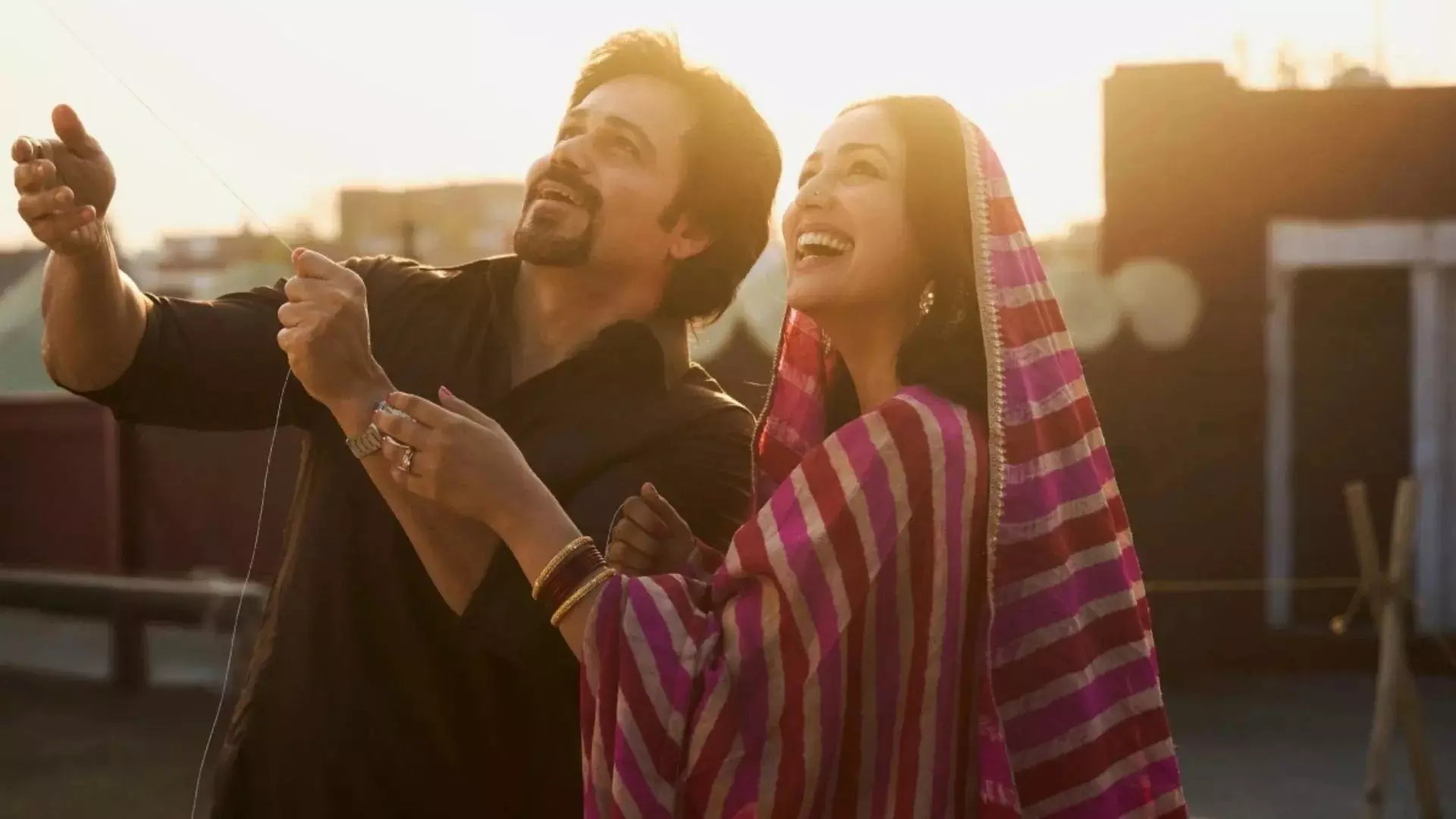
Yami Gautam has been winning accolades for her recent film Haq. Inspired by the Shah Bano case, the film has deeply resonated with audiences, particularly women, who have praised Yami’s moving performance. With strong word-of-mouth driving its box-office growth, Yami says, “We always knew this film would travel through word-of-mouth. Post-Covid, audience tastes have changed, so the emotional feedback and love it’s received have been truly rewarding.”
The actor’s filmography speaks for her determination.
She credits her directors, including her husband Aditya Dhar, who cast her in war drama Uri: The Surgical Strike, followed by Bala in 2019, for her success. “There have been directors who saw beyond my so-called image. There were people who weren’t sure whether I could play a tough part. I sought to identify directors who believed in me and were willing to give me roles beyond industry perceptions. It’s always those opportunities which help you turn things around for yourself. Your choices then silently tell everyone the kind of work you want to do.”
Even as critics and fans hail her performance in Haq as a career-best and worthy of a National Award, Yami laughs, saying, “I have passed the pressure of that to the director of my next film. I told him I cannot carry this with me. But I genuinely believe it is the director’s medium at the end of the day, and we actors are just doing our job.”
She adds, “I can try as much as I can as an actor, but a film has to stand on its own. It cannot be just driven by names. Of course, there were times where you could get your first-day box office numbers based on certain names — it might be true for some big stars even today — but that number is really going down. The trend now is for a film to hold on on its own; it needs to speak to the audience.”
Yami, who has a son, Vedavid, takes a pragmatic view of the 8-hour work shifts debate. “I think that is a very subjective question, and that’s really an understanding between an actor, producer and director. As much as we would like a fixed set of hours, there’s also so much of uncertainty regarding so many things. Your schedules are also dependent on somebody else’s schedule. There is a crew of almost 100 people coming together and working towards something for a period of time. It also depends on the budget of your film. I am not clear whether the eight-hour schedule includes the time when one gets ready — because that’s also part of the profession. Then what about meals, etc.? So it comes down to five or six hours of work, eventually. But if that happens, you will have to commit to more shooting days. Is that something that your producer is okay to allocate? Is that something you’re okay to do? That’s why it really depends on mutual understanding.”
However, she adds that there is always room for improvement in planning and efficiency.
Meanwhile, the actor, who has five projects lined up, says audiences can expect something new and different from her once again.
