Brain on Trial: Experts Question Zomato CEO’s Wearable Technology

Despite claims, the Gravity Ageing Hypothesis behind Temple lacks scientific evidence, say neurologists
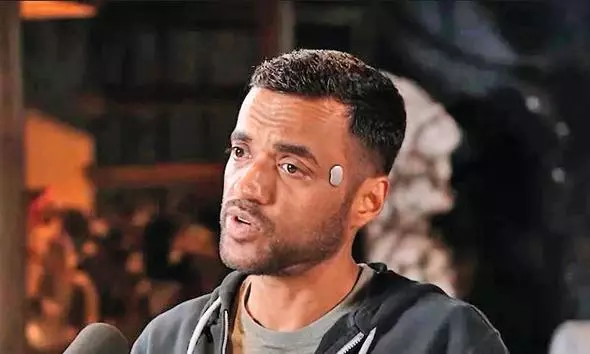
When Zomato CEO Deepinder Goyal appeared on entrepreneur Raj Shamani’s Figuring Out podcast recently, it wasn’t his thoughts on business or leadership that grabbed attention. Instead, viewers zeroed in on a small metallic device attached to his temple, quickly sparking online speculation about a mysterious “brain gadget.”
The device, called Temple, is an experimental wearable that Goyal has previously said is designed to track brain blood flow in real time. He has stated that he has been personally testing the device for nearly a year and has clarified that it is part of ongoing research linked to what his team calls the Gravity Ageing Hypothesis — a theory suggesting that gravity’s long-term effects may gradually reduce blood flow to the brain and potentially contribute to ageing.
Experts question the Science
While the idea has intrigued some in the tech community, it has been met with sharp scepticism from medical experts, both about the hypothesis and the need for such a device.
Dr Sudhir Kumar, Senior Consultant Neurologist at Apollo Hospitals, questions the need for such continuous monitoring, warning that excessive tracking can increase anxiety and paranoia. He points out that cerebral blood flow is already assessed using well-established, clinically approved techniques, including Transcranial Doppler (TCD) — an ultrasound-based test that takes about 15-20 minutes-as well as MRI and CT angiography.
While Dr Kumar does not dismiss the technology outright, he says his objection lies with the premise behind the research. “Temple appears to use optical or infrasonic methods to assess blood flow through superficial and deeper tissues. The device itself may be capable of measuring blood flow in real time, but the gravity ageing hypothesis has no scientific basis at present,” he says bluntly.
He adds that as long as blood pressure is normal, the heart is perfectly capable of pumping adequate blood to the brain throughout life. “Humans routinely live into their 80s, 90s, and beyond. If gravity truly reduced brain blood flow over time, humans would not have survived for generations.” Dr Kumar, further states that cerebral blood flow is compromised only when blood pressure drops-such as during dehydration, severe vomiting, diarrhoea, heat exhaustion, or fainting episodes. “In these cases, we already know the cause and the treatment. We don't need a wearable device to tell us that.”
Echoing this criticism, Dr Suvrankar Datta, an AI researcher and radiologist from AIIMS Delhi, took to X to dismiss Temple as a “fancy toy for billionaires”, stating that the device currently has “zero scientific standing” as a useful medical tool. He cautioned the public against spending money on unproven wearables that lack clinical validation.
