Bra burnout is real, and women across all age groups are rethinking about all-day support at the cost of discomfort, rash, soreness, strain and muscle pain
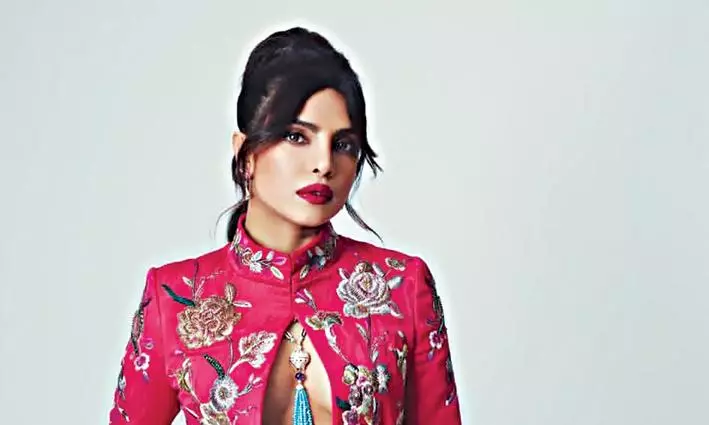
For decades, structured bras have been considered an essential part of women’s daily dressing — offering support and shape to the breasts, and a sense of polish. But an increasing number of women are now questioning whether that support comes at a cost. Across age groups and professions, many are reporting soreness, shoulder strain, and ribcage discomfort linked to wearing bras for long hours, particularly rigid, underwire styles.
This growing discomfort has sparked what some are calling “bra burnout” — a subtle but notable shift in how women think about comfort, body autonomy, and everyday clothing choices. Across both Hollywood and Bollywood, several high-profile women have embraced braless fashion (see box) — whether on red carpets, social media, or in everyday style. The shift reflects a broader move toward comfort, body autonomy, and redefining traditional expectations around women’s clothing.
When Support Starts to Strain
Health professionals say that the issue often lies not in bras themselves, but in poor fit and prolonged wear.
NO HOLDS B(R)ARRED
• Rihanna has been a vocal proponent of body confidence and fashion freedom. She has challenged traditional
expectations, including the idea that bras are essential to a polished look.
• Zendaya has worn several red carpet looks that favour fluidity and structure over conventional support garments.
• Kendall Jenner has openly embraced the no-bra trend in both street style and high-fashion editorials.
• Priyanka Chopra’s daring outfit at the BAFTA Awards drew attention for its plunging neckline and minimal
support structure.
• Nikki Tamboli has frequently been spotted styling bold, body-hugging outfits without structured innerwear.
• Deepika Padukone’s Met Gala appearance showcased high fashion with a modern edge, where structured couture met relaxed styling choices.
• Sanjeeda Sheikh sparked conversation on social media after sharing a candid Instagram story embracing a
braless look.
• Jennifer Aniston has long been associated with relaxed, effortless fashion, often opting for natural silhouettes that don’t emphasise structured undergarments.
Ill-fitting bras can place uneven pressure on the body, affecting posture and muscle health over time. Dr. Archana Dhawan Bajaj, Gynaecologist and IVF Expert at Nurture, says, “Many women come to me with muscle and bone pain because their bra does not fit well. This is not because the bra gives them support, but because it is too tight. If the straps are too tight, they can hurt the muscles in the back of the neck. If the band is too narrow, it can squeeze the ribcage, cause pain, or even make it hard to breathe.” Long-term use of poorly fitted bras can also affect posture. “If you wear a bra that does not fit well for a time, it can also cause you to slouch,” Dr Bajaj says.
Soft Support vs No Support
Social media platforms like TikTok and Instagram are amplifying conversations around alternative choices. Users are sharing their experiences of switching to bralettes, wireless bras, or going completely bra-free. These conversations often centre on reclaiming bodily comfort and rejecting long-held norms about how women “should” dress.
Critics point out the double standard. While men can move through public spaces topless without scrutiny, women are often judged — or even reprimanded — for wearing a simple top without a bra. As more women question these expectations, the choice to forgo a bra is increasingly framed not just as a comfort decision, but as a subtle act of autonomy.
The Science Behind It
Medical experts note that while bras do provide support, especially for those with larger bust sizes, constant or improper use can lead to discomfort. Tight straps can dig into the shoulders and neck, while restrictive bands may compress the ribcage. The solution is not necessarily abandoning bras altogether, but making more mindful choices. Doctors usually recommend wearing bras that fit well, have supportive straps, and do not put too much pressure on the body.
Dr Bajaj points out that wearing a bra continuously is not always necessary. “It is also an idea to take off your bra when you sleep unless your doctor tells you not to. What is most important is that you feel comfortable, you wear a bra that fits you well, and you listen to what your body is telling you.”
A Broader Conversation
For some experts, the conversation around bra burnout is part of a larger reckoning with how women’s bodies have historically been shaped — both literally and socially — by fashion norms. Dr. Meera Kulkarni, a Mumbai-based gynaecologist, says the current shift reflects changing attitudes. “We are seeing more women question long-standing habits that were never medically necessary. There is no universal rule that a bra must be worn all day. The body benefits from periods of relief, especially if there is any discomfort.”
She adds that individual needs vary. “For some women, especially those with larger breasts, support can reduce strain on the back. But that support should never come at the expense of pain or restricted breathing.”
Redefining Everyday Choices
The movement away from rigid bras does not necessarily signal the end of structured support, but rather a rebalancing. Many women are now choosing different types of bras for different contexts — opting for softer styles at home or during long workdays, and reserving structured options for specific outfits or occasions. The emphasis is shifting toward flexibility, comfort, and inclusivity.
Listen To The Body
As conversations continue to grow both in clinics and online spaces, the idea of “support” itself is being redefined. For many women, true support now means not just physical lift, but the freedom to choose what feels right for their own bodies.
From Mumbai to Los Angeles, the growing visibility of braless fashion among celebrities reflects more than just a styling choice. It signals a cultural shift—one where comfort, personal agency, and changing ideas of modesty are influencing how women dress in public and private spaces alike.
Bra-less Health Benefits
• Reduced Skin Irritation & Better Circulation: Tight straps, underwires, and bands can dig into the skin, leading to redness, chafing, or restricted blood flow. Going braless removes that constant pressure, allowing the skin to breathe more freely.
• Relief from Shoulder & Back Strain: For women wearing ill-fitting bras, straps can place stress on the shoulders and upper back. Skipping bras or opting for softer alternatives may reduce this discomfort.
• Improved Comfort & Natural Movement: Without the constraint of structured support, the chest can move more naturally. Many women feel less restricted and more comfortable during day-to-day activities.
• Better Skin Health: Sweat and friction trapped under tight fabrics can lead to skin rash and infections. Going braless in breathable clothing helps keep the area drier.

