Bought For Crores, Treated Like A Commodity

News of celebrated cricketer Rahul Dravid quitting the IPL franchise Rajasthan Royals as coach has thrown the spotlight on the harsh truth of the league. Players and mentors are bought for crores of rupees by team owners but are valued only as long as they deliver
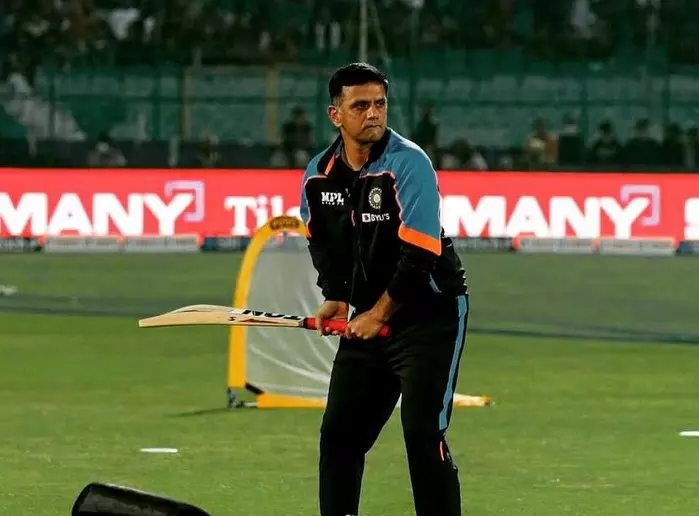
The Indian Premier League (IPL) is a theatre of dreams—where sixes soar, crores exchange hands, and players become brands overnight. But beneath the glitter lies a harsher truth: players, no matter how celebrated, are often treated as commodities. The cheque may be fat, but the expectations are unforgiving. And when the performance dips, the warmth vanishes.
Rahul Dravid’s quiet exit from Rajasthan Royals is one such tale. After years of shaping the franchise’s culture with dignity and depth, he was offered a “broader role” following a poor season. He declined. Not out of ego, but because the offer felt like a polite push toward the exit. The Royals finished ninth. Whispers began. Sanju Samson’s future was questioned. And Dravid, the man who had anchored the team’s ethos, was thanked and moved aside.
The most glaring example of ownership overreach came in IPL 2025, when Lucknow Super Giants owner Sanjiv Goenka publicly confronted captain Rishabh Pant after a crushing defeat. Cameras caught the animated exchange. Fans were stunned. It wasn’t the first time — Goenka had previously clashed with KL Rahul in a similar fashion.
The message was clear: deliver, or be dissected in full view.
Lalit Modi, the league’s founder, didn’t mince words. He called Goenka’s behavior “unheard of” and demanded that the IPL governing council reprimand him. The incident sparked a wider conversation: when does ownership cross the line from support to interference? And what does it do to a player’s morale when their failures are aired like laundry on national television?
This isn’t limited to Lucknow
Yuvraj Singh, once the darling of the auction table, was dropped mid-season by franchises that had paid crores for him. Kevin Pietersen, Gautam Gambhir, Ravichandran Ashwin — all have faced abrupt exits or cold shoulders when the numbers didn’t add up. Even Ajinkya Rahane, after a few lean seasons, found himself wandering between teams despite his leadership pedigree.
The IPL auction is a marketplace. Players are bought, sold, and judged not just on skill but on optics. A few bad games, and the narrative shifts. The dressing room becomes tense. The dugout, political. And the player, no matter how seasoned, starts to feel like a line item on a spreadsheet.
Irony remains
The league that celebrates loyalty and legacy in its promos often fails to honor it in practice. Dravid’s refusal to accept a diluted role was an act of resistance. Pant’s silence after Goenka’s outburst was a study in restraint. And every player who walks into an IPL franchise knows —behind the jersey, behind the cheque, lies a contract with invisible clauses: Perform, or perish.
