Indian menswear is undergoing a quiet but significant transformation, men are focusing on functionality, sustainability and individuality
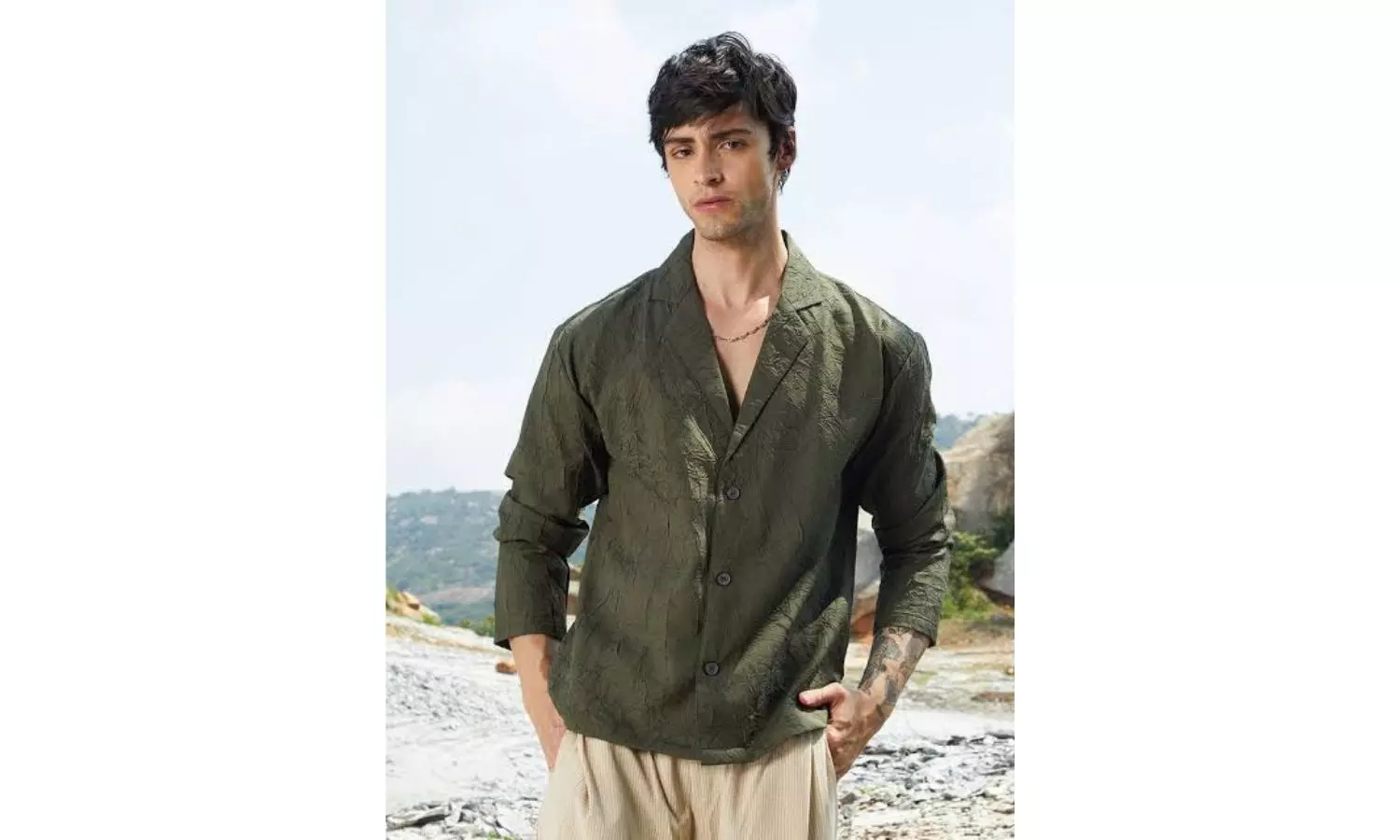
For decades, Indian menswear followed a familiar formula: crisp shirts, tailored trousers, a handful of neutral colours, and occasion wear reserved for weddings or festivals. Today, however, that narrative is changing. From oversized silhouettes and co-ord sets to wrinkle-resistant fabrics, performance textiles, and modern bandhgalas, Indian menswear is undergoing a quiet but significant transformation. The shift isn’t just visible on runways—it is unfolding in offices, airports, cafés, weddings, and social media feeds across the country.
Modern Lifestyle Dressing
The biggest change in menswear isn’t simply aesthetic—it’s functional. The post-pandemic consumer has become far more conscious of comfort. Structured suits have given way to softer tailoring, breathable fabrics, relaxed fits, and versatile separates that transition effortlessly from meetings to dinner.
Performance fabrics are also becoming increasingly common. Moisture-wicking shirts, stretch trousers, wrinkle-resistant blazers, and lightweight jackets are no longer confined to sportswear brands. Mainstream fashion labels are integrating technical fabrics into everyday clothing, responding to consumers who expect style and practicality in equal measure.
Fashion designer Arjun Khanna explains “Today’s customer doesn’t want separate wardrobes for work, travel and leisure. They’re looking for garments that perform throughout the day while still looking refined. Functionality has become just as important as design.”
Comfort Is No Longer Casual
One of the most noticeable shifts has been the changing perception of comfort.
Oversized shirts, relaxed trousers, knitted polos, utility overshirts and drawstring tailoring have entered mainstream wardrobes without compromising sophistication.
Even traditional Indian wear has adapted. Classic kurtas are now paired with sneakers instead of formal footwear. Bandhgalas feature lighter construction and contemporary cuts. Nehru jackets are styled over T-shirts instead of formal shirts. This evolution reflects changing lifestyles rather than changing fashion alone.
Individuality Over Uniformity
Perhaps the biggest departure from previous generations is the desire for self-expression. Earlier, menswear often revolved around dressing appropriately. Today, it revolves around dressing authentically.
Social media has played an undeniable role in accelerating this shift. Celebrity wardrobes have also influenced mainstream tastes. Rather than copying celebrity looks directly, consumers are borrowing elements that fit their own identities.
Weddings = Fashion Labs
Nowhere is the transformation more visible than in occasion wear. Indian weddings have become opportunities for men to experiment beyond the traditional sherwani. Pastel bandhgalas, embroidered jackets, draped kurtas, textured fabrics, monochromatic styling and contemporary Indo-western ensembles have become increasingly popular.
Stylist Rhea Malhotra says “Men today are far more involved in styling than they were five or ten years ago. They’re thinking about silhouettes, accessories, footwear and even how an outfit photographs. Wedding fashion has become an extension of personal identity rather than simply following tradition.”
Accessories are equally important. Brooches, layered necklaces, embroidered loafers, statement watches and pocket squares are helping complete looks that feel curated rather than conventional.
Technology Meets Tailoring
Innovation is quietly reshaping how menswear is made. Many brands now incorporate anti-odour finishes, UV protection, four-way stretch fabrics, temperature-regulating materials and wrinkle-resistant technology into everyday clothing. Consumers are becoming more informed about fabric composition, durability and sustainability. The emphasis is no longer only on appearance—it is also on performance. This mirrors a broader global movement where fashion increasingly intersects with technology.
Sustainability Focus
Alongside functionality, sustainability is becoming an important consideration. Many younger shoppers are moving away from impulse purchases towards timeless essentials that can be styled repeatedly.
Neutral palettes, premium fabrics and quality construction are replacing trend-driven fast fashion for many consumers. Brands are responding by focusing on capsule wardrobes, recycled materials and responsible manufacturing practices.
Consumer Perspective
For many men, fashion has become less intimidating and more enjoyable.
Mumbai-based marketing professional Kunal Shah, 30, says “Earlier, shopping meant replacing old clothes. Now it’s about finding pieces that suit different parts of my lifestyle. I want clothes that work for meetings, travel and weekends without feeling like I’m changing identities.” This shift highlights a broader cultural change.
The Future of Indian Menswear
The evolution of Indian menswear reflects a larger transformation in how masculinity itself is being expressed. Comfort is no longer seen as compromising style. Colour is no longer considered risky. Today’s consumers are less interested in dressing according to rigid rules and more interested in dressing according to themselves.
The future of Indian menswear is unlikely to be defined by a single silhouette or trend. Instead, it will be shaped by versatility, innovation, sustainability and individuality. The era of predictable shirts and trousers isn’t disappearing entirely—but it is finally making room for clothing that works harder, feels better and says a lot more about the person wearing it.