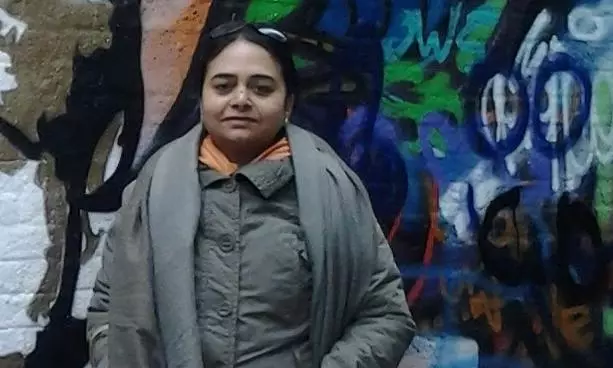
Siya’s alleged role in the murder of her fiancé has reignited debate on arranged marriages and family pressure. But can either really explain such an extreme crime?

The alleged murder of Pune businessman Ketan Agarwal, with his fiancée Siya Goyal at the centre of the investigation, has left many asking a larger question: why do a tiny minority allegedly resort to violence when millions simply walk away?
More than a community issue
The case has sparked debate around traditional Marwadi families, but community members say the lessons extend far beyond one community. Uday Pilani, entrepreneur and hotelier, says every family has a role to play.
“This is not just about business families or Marwadi families. Every family needs to understand the impact of one person’s decisions on another person’s life. That awareness has to exist on both sides, parents as well as children. Parents must listen, and children must also communicate honestly instead of making irreversible choices.”
He says the alleged crime is an exception, not the norm.
“One case has shaken us all, but that isn’t the larger story. For every Siya, there are hundreds of girls who call off engagements at the last minute because they know the match isn’t right. It is painful and embarrassing for families, but people move on. A broken engagement is always better than a broken life.”
He says attitudes have changed significantly over the past decade. “Over the past decade, I have seen many Marwadi families become far more accepting because they have witnessed unhappy marriages and divorces.”
When communication breaks down
Fashion designer Vinita Pittie says the issue is not tradition, but communication.
“Children must have the freedom to make their own choices, but parents must maintain a continuous connection with them while instilling the right values. Acceptance of children’s choices is steadily increasing across the community.”
To her, the alleged crime reflects emotional immaturity more than tradition. “This points to extreme immaturity, passion and an eagerness to finish things fast, thinking they could safely avoid the complaints, scoldings and difficult conversations. Siya could have called off the engagement. It is surprising that she believed this was the way out.”
When ‘no’ feels impossible
For Shailja Patwari, Co-founder of Design Democracy, the case points to several missed opportunities for honest conversations.
“As parents, we do end up putting a lot of direct, indirect and emotional pressure on our children to get married. But having said that, we must respect the child’s decision completely. Any red flags raised by the child should be taken seriously.”
She adds, “There are many things that seem to have gone wrong here. Siya was too young to be getting married. Her parents forced her into this alliance. The boy’s family also apparently didn’t pay heed to the red flags raised by him. Siya was scared to open up to her parents about her boyfriend, but not scared to push her fiancé off a cliff. What has the world come to?”
Why most walk away
For Dr Era Dutta, consultant psychiatrist and founder of Mind Wellness, the difference lies in how people respond to conflict. “Most people facing family pressure negotiate, refuse, delay the marriage or walk away, while a small percentage resort to violence. No two people are built the same. The propensity for violence can be premeditated or it could be impulsive.”
She says premeditated violence is often associated with low guilt, moral disengagement and antisocial personality traits. “In the premeditated form, we usually find people with low guilt, moral disengagement or antisocial personality disorder traits who can resort to such acts.”
No single cause explains murder
Dr Era says parental expectations alone cannot explain such crimes. “Parental expectations alone cannot lead to such a big act. Any problem is multifaceted and multidimensional. Society plays a role, the person’s psyche, past experiences, neurobiology and, of course, the immediate stressors all come into play. We cannot blame only parental or societal expectations as the sole cause of these heinous crimes.”
When love turns intodependence
Dr Dutta says unhealthy emotional dependence can also cloud judgment. “When there’s huge emotional dependence on a romantic partner, there occurs romantic enmeshment. They start feeling each other’s feelings and depending on each other for decisions. They can morally disengage far more easily.”
“Two people deciding that a person needs to go may end up sharing the burden and guilt. They can provoke each other to push the boundaries of society and commit a heinous crime like this. Often, one partner is more submissive while the other is more active in decision-making.”
There is always another way
Dr Era says believing there is “no way out” reflects poor emotional regulation and problem-solving. “There is always a way out. A person can refuse, postpone or not get married, or even marry a partner against the parents’ wishes. But when people have poor emotional regulation, poor problem-solving skills and a disregard for another person’s life, they can commit such heinous acts because they lack empathy at a fundamental level.” She says the tragedy underscores the need for better communication within families. “This incident should not make parents fear their young children and stop guiding them. However, guidance requires hearing, listening and collaborating. Parents and young adults need to speak more openly about expectations and their demands.”
When relationship conflicts turn deadly
· Meghalaya (2025): The alleged Raja Raghuvanshi honeymoon murder shocked the country after police accused his wife and others of conspiring to kill him.
· Across India: Honour killings continue to claim lives when families oppose marriages across caste, religion or community lines, highlighting that relationship conflicts can turn deadly for very different reasons.