An Ancient Glow Gallic-y Returns to Beauty World

Gallic acid has become the new skincare bestie across the beauty and wellness industry
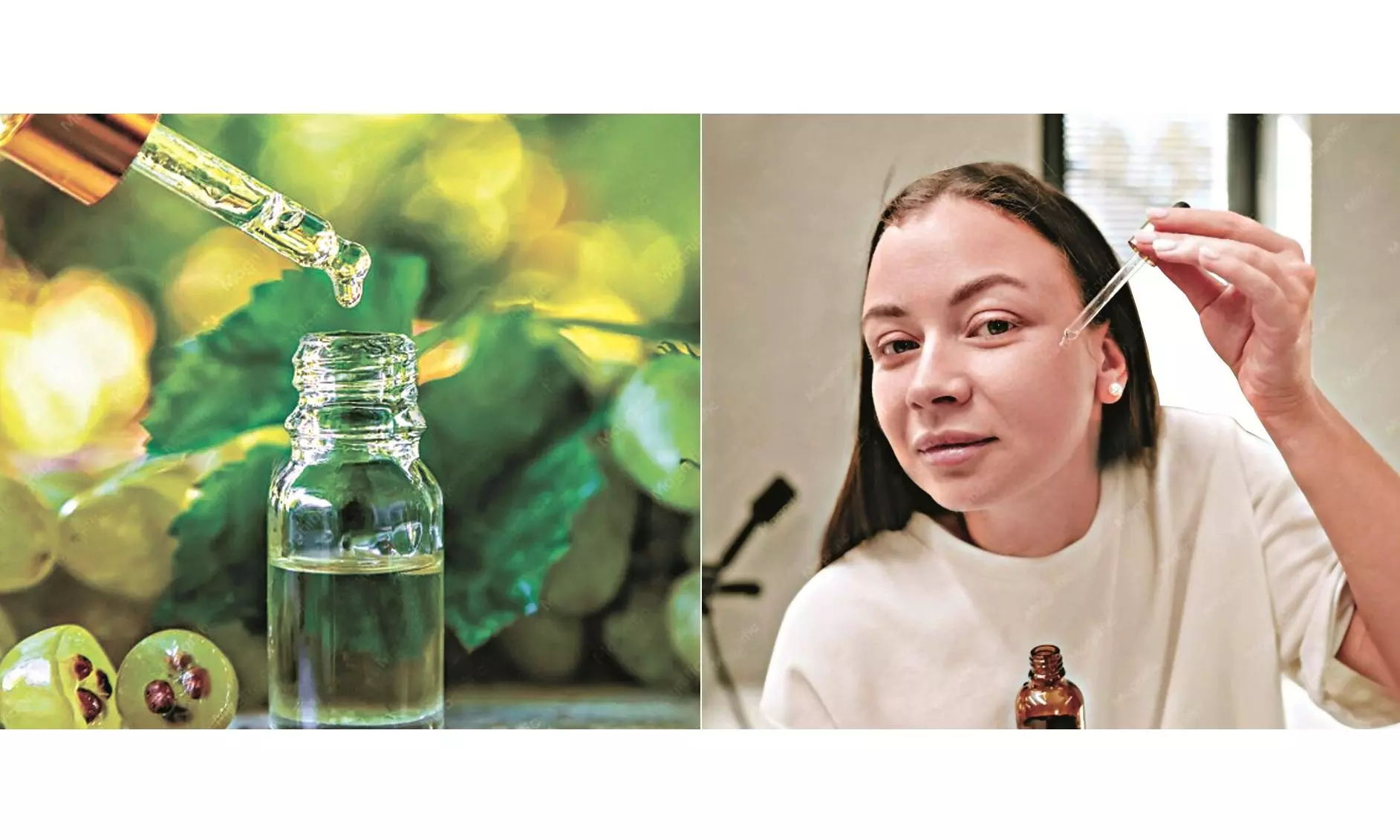
Gallic acid has become the latest buzz in skincare. Long valued in traditional medicine for its protective strength, this plant-derived phenolic compound is now in the modern spotlight. It has emerged as one of skincare’s gentler antioxidants, offering a quieter alternative to vitamin C.
Gallic acid isn’t just lab-made. In India, it’s long familiar — Amla, a staple in home remedies, carries it with vitamin C. Triphala extends its Ayurvedic lineage. That heritage reframes gallic acid not as a skincare import but as a rediscovery of tradition. In today’s beauty landscape, the ingredient has clinical relevance that bridges ancient wisdom with modern science.
Many brands now feature it in serums, creams, and antioxidant blends. Rehaan Roy, Digital content creator @rehaanroyofficial, blends DIY know-how with skincare insights and says, “I’ve been using gallic acid in my skincare for some time, after discovering its antioxidant and brightening benefits through my own research, as I’m always curious to explore ingredients that can benefit my skin. I use it once or twice a week in serum form. It’s helped my skin look even-toned, brighter, and naturally glowing, while reducing dullness. Consistency is key for me, so I stick to a routine that keeps my skin balanced and healthy.”
Skin-credible Stuff
Gallic acid is a naturally occurring phenolic compound found in plants and foods like tea, berries, grapes, and nuts. “From a dermatological perspective, its antioxidant activity is what makes it compelling — helping neutralise free radicals from UV exposure and environmental stress. It’s also being studied for anti-inflammatory and skin-protective properties,” says Dr Chirranjiv Chhabraa, Founder & Medical Director, Alive Wellness Clinics Delhi.
“The growing interest reflects a broader shift toward ingredients that support skin health over time, rather than quick fixes. Still, popularity doesn’t equal proof: gallic acid is promising, but robust human clinical evidence for topical use is still emerging,” adds Dr Chhabraa.
Gallic Acid vs. Vitamin C & E
All three gallic acid, vitamin C, and Vitamin E are antioxidants, but they differ in
chemistry and role. Gallic acid is a polyphenolic compound. Vitamin C is water-soluble, widely used for pigmentation, photoageing, and collagen synthesis. Vitamin E is lipid-soluble, protecting cell membranes and long valued for photoprotective support.
Gallic acid stands out not only for its antioxidant activity but also for research into anti-inflammatory, antimicrobial, and potential anti-ageing effects. “It’s not a replacement for C or E — rather, antioxidants can play complementary roles, with the choice depending on skin type, concern, and formulation,” adds Dr Chhabraa.
Gallic Acid in Products
Gallic acid works best in leave-on formats. “Serums deliver antioxidants directly to the skin, making them effective for oxidative stress and uneven tone. Creams and moisturisers are useful too, especially for dry or sensitive skin when paired with barrier-supporting ingredients. Masks are less compelling since short contact limits impact. In practice, a well-formulated serum or cream offers more sustained benefit, though evidence for topical gallic acid remains more limited compared to established antioxidants like vitamin C or E,” states Dr Poornima Aher, Dermatologist at Envi Aesthetics.
How to Use Gallic Acid
Follow the instructions on a commercially formulated serum or cream, not lab concentrations. “A simple routine: morning — gentle cleanser, gallic-acid product, moisturiser, SPF 30–50; night- cleanser, gallic-acid product, moisturiser. Once daily is often enough, especially for sensitive skin. Always patch test first, as irritation or allergic reactions are possible, even though gallic acid generally shows low toxicity,” suggests Dr Aher.
Hidden Benefits
Gallic acid may suit those concerned about oxidative stress, environmental damage, or uneven tone, and can complement sunscreen and other antioxidants. Caution is advised for very sensitive or irritated skin, those with a history of contact dermatitis or botanical allergies, or anyone already using multiple strong actives like retinoids or exfoliating acids. In such cases, irritation often stems from the overall formulation rather than gallic acid itself — making patch testing essential.
The Bigger Picture
Preventative care isn’t about piling on actives — it’s about steady protection against ageing triggers and maintaining long-term skin health. The shift is toward barrier-conscious prevention, emphasising repair and resilience rather than chasing wrinkles or acne fixes.
“Gallic acid shows promise as an antioxidant and anti-inflammatory, but evidence for broad protective benefits is still emerging. It may play a role in routines targeting oxidative and environmental stress — yet it’s only one piece of the puzzle. The true foundation remains daily sun protection, hydration, barrier strength, and carefully chosen actives,” says Dr Chhabraa.
Do’s and Don’ts
(Courtesy Dr Poornima Aher, Dermatologist, Envi Aesthetics)
• Introduce gradually — start once daily or every other day.
• Always moisturise to support barrier tolerance.
• Choose a properly formulated product (stability matters).
• Check the label. Gallic acid and derivatives like diglucosyl gallic acid aren’t the same — stability and cosmetic properties differ.
• Be patient — antioxidant effects build over time.
A Word Of Caution
• Don’t use raw powder directly on skin. Lab-grade gallic acid isn’t skin-safe; it can irritate when applied unformulated. Only use finished, encapsulated cosmetic formulations designed for stability and tolerance.
• Don’t assume “natural” means irritation-free.
• Don’t stack with multiple strong actives at once. If you’re already on retinoids, exfoliating acids, benzoyl peroxide, strong vitamin C, or peel masks, adding it straight away risks irritation overload.
• Don’t treat it as a sunscreen substitute.
• Don’t apply to broken or inflamed skin.