The pressure to stay connected 24/7 and share constant updates online is leading to emotional fatigue and blurring the boundary between authentic living and performative behaviour
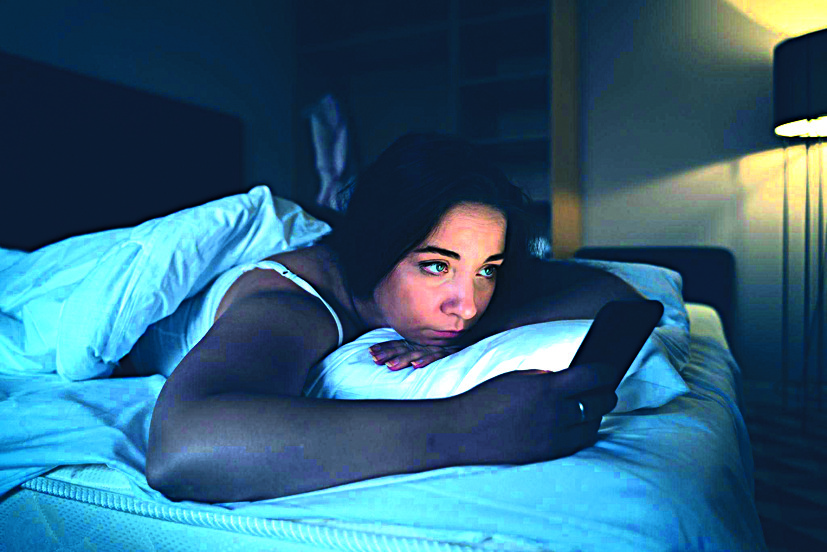
You posted a new pic on your story. It’s been two hours, and your notification bar is filled with two likes, four comments, and a call from a friend. We all have been there. It’s a bittersweet moment. You want the world to know where you are, but at the same time, you don’t want many to be aware of where you are going.
Visibility is no longer optional. The force to be online always keeps us on our toes. If we are not, then the fear of missing out catches up to us—it’s expected, normalised, and often rewarded. Being present isn’t enough. You need to be seen to be present, and only then will it matter.
In 2026, if you’re not online, it raises quite a few eyebrows. Most individuals will find it very hard to believe that someone doesn’t want to be online because they just don’t want to. “I use social media to stay connected, but sometimes it feels like there’s pressure to keep sharing—what I cook, where I go, what I do. It makes you wonder if you’re living for yourself or for others to see,” says Seeta Tiwari, a homemaker.
Curated Selves
Digital tracking is very real. It starts with location sharing with friends/partners, fitness trackers, step counts, and apps tracking sleep and productivity. The online status on Teams/Slack and read receipts force us to believe there is an expectation of instant replies.
This all might seem heavily textual and scary, but here’s food for thought. Online visibility has shifted from being a choice to being an obligation. Many individuals have forgotten the art of being comfortable with their privacy. “Constant online visibility creates a low-grade anxiety where individuals feel they must always be available, responsive, and interesting. Over time, this blurs the boundary between authentic living and performative behaviour, leading to emotional fatigue,” explains Dr Rosanne Fortez, general physician.
Importance of Silence
Silence online is often interpreted as absence—or worse, avoidance. People no longer just express themselves. They curate themselves for the internet. If you don’t look appealing or interesting online, then you have failed the class. Every post is thought out, filtered, timed, and placed to make your feed look aesthetically pleasing. This creates a gap between the real self and the online self.
Seen, Heard, Tracked
The awareness of being watched changes behaviours. People now tend to self-censor parts of themselves that they don’t want the world to know. They overthink before speaking because they are afraid of being caught making a mistake. “I don’t even realise when I start performing for Instagram. Like, I’ll be out with friends but I’m already thinking about what to post. It’s exhausting, but also kind of hard to stop,” adds Brenden Mathew, a UI/UX designer.
Privacy used to be the default setting, but now it’s something few people actively protect. This includes close friend lists, private accounts, and disappearing messages. The idea is that at least the information is only shared with a close circle of friends and not “others”.
Relationships Under Surveillance
We want privacy, but we also want visibility. People crave attention, but fear exposure—often at the same time. Unfortunately, this sickness has slipped into relationships, with partners being on edge if their significant other has not shared their location.
It gives rise to the “Why didn’t you reply?” culture, and most of us are aware that there is no getting out of that either. In many relationships, being reachable has quietly become a form of loyalty. “Social media has normalised a state of constant self-surveillance. People are not just being watched—they are anticipating being watched, which alters behaviour, increases anxiety, and erodes the ability to simply exist without performance,” says Dr Fortes.
People modify their behaviour because they might be seen. Posting at certain times, avoiding posting certain things, dressing and acting for photos—even offline life is influenced by online visibility.
For example, going somewhere “Instagrammable”, doing things for content, picking out clothes that look OOTD worthy.
So, is there an exit? Some people log off, go private, practice “low visibility” lifestyles, go for a digital detox, minimal posting and even better… silent walking. It is a quiet rebellion against constant exposure in a world that is obsessed with visibility.
The real question isn’t what we choose to show—but whether we still remember how to be unseen because in the end, the rarest luxury today isn’t attention—it’s anonymity.