All Dress-Up for Fashion Surveillance

The new runway is everywhere, and people are dressing up to be ‘camera ready’ 24x7 — grocery shopping, coffee run, airport transit and even when they step out to clear their trash
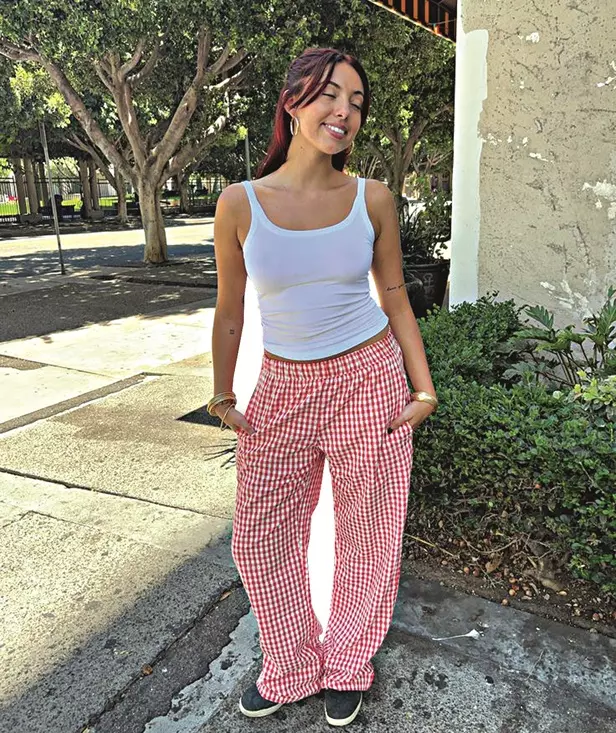
Fashion doesn’t just live on catwalks or curated editorials — it exists on the street corner, inside the airport terminal, and even in your bedroom. With surveillance cameras, smartphones, and social media capturing every moment, style has evolved from self-expression to self-broadcast. Dressing up has become an act of performance, constantly under the scrutiny of not just peers, but algorithms and anonymous audiences.
All Dressed-Up
Dressing up has evolved from special occasions to everyday virality. “We used to dress for the occasion — now we dress for the feed,” says Aaina Mahajan, Creative Director cum Founder, Mellowdrama. Her words capture the shift in dressing motivations. A decade ago, people dressed for weddings, parties, or the occasional night out. Now, every mirror selfie, every coffee run, and every “Get Ready With Me” video is a potential moment for digital acclaim. In a world where Instagram stories expire in 24 hours, yet leave lasting impressions, fashion choices are meticulously curated for virality.
“Camera-Ready” Style
This obsession with visibility has birthed a specific kind of fashion: One that’s designed to pop on screens. Bold colour contrasts, shimmering textures, unusual silhouettes, and even back-of-head details have become crucial elements in what’s now called “camera-ready” fashion. These features aren’t just aesthetic; they are strategic. They’re meant to capture attention mid-scroll or stand out in a sea of content.
“We’ve become so obsessed with always looking put-together that even our most comfortable clothes — like pyjamas — are being reimagined as formal sets. We’re trying to turn
Every piece of comfort wear
into something polished and camera-ready,” says Kia Mitra, a content creator.
Outfits aren’t just about the physical presence — they’re about digital permanence. That glimmering fabric might not feel the best on the skin, but it shines in a reel. That exaggerated sleeve may restrict movement, but it commands a visual presence online. We’re choosing clothes not just for ourselves, but for the possibility of being watched, shared, and saved.
Surveillance Capitalism
This transformation isn’t only cultural — it’s deeply entangled with surveillance capitalism. The fashion industry now operates at the intersection of attention economy and consumer behaviour tracking. Each photo uploaded, each video shared, feeds data into systems that influence what we see, want, and ultimately buy. In this ecosystem, your outfit is no longer just a garment — it’s metadata. What you wear can determine your place in the algorithm. Are you trendy enough for the Explore page? Are you unique enough for the niche audience? In a society that’s always watching, what you wear becomes a tool of participation — or exclusion.
The Age of Ephemerality
This shift has also impacted designers, many of whom are rethinking their creative processes. “As a designer, I see this shift as both a challenge and an opportunity,” says Aisha Rao, founder of her eponymous label. “With cameras everywhere, style has become a form of public expression — curated for screens, fleeting posts, and the pressure to go viral.”
Rao highlights a particular tension in couture. “More and more, clients choose outfits based on how they photograph, sometimes valuing impact on camera over presence in real life,” she says. “Couture pieces that take hundreds, even thousands, of hours to create often get a brief moment in the spotlight before being replaced — simply because they’ve already been ‘seen.’”
This pressure for constant novelty chips away at the longevity and emotional depth of fashion. The joy of re-wearing a beloved piece, of forming memories with it, is increasingly rare. Instead, we are caught in a loop of “one-and-done” dressing, chasing the next look that will generate digital buzz.
Personal Style vs Public Statement
The line between personal style and public performance has blurred. Fashion, once a deeply individual language, is now a negotiation between authenticity and audience. “It’s not just about looking good anymore; it’s about being seen — clearly, quickly, and scroll-stopping,” says Mahajan. Indeed, being stylish today isn’t just about taste — it’s about timing, technology, and tactics.
The pressure to perform visually — to be worthy of being noticed — alters not only what we wear, but why we wear it. Style becomes strategy. Identity becomes content. And as long as we live under constant observation, fashion will continue to reflect, adapt to, and challenge the eyes that never look away.
Dressing For Digital Gaze
In this hyper-visual era, our relationship with clothing has transformed. Whether it’s influenced by paparazzi culture, influencer economies, or just the omnipresence of surveillance, dressing up has become an act of being watched — and, more importantly, of wanting to be. As surveillance reshapes our social and cultural landscapes, fashion remains both a mirror and a mask — reflecting the gaze, while shaping the narrative.
