After Celebs, Brands Face Gen Z’s Wrath

They exposed the double standards of celebrities during the CJP protests, now Gen Zers are calling out ‘corporate silence’ and boycotting brands that kept mum
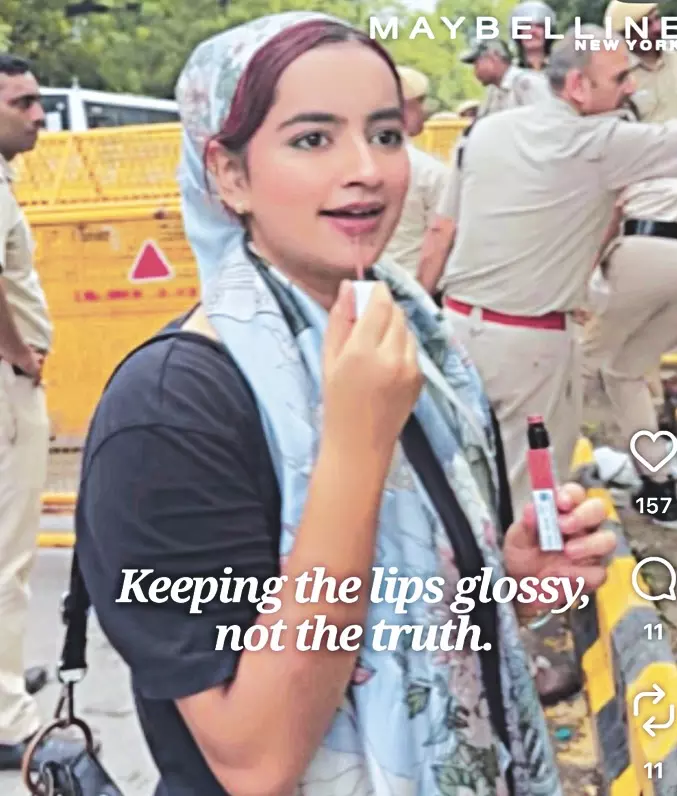
No Statement, No Support, No Problem? Gen Z is keeping score. When thousands of young Indians took to the streets during the Cockroach Janta Party (CJP) protests last month, many brands that spent heavily trying to win over Gen Z had little to say about it. In fact, many brands maintained ‘corporate silence.’ They continued with their regular social media activity. It was business-as-usual. However, the ‘brand silence’ has not gone unnoticed by India’s youngsters.
Many youngsters are very upset. Some feel that brands expect people to support them and be loyal to them during difficult times, but do not necessarily feel the same responsibility towards their communities when they are struggling. “If your values only exist when they're commercially convenient, then I'm not sure they're really values,” says Mehul Gupta, a Talent Manager (artist development).
Call to Boycott
Social media is now ripe with memes and mock posters calling out the ‘corporate silence’ of companies like Domino’s, Freakins, McDonalds, Maybelline, Netflix, Nike, Coca-Cola, Lakme, Lenskart, Starbucks to name a few that stayed mum during the protests. Several youngsters claim to have boycotted these brands. They are also urging others to do the same. “Dear Gen-Z brands, your spine is your strongest branding. Your coolest campaign! Your Audience is at Jantar Mantar. Where are you?” reads a post shared by a Gen Zer (samjhonayaar) on Instagram. Another post by (chaya.kampany) reads: “Oh, to be apolitical in 2026. Let the power of the people be louder than the silence of the people in power.”
It is rather ironic that India’s youth are the main target audience of many of these international brands. But unfortunately, nobody stood up for them out of government fear. Only a handful of local cafés and smaller brands supported the students with water and first aid.
‘Brand Silence’ Psyche
The first instinct of most brands is usually to assess risk. Gupta says, “Anything that could potentially expose the brand to legal trouble, regulatory scrutiny, or complications with government stakeholders is likely to be approached very cautiously.”
For Gupta, the fact that government relations and possible legal consequences could influence whether a brand simply expresses empathy is the more worrying part. “It’s probably legal exposure or government relations. And that's what I find concerning, because it tells you something about the current state of freedom of speech in this country. A brand shouldn’t have to be politically brave to show basic human empathy,” he says.
Abhijit Singh Chugh, who works in marketing at The House of Fio, says such decisions generally involve management and the brand team, with founders or co-founders also having a say. The company's values and audience matter too. Brands may consider whether their audience is politically mixed, older or younger, and how it might react to a politically charged movement. “As a persona, the brand can be different from the people running it,” Chugh says.
It is easier when the subject is Pride Month or a cricket win. “I think for brands, it's much easier to participate in celebrations than to actually stand with people during difficult times,” Gupta says, adding, “It can feel like a very parasitic relationship.”
Chugh does not think every brand that speaks about a cause is necessarily being hypocritical. Some companies genuinely engage with particular communities. Others may do it because it suits their positioning. “If a brand has so far not engaged with anything politically, and doesn't mean to, it may just come off as something they’re doing just for tokenism,” Chugh says.
Be Brave, Stand Up
A few brands did respond during the CJP protests. Blue Tokai’s Janpath outlet offered water, shelter and first aid to protesters. Food and grocery delivery platforms including Swiggy, Zomato, Blinkit and Instamart fulfilled orders of water, ORS and rushed medicines to the protest sites. Smaller labels including Paradyes and Mannlich paused scheduled promotional content and issued statements. Gupta believes Blue Tokai’s response was notable because it was simple. “They showed compassion in the moment. You see people who need water, you give them water. You see someone who needs first aid, you help them.”
Gen Z’s keeping receipts
Digital creator Yashaswinee Raje Singh, who has 188K followers on Instagram, also spoke about the protests. She says, “It was really in very poor taste for the CJI to refer to young people of the country as cockroaches and parasites. There was no meaningful acknowledgement of the student deaths. There was no apology even until the very end by Mr Pradhan. And there was very little engagement with what people were protesting about.”
Singh says creators have increasingly fallen into the habit of sticking to subjects that are comfortable and commercially safe. “It’s an extraordinary waste of a platform to just stick your head in the sand and pretend things are all hunky-dory when they're not,” she says. “It would have genuinely been more uncomfortable for me to not speak up.”
Once celebrities started talking about the protests The individual cost of speaking up diminished greatly. More people joined the conversation. Young people are increasingly getting information through social media, podcasts and creators. But Singh is careful about describing creators as replacements for journalists.
“Let’s not pretend that creators are journalists,” she says. “Good independent journalism is absolutely critical at this moment in time.”
Brand Value, Sales Figures
Whether criticism of brands translates into lost sales is harder to establish. Gupta says Gen Z’s internet culture moves quickly. “Something can be the biggest conversation on the internet today and almost completely forgotten a few weeks later.”
Repeated behaviour, however, can still have an effect. “One incident might not make someone stop buying from a brand, but repeated behaviour can change the way people perceive that brand,” Gupta says. It can slowly erode trust, even if you can't immediately see that reflected in a sales report.
If Gen Z is a company’s core audience, then speaking up can strengthen its relationship with that generation. You don't always have to make a big political statement. You don't have to turn every situation into a marketing campaign. Sometimes you can just do the right thing because it's the right thing to do.