Water and electrolytes help to keep your body hydrated and fully energised during and after intense exercise
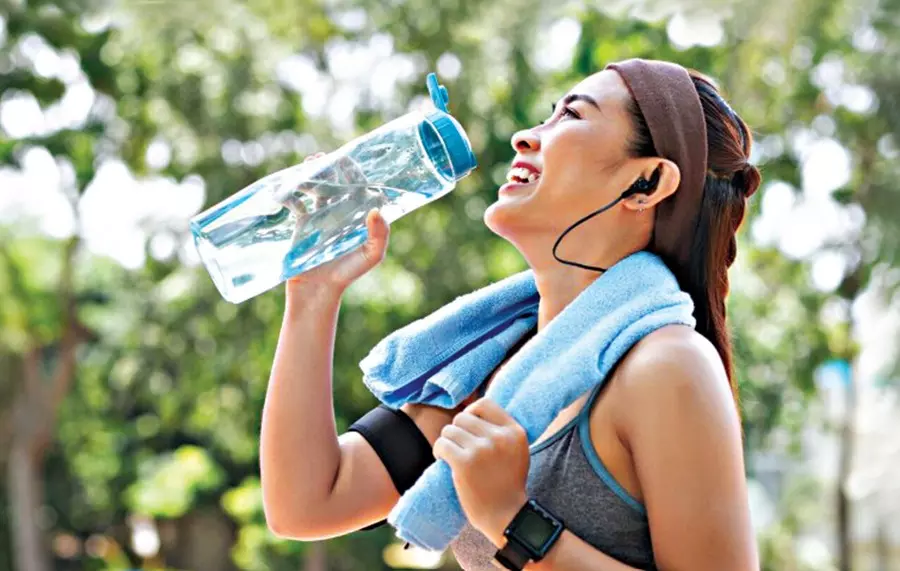
Did you know that more than 60% of our body is made up of water? Adequate hydration is important all the time — especially when you’re exercising. The electrolytes are replenished when you sweat, during strenuous activity. Hydration is crucial to your fitness routine and health. One loses quite a bit of water after a rigorous workout. Electrolytes are helpful during or after intense exercise, especially in hot or humid conditions. Hydration during exercise isn’t just about drinking water; it is about replacing lost electrolytes. So, always plan hydration through proper fluids as part of your workout routine.
Dehydration Woes
Dehydration is a physiological condition in which the body loses more fluids than it takes in. Sunken eyes, dry mouth dry skin are signs of dehydration. Other symptoms include persistent thirst, fatigue, dizziness, loss of appetite, cramps, low blood pressure levels, increased heart rate, constipation and dark coloured urine. “These conditions occur due to low oral consumption of liquids, excessive perspiration after intense physical activity, prolonged exposure to sun or heat, or loss of body fluids due to diarrhoea or vomiting. These complications may lead to electrolyte imbalance, urinary tract infections, kidney problems and even seizures in extreme cases,” says Aman Puri, Certified Nutritionist and Founder, Steadfast Nutrition.
Electrolytes Matter
Drinking water helps joints and body tissue function, regulates body temperature, and transports nutrients. Drink water regularly throughout the day and more during heat or activity. “Electrolytes like sodium, potassium, and magnesium maintain the fluid balance, support nerve signals, and muscle function. They are essential for heart health and preventing dehydration, even if you’re not exercising,” says Dr Manjusha Agarwal, Senior Consultant, Internal Medicine, Gleneagles Hospital, Parel, Mumbai.
Electrolytes, also known as hydration salts, are minerals which play a role in vital functions of the body, such as maintaining pH, regulating body temperature. “For fitness enthusiasts and professional athletes, the need for these minerals arises due to electrolyte loss through sweating caused by intense physical training and exposure to extreme temperatures. Electrolyte supplementation can balance the body’s fluids by replenishing lost electrolytes, maximising athletic performance,” adds Puri.
Energy Drinks
Many professional athletes turn towards energy drinks, sports drinks, rehydration solutions and even alkaline water. “Plain water misses out on providing all electrolytes and nutrients, but it is the key to maintaining hydration. Sports drinks are formulated with electrolytes and nutrients like sugars and carbohydrates that act as an energy source, supporting sports performance during intense activities. These drinks provide rehydration, restore the body’s fluid balance and minimise fatigue levels, making them ideal for fueling the body,” states Aman.
Each beverage has benefits and drawbacks; therefore, athletes determine their preference and individual tolerance. “Check the label for carbohydrate (amount and source), electrolyte (e.g., sodium, potassium), caffeine, and energy (kcal) content. One needs an individualised plan for fluid and/or electrolyte intake before, during, and after exercise under normal training conditions. The plan needs to be adjusted to reflect changing environmental conditions (e.g., increasing temperature, stress of competition). The amount and timing of fluid and/or electrolyte intake are critical elements of the plan,” says Yasmeen Chaudhary, Clinical Dietitian and Diabetes Educator, Dr LH Hiranandani Hospital, Mumbai.
IV Drip Therapy
Many celebrities take intravenous therapy to replenish fluids and essential nutrients quickly. “This is meant for severe dehydration or medical needs. For most people, drinking fluids and eating a balanced diet is safer and can do the trick,” says Dr Manjusha. Excessive Intravenous drip practices may lead to infections and haemorrhage at the injection sites. Overdosing may lead to toxicity of these minerals and cause cardiovascular or renal disease. Therefore, one should opt for IV drips only if necessary.
Natural Hydration
A healthy individual who does not engage in strenuous physical activity does not need supplementation with electrolytes and can fulfil his or her hydration requirements through diet itself. Water is a key natural source that keeps the body hydrated. However, plain water can lack the required electrolytes, as these may be lost during the filtration process. Opting for water and electrolyte-rich fluids like lemon water, coconut water, smoothies, infused water, soups, and shakes may provide basic hydration and fulfil electrolyte needs.
“Coconut water is a good source of essential minerals like calcium, potassium, magnesium, and sodium that keep the body hydrated. Fruits like banana, watermelon, orange, lemon, strawberries, and pineapple, enriched in vitamins and minerals, help replenish lost electrolytes naturally and also maintain optimal hydration,” states Aman.
Homemade Electrolyte Drinks
Natural homemade drinks are safe and effective for children and adults. They hydrate, replenish electrolytes, and offer nourishing nutrients without the drawbacks of caffeine, excessive sugar, or additives. “Low-fat milk helps rehydrate after intense exercise, thanks to its electrolyte, carbohydrate, and protein content. Traditional drinks such as refreshing nimbu pani, sattu drink, lassi, and aam panna have health benefits and are great for everyday hydration, workout recovery, or helping kids and adults stay energised,” says Yasmeen. Appropriate fluid replenishment is crucial in preventing dehydration. Excess water or electrolytes can be harmful and cause overhydration. Water and electrolyte drinks have their place in hydration. The choice depends on the intensity and duration of physical activities, and on the demands of your body.
Hydration Hacks
• Shraddha Kapoor relishes tangy kokum (punarpuli) sherbet as a post-workout drink.
• Alia Bhatt has warm lemon water as a part of her morning routine and also post workouts, combining it with coconut water and saffron.
• Taapsee Pannu’s post-workout ‘high protein high fibre drink’ is made of buttermilk, sattu, flaxseed, and methi seed powder.
• Allu Arjun drinks water throughout the day along with coconut water and fresh fruit juices to keep his body hydrated
• Varun Dhawan drinks coconut water after workouts to stay hydrated.

