A Silent Threat Lurking In Your Fav Salt Shaker

Nearly 30% of people with normal blood pressure could actually be salt-sensitive, for those unaware — salt sensitivity can worsen kidney damage
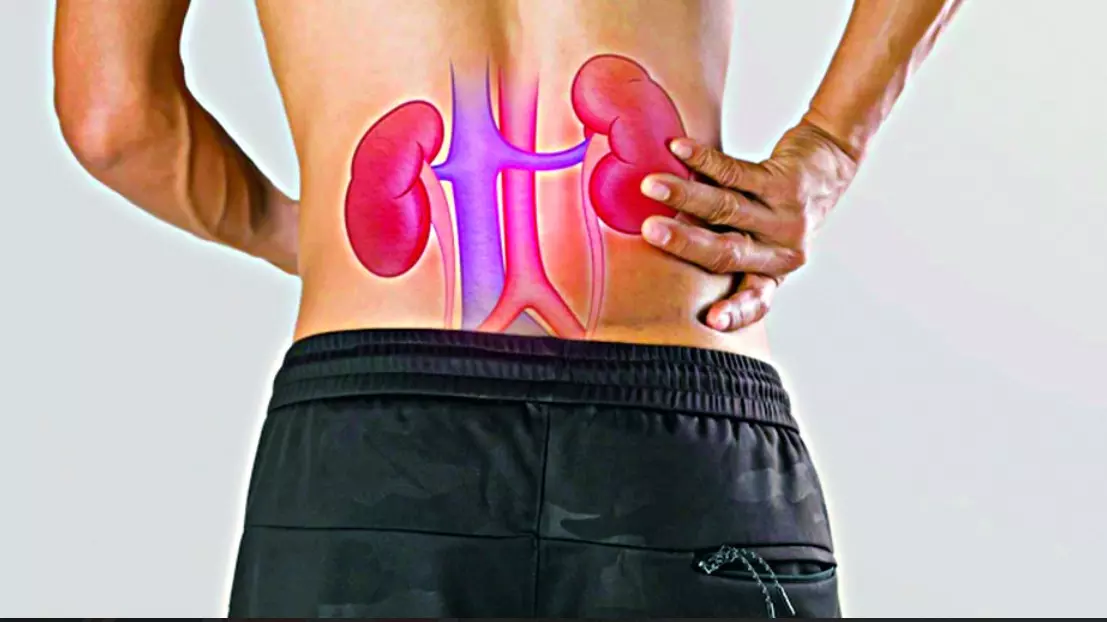
For decades, public health campaigns have warned us to reduce salt intake to manage blood pressure. But now, emerging research is revealing a more complex—and troubling—truth: even moderate salt consumption can be harmful to certain individuals whose bodies react differently to sodium. These people, known as salt-sensitive individuals, face a heightened risk of kidney damage even if their blood pressure readings appear normal.
Salt sensitivity is not rare. Studies estimate that up to 30% of people with normal blood pressure could actually be salt-sensitive. The problem? Traditional diagnostic methods often miss it entirely.
It is not just about blood pressure. “Most people think salt only affects blood pressure," explains Dr Viswanath Billa, Senior Consultant Nephrologist at Zen Multispeciality Hospital in Mumbai. “But your kidneys can actually be harmed by too much salt even when your blood pressure stays normal.”
Think of it like lactose intolerance, Dr Billa says. “Some people can drink milk without problems, while others get sick from even small amounts. Salt sensitivity works similarly with your kidneys.”
In salt-sensitive individuals, the kidneys are less efficient at flushing out sodium. This creates chronic strain on the renal system, slowly leading to inflammation, scarring, and eventual damage—long before any rise in blood pressure is detected by a doctor’s cuff.
A Patient’s Wake-Up Call
For Ravi Mehra (38), a Delhi-based software engineer, the diagnosis came as a shock. Despite having a healthy lifestyle and normal blood pressure, routine bloodwork flagged early signs of kidney dysfunction. “I couldn’t believe it,” he says. “I don’t smoke, I don’t drink much, and my salt intake wasn’t excessive.”
After being referred to a specialist, Ravi underwent salt sensitivity testing. The results were conclusive: his kidneys were reacting poorly to salt, despite no apparent blood pressure issues. “Now I follow a strict salt-restricted diet, and my kidney markers have stabilized. I wish I had known about this earlier.”
Salt Sensitivity Testing
Experts are now calling for wider adoption of salt sensitivity testing as part of preventive kidney care. “Right now, doctors mainly monitor blood pressure to see if salt is a problem,” says Dr Billa. “But kidney damage might already be underway before any change in blood pressure is seen.”
Testing involves dietary interventions—such as alternating between high- and low-salt diets over a two-week period—and tracking kidney responses through urine and blood analysis. “It’s not invasive,” he adds. “It just requires some discipline and close monitoring.”
Dr Nisha Kapoor, a nephrologist (Delhi) agrees. “Salt sensitivity is one of the most under-recognized risk factors for kidney disease. Especially in India, where genetic predisposition and dietary patterns combine, we need more aggressive screening. We often wait for visible damage to occur before acting.”
Personalized Prevention
One of the key promises of salt sensitivity testing is a shift towards personalized medical care. Instead of advising everyone to “cut salt,” doctors can tailor recommendations based on how each patient’s kidneys respond.
“For some patients, even one teaspoon a day might be too much,” Dr Kapoor warns. “Others can handle a little more without harm. The difference can mean decades of kidney health—or decline.”
This approach also allows for early interventions. Doctors may recommend specific diets, closer monitoring, and even protective medications if early signs of renal strain are detected.
A Push for Policy Change
The emerging science around salt sensitivity is prompting a re-evaluation of public health guidelines. Most current dietary sodium recommendations assume a uniform response to salt across all populations—an assumption increasingly proven false. “Medical organizations are considering updates to guidelines because we now know salt affects people so differently,” Dr Billa says. “The goal is catching kidney problems decades before they would normally be detected.”
Focus On Kidney Health
As science catches up with the silent damage caused by salt sensitivity, a new era of personalized kidney care is emerging. For patients like Ravi, it’s not just a change in diet—it’s a life-saving shift in awareness. “Before this, I thought normal blood pressure meant I was safe,” he reflects. “Now I know better. And I’m living better, too.