From salon chair to doctor’s clinic, experts ‘nail down’ unhealthy fads after a surge in nail-related contact dermatitis cases
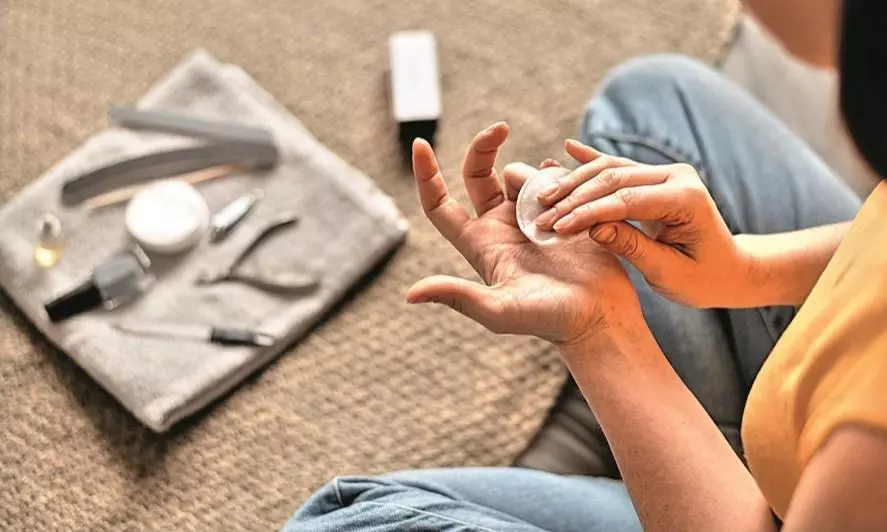
Some beauty trends come with hidden health costs. What begins as a routine gel manicure, chosen for its glossy finish and long-lasting appeal, is increasingly ending in visits to dermatology clinics. Across urban India, dermatologists are reporting a steady rise in patients presenting with redness, swelling, itching, and cracking around the nails. These symptoms often point to contact dermatitis, an inflammatory skin condition triggered by repeated exposure to chemicals commonly found in gel and acrylic nail products. As gel nails continue to dominate beauty culture, experts stress that awareness, rather than alarm, is the need of the hour.
About Contact Dermatitis
Nail-related contact dermatitis primarily affects the periungual skin, the area surrounding the nails. According to dermatologists, it often appears as itching, erythema, dryness, scaling, and sometimes painful fissures. Unlike infections that slowly worsen over months, contact dermatitis typically flares shortly after nail application or removal and improves once the triggering product is avoided. “The key is the exposure-response pattern,” explains Dr Sunita Naik, Head Medical Advisor and Dermatologist at Kaya Limited. “Patients often notice symptoms worsening after gel manicures, acrylic extensions, or even frequent use of nail prep solutions.”
Other Nail Conditions
One of the challenges clinicians face is distinguishing contact dermatitis from other periungual conditions such as fungal infections or nail psoriasis. Dr Naik notes that fungal infections usually involve nail plate thickening, yellowish discoloration, and subungual debris, with relatively little itching. Nail psoriasis, on the other hand, presents with pitting, oil drop discoloration, and may be associated with skin lesions elsewhere on the body. “In contact dermatitis, the nail plate itself is often less damaged, and the surrounding skin shows inflammation that closely follows cosmetic exposure,” she says. A detailed patient history, clinical examination, and when required, patch testing for acrylates and resins are crucial in confirming the diagnosis.
Gel Nail Woes
Gel nail systems contain acrylates, methacrylates, solvents, and photoinitiators, chemicals known to cause allergic reactions with repeated exposure. Improper curing, skin contact with uncured gel, and frequent reapplications increase the risk. Home gel kits, now widely available, add another layer of concern due to inconsistent curing and lack of professional oversight. “Many patients assume over-the-counter or salon products are completely safe,” Dr Naik explains. “But cumulative exposure plays a significant role in sensitisation.”
Sound Advice
Healthcare providers are increasingly emphasising prevention alongside treatment. Dermato-logists now routinely ask patients about salon visits, home manicure habits, and occupational exposure. Education focuses on recognising early warning signs such as itching, redness, scaling, or nail lifting, and seeking medical advice rather than masking damage with more gel. Preventive strategies include limiting the frequency of gel manicures, taking breaks between applications, avoiding skin contact with uncured products, and using sunscreen or protective gloves during UV or LED curing.
High-Risk Groups
Frequent salon-goers and nail technicians face the highest risk. Nail technicians, in particular, experience prolonged occupational exposure. Dr Naik stresses the importance of protective measures such as nitrile gloves, appropriate masks to reduce inhalation of dust and vapours, proper ventilation, and avoiding unnecessary UV lamp exposure. Early diagnosis through patch testing can be career-saving, preventing chronic hand dermatitis that may force professionals out of their jobs.
Indian nail artist Supriya Chandel, who has worked in Mumbai’s beauty industry for years, has witnessed the change firsthand. “Earlier, clients only cared about how long the manicure would last,” she says. “Now many ask about nail health and allergies. I’ve started insisting on breaks between gel sets and explaining why skin irritation should not be ignored. Healthy nails matter more than trends.”
Awareness Over Alarm
As gel nails remain a staple of modern beauty routines, experts agree that informed choices are key. What looks harmless in the salon chair today can lead to long-term skin problems tomorrow if warning signs are ignored. With better education, safer practices, and timely medical care, both clients and professionals can continue to enjoy nail art without sacrificing health for aesthetics.
Nail It Right
• Nail-related contact dermatitis primarily affects the periungual skin, the area surrounding the nails.
• It appears as itching, erythema, dryness, scaling, and sometimes painful fissures.
• Contact dermatitis typically flares shortly after nail application or removal and improves once the triggering product is avoided.

