Here are some delectable ways to get beans into your diet and reap the health benefits of pulse power
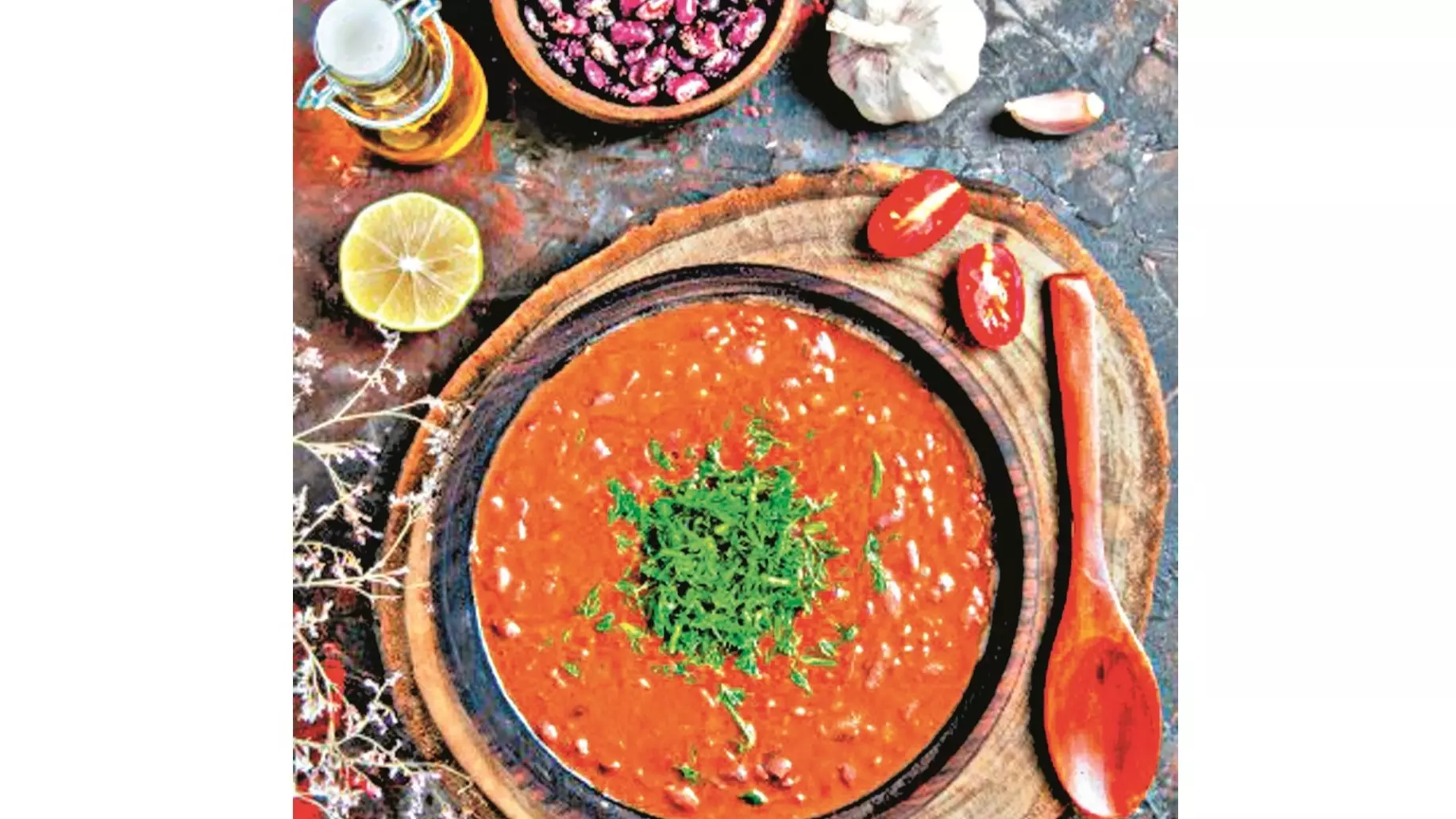
It’s time to spill the beans and share the secrets of a hearty meal and a healthy heart. Beans are sought after in both fresh and dried forms due to their nutritional value and versatility in cooking. The demand for beans is increasing with interests in plant-based diets, health awareness, and the rise in bean-based innovation in the food business. Beans have moved beyond being a basic home staple. Today, across diverse food cultures, they are now a preferred ingredient across homes and cafés alike.
Full Of Beans
India’s agricultural diversity gives access to an extraordinary range of bean varieties. “From rajma of the Himalayan belt to chickpeas, black-eyed peas and indigenous pulses cultivated across central and southern India, every region has its own relationship with beans. Dried beans have played a critical role in food security and household nutrition as they are shelf-stable, affordable and nutrient-dense,” says Chef Ravinder Kumar, Executive Chef, Karma Lakelands.
Beans in the Indian kitchen have long been a staple. Beans are often cooked with vegetables like bottle gourd or spinach in some regional homes, while black-eyed peas are paired with greens or root vegetables in curries. In coastal cooking, beans are added to fish curries to balance spice and create a more filling dish,” adds Ravindra Kumar.
Versatile & Yummy
Beans are a versatile ingredient that lends itself to both savoury and sweet preparations. “In traditional savoury cooking, it is used as a simple dal, amti, sundal, kosambari, ghugni, misal-style sprouts, chilla, and vegetable kootu, as well as in spiced stir-fries. It plays an important role in sweets like moong dal payasam, hesaru bele holige, halwa, laddoos, Pongal, and regional festive desserts. The ability to adapt to different flavours, textures, and cooking styles makes beans a cherished ingredient in home cooking, and modern, health-focused and celebratory dishes," says Food blogger Mamatha Jayaram, from Bangalore, who posts recipes on Instagram @ Food _pulse.
Bean There, Done That
Globally, beans are being used creatively. “Fine dining restaurants are reworking beans into smooth purées, sauces and dishes paired with vegetables, seafood or meats. Ingredients like chickpeas, black beans, butterbeans and lentils are transformed through slow cooking, fermentation, allowing the bean to become a key element rather than just a supporting one,” says Chef Ashish Singh, COO and Culinary Director, Café Delhi Heights.
Globally, beans are used alongside meats and vegetables. In Mediterranean cooking, beans are paired with grilled vegetables and herbs, while in Latin American cuisine, beans are cooked with meats. Beans can be used to bake dishes such as bean casseroles and loaf-style bakes, as well as mashed spreads like hummus and bean dips. The cooking water from chickpeas (aquafaba) is used as a plant-based alternative to egg whites in desserts. Their mild flavour allows chefs to experiment with bold Indian masalas, fresh Mediterranean herbs or umami-rich Asian sauces,” adds Chef Ravinder Kumar.
Small, Yet Mighty
Beans, fresh or dried, encompass such varieties as green beans, cluster beans, black-eyed peas, soybeans, and red beans, and are nutritionally rich. “They are the best plant protein source and valuable for vegetarians and vegans since they strengthen muscle growth and repair tissues. Beans contain dietary fibre, aid in digestion, constipation and help maintain a healthy colon,” says V Malathi, Consultant Nutrition and Dietetics, Rainbow Children’s Hospital, Marathahalli.
Health Benefits
Beans are good for diabetics due to their low glycaemic index. They are a source of vitamins and minerals such as iron, folate, magnesium, and potassium, which help in the formation of red blood cells, nerve functioning, and metabolism. The consumption of beans is heart-friendly. They help reduce bad cholesterol (LDL). “Dried beans must always be soaked for 4 to 6 hours before cooking, to reduce anti-nutrients, and decrease the occurrence of bloating. Use gut health supportive spices like cumin, hing, ginger, or fennel and add lime juice,” adds Malathi.
So, boil, sautee, roast, or puree beans; add them to your diet for their incredible benefits.
Bean Thinking Of You Daily (Courtesy: Chef Ashish Singh, COO and Culinary Director, Café Delhi Heights)
• Beans can be turned into spreads or dips for sandwiches and wraps, and mashed into healthy tikkis.
• Add boiled beans to breakfast dishes like omelettes, chillas or grain bowls.
• Roasted or marinated beans make salads more filling
• Beans can be mixed into comfort food like rice, curries, pastas, and khichdi.
• Crispy roasted beans make for a healthy snack option.
POWER OF PULSES
Bean Tacos (Courtesy: Chef Ravinder Kumar, Ex Chef, Karma Lakelands)
Ingredients
• 2 tbsp olive oil
• 1 cup chopped onion
• 1 tsp chopped garlic
• ½ tsp chopped ginger
• 1 tsp cumin powder
• ½ tsp paprika
• Salt to taste
• 1 cup boiled kidney beans
• ½ cup chopped tomatoes
• ½ cup chopped bell peppers
• 1 tsp dried oregano
• ½ tsp lime juice.
• Taco shells/tortillas
• Lettuce leaves
Method
1. Heat the olive oil, then sauté the onions until caramelised. Add ginger garlic, cumin powder, paprika, and salt.
2. Add mashed kidney beans. Cook for 3 minutes. Sauté tomatoes, bell peppers, add tomato concassé, oregano and lime juice.
3. Spoon the bean filling into tortillas. Top with lettuce leaves.
Protein Bowl (Courtesy: Chef Ashish Singh, COO and Culinary Director, Café Delhi Heights)
Ingredients
• Veg consommé – 200 ml
• One egg
• Salt and black pepper to taste
• Refined oil – 35 ml
• Olive oil – 15 ml
• Spinach leaves – 45 g
• Edamame beans – 45 g
• Asparagus – 45 g
• Sweet corn – 30 g
• Boiled noodles – 75 g
• Silken tofu – 110 g
Method
1. Heat veg consommé, add tofu, salt and pepper.
2. Sauté Edamame in oil until golden; remove and set aside. Sauté spinach, sweet corn, and asparagus.
3. Place boiled noodles in the centre of the bowl. Arrange veggies and tofu around the noodles. Place the poached egg on top. Drizzle olive oil. Pour hot consommé around it.
Green Moong Bean Buns (Courtesy: Mamatha Jayaram, blogger, Bangalore, Instagram @ Food_pulse)
Ingredients
• 1 cup green moong dal (soaked for 6 hours)
• 2 tbsp olive oil
• ½ cup water
• Salt to taste
• ½ tsp baking soda
• 1 tbsp vinegar
• 3 tbsp psyllium husk
• Sesame seeds
Method
1. Make a thick, smooth batter of moong in a mixer by adding water, olive oil, and salt.
2. In a bowl, mix baking soda and vinegar. Add this to the batter, followed by psyllium husk. Rest it for 10 minutes.
3. Preheat oven to 180°C (350°F). Divide the dough into equal portions and shape into buns. Sprinkle sesame seeds on top.
4. Bake for 25 minutes until golden brown.

