Doctors scratch beneath the surface of nonstick cookware and give you a lowdown on polymer fume fever (aka Teflon flu), an illness you have never heard of
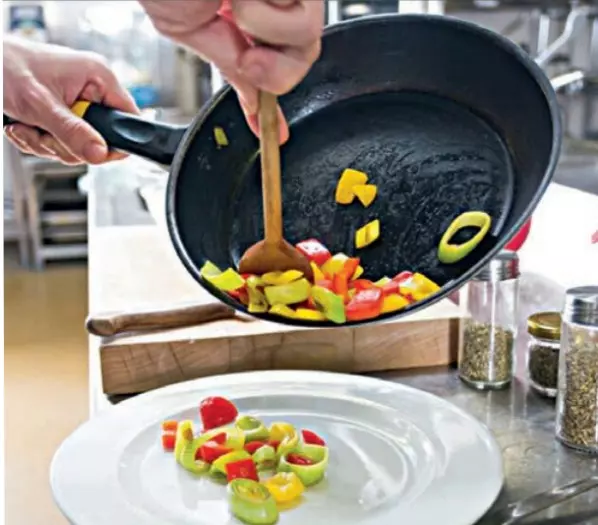
Nonstick cookware has become a staple in modern kitchens. From frying eggs to making parathas, millions of households rely on these convenient pans every day. But despite their widespread use, many consumers have never heard of a condition known as polymer fume fever (aka Teflon flu), a temporary illness that can occur when nonstick cookware is overheated.
Known medically as polymer fume fever, the condition is caused by inhaling fumes released when certain nonstick coatings are exposed to extremely high temperatures. While health experts say the illness is relatively uncommon and usually short-lived, growing awareness of the issue is raising questions about consumer education and kitchen safety.
Nonstick Cookware Woes
Teflon flu is not a viral infection, nor is it contagious. Instead, it is a reaction to fumes that may be emitted when nonstick cookware is heated beyond recommended temperatures. People affected by polymer fume fever may experience symptoms that resemble the flu, including fever, chills, headaches, body aches, fatigue, and, in some cases,
mild respiratory discomfort. Symptoms typically appear a few hours after exposure and usually resolve on their own within a day or two.
Health experts emphasize that the condition is rare and most often linked to situations where cookware is accidentally left on high heat for extended periods or heated while empty.
Awareness Matters
Although polymer fume fever is not considered a major public health concern, experts believe many consumers remain unaware of the possibility altogether. Dr. Manav Manchanda, Director and Head of Respiratory, Critical Care and Sleep Medicine at Asian Hospital, says greater public awareness could help prevent avoidable cases.
“Polymer fume fever, often referred to as ‘Teflon flu,’ is not a common condition, but
it is a preventable one,” Dr. Manchanda explains. “Most cases occur when nonstick cookware is accidentally overheated to very high temperatures, causing the coating to release fumes that may trigger flu-like symptoms such as fever, chills, headache, and body aches.”
According to him, the goal should not be to create fear around nonstick cookware, which is generally considered safe when used properly. Instead, consumers should be given practical information that helps them use these products safely.
Manufacturers and regulators should consider strengthening consumer education through clearer product labels, usage instructions, and public awareness initiatives. He says, “Simple guidance - such as avoiding empty-pan heating, maintaining moderate cooking temperatures, and ensuring adequate kitchen ventilation - can significantly reduce potential risks.”
Public Safety First
Experts say educating consumers should not fall solely on cookware manufacturers. Healthcare professionals, consumer safety advocates, and industry stakeholders all have a role to play. Dr. Sunil Rana, Associate Director and Head of Internal Medicine (Unit III) at Asian Hospital, believes effective communication requires a collaborative effort.
“Effective risk communication requires a shared responsibility among healthcare professionals, consumer safety advocates, and cookware manufacturers,” Dr. Rana says.
He notes that doctors can help the public understand that polymer fume fever is generally uncommon and temporary, while also recognising and reporting cases when they occur. At the same time, consumer safety organisations can translate scientific findings into practical advice that households can easily follow.
Dr. Akshay Budhraja, a Senior Consultant & HOD, Respiratory & Sleep Medicine, Aakash Healthcare, says, “Consumers should also be aware that when nonstick pans are overheated beyond recommended temperatures, they can release fumes that may cause a temporary condition known as polymer fume fever, or Teflon flu. While symptoms such as fever, chills, headache, and body aches are usually short-lived and
resolve on their own, awareness remains important.”
The goal is not to discourage the use of nonstick cookware, but to promote informed choices. With proper ventilation, adherence to manufacturer recommendations, and avoidance of overheating, nonstick cookware can continue to be used safely in most households.
Reduce The Risk
Experts say preventing polymer fume fever is relatively straightforward.
• The most important step is avoiding excessive heat.
• Cooking on medium or low heat, rather than high heat, can help prevent cookware from reaching temper atures that may damage the nonstick surface.
• Leaving an empty nonstick pan on a hot burner should also be avoided, as temperatures can rise rapidly in a matter of minutes. Good ventilation is another simple precaution.
• Opening windows or using an exhaust fan while cooking can help disperse fumes and improve air circulation in the kitchen.
• Consumers should also follow manufacturer instructions regarding temperature limits and cookware care.
• Replacing damaged or heavily worn nonstick pans may also be advisable.
A Little-Known Condition
For most people, nonstick cookware remains a safe and practical kitchen tool when used as intended. As conversations around product safety continue to evolve, experts agree that balanced, evidence-based information is key. Understanding what Teflon flu is - and how easily it can be prevented - may be the simplest way to ensure that convenience in the kitchen does not come at the cost of comfort and health.