ICC’s Landmark Guidelines: Supporting Mothers in Cricket

By offering structured pathways for recovery, fitness, and reintegration, the guidelines ensure that future generations of cricketers won’t have to choose between family and career
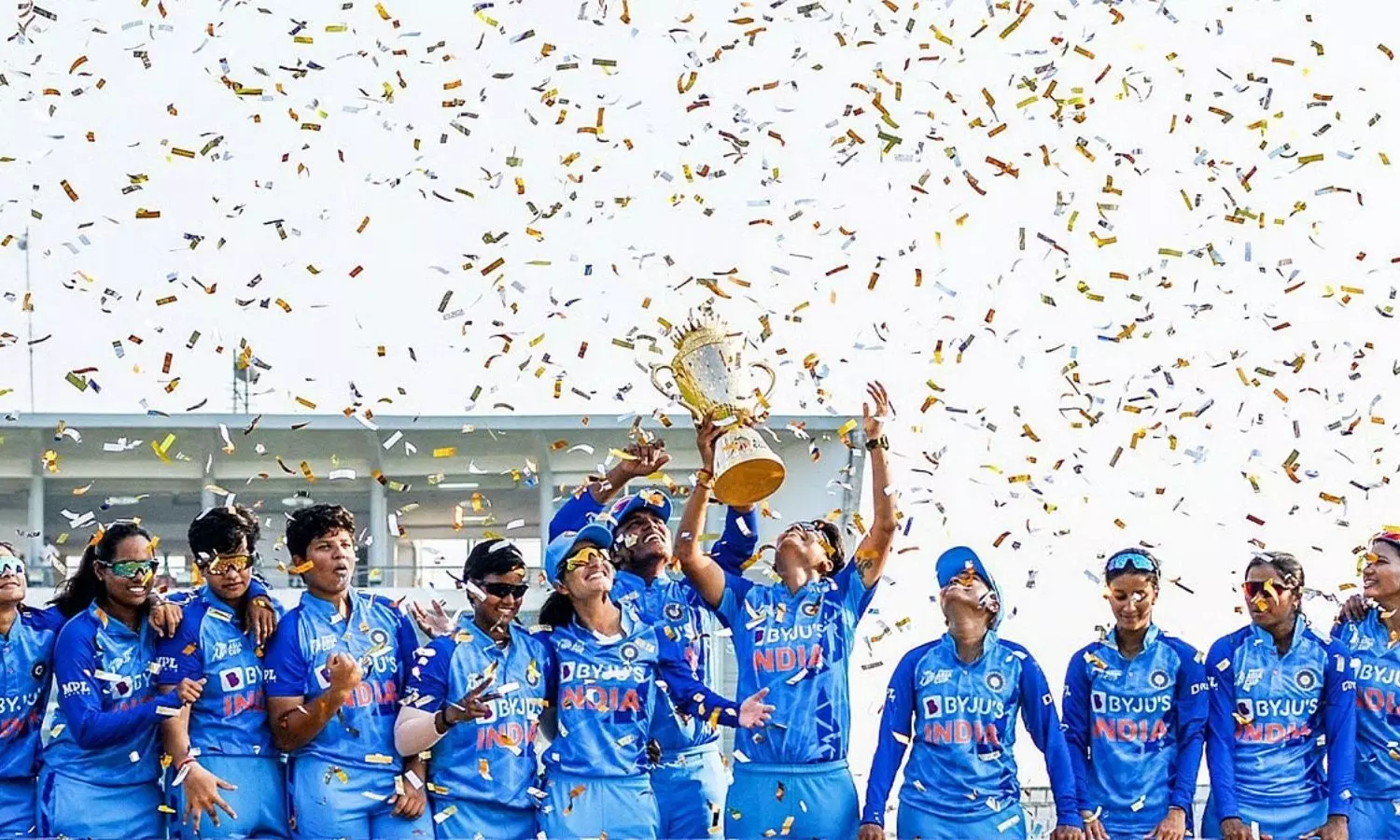
The International Cricket Council (ICC) has taken a landmark step in supporting female athletes by launching its Return to Play Post-Pregnancy Guidelines. These guidelines aim to provide structured medical, physical, and emotional support to cricketers navigating the transition back to professional sport after motherhood. For a game that has long celebrated resilience and passion, this initiative acknowledges the unique challenges women face and ensures they are not left behind in their careers.
India’s Trailblazers: Playing Before and After Motherhood
India has already seen inspiring examples of women who balanced cricket and motherhood. Former India cricketer and coach Sudha Shah recalls names like Rajani Venugopal, Neha Tanwar, and Sneha Deepti, who returned to the field after pregnancy. She adds, “My elder sister, Meena Shah (now Meena Dalal) too played for Tamil Nadu after she had her kids. And now, Devika Vaidya is planning on coming back after motherhood.”
These stories highlight the determination of women who refused to let motherhood end their sporting journeys, even in the absence of formal guidelines.
Meena Dalal’s Journey: Love, Strain, and Transition
Speaking exclusively, Meena Dalal shared her remarkable journey. “I started playing cricket in 1973 and enjoyed every bit of it. Then I got married in 1979, and my son was born 9 months later. In 1981, my daughter was born. When she was 3 months old, I left her at home and went to my first match, taking my son along.”
She fondly remembers the camaraderie of her teammates: “It was very convenient as all my teammates helped. In fact, the last match that I played, my mother-in-law came along with my daughter and son.”
But the demands of balancing motherhood and cricket soon became overwhelming. “Suddenly I realised that playing became a different ball game altogether. I had to wake up early, attend practice sessions, and again in the afternoon…this was becoming increasingly difficult even though I got a lot of support from my family. Mentally and physically I experienced a lot of strain and then one fine day, very reluctantly, decided to hang my boots.”
Her love for the game, however, never faded. Meena transitioned into administration, serving as Secretary of the Tamil Nadu Women’s Cricket Association, later as President, and even as Manager of the Indian team in 2006. Her journey reflects the sacrifices and adaptations women cricketers have had to make in the absence of institutional support.
ICC’s Guidelines Matter
The ICC’s new framework is more than just policy—it’s recognition. It acknowledges that motherhood should not be a barrier to sporting excellence. By offering structured pathways for recovery, fitness, and reintegration, the guidelines ensure that future generations of cricketers won’t have to choose between family and career.For pioneers like Meena Dalal and others who paved the way, this initiative is a long-overdue validation of their struggles and triumphs. For today’s players, it promises a more inclusive and supportive environment.
