Mumbai Trades Glucose for Glass Towers. An Era, Crumbling Gently Between the Fingers
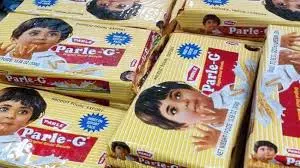
There are many ways a city says goodbye. Sometimes it does so with a formal press release, sometimes with a demolition notice pasted crookedly on a wall, and sometimes with silence….when a familiar smell simply stops floating through the air. The reported shutting down of a Parle-G factory feels like that third kind of farewell. Quiet. Almost polite. And yet devastating in the way only the end of a shared childhood can be.
Picture courtesy : Official website
The irony, of course, is delicious.…though not nearly as digestible.
For decades, Parle-G was the great equaliser. Rich or poor, north or south, vegetarian or otherwise, everyone knew that red-and-yellow wrapper. You could be five years old or twenty-five and clueless about your life. Parle-G didn’t judge. It never asked for context. It didn’t care whether you were eating it with milk, chai, or plain tap water at 2 a.m. because your stipend hadn’t come through. It simply showed up. Always affordable. Always filling. Always there.
When most people moved out of home for the first time, they carried ambition in one suitcase and fear in another. Somewhere between unpaid internships and first jobs that paid mostly in “exposure,” Parle-G became a survival strategy. A packet cost less than a cab ride, less than a bad decision at a café, less than the dignity one lost asking parents for “just a little more money.” You could stretch a packet across meals, crumble it into milk and call it breakfast, or eat it dry and tell yourself it was character-building. Which, in a way, it was.
Parle-G didn’t pretend to be fancy. It never rebranded itself as “artisanal,” never flirted with quinoa or sea salt. It stayed stubbornly beige, mildly sweet, and deeply comforting. While the world was busy chasing cream-filled, chocolate-dipped, protein-enhanced biscuits that required a financial plan, Parle-G remained loyal to the philosophy that food should first keep you alive and only then impress you.
And then there were the dogs.
Picture courtesy : Reddit
Any dog lover in India knows this universal truth: carry Parle-G biscuits, and you instantly become trustworthy. Stray dogs didn’t need introductions or small talk. They recognised value when they saw it. Crack a Parle-G in half, and you had loyalty for life. No premium dog treats, no imported chew sticks, just a humble glucose biscuit, softened with affection. Entire friendships between humans and dogs were forged over Parle-G crumbs on pavements. That alone should have earned it heritage status.
Mumbai, a city that thrives on reinvention, has always had a complicated relationship with its icons. Mills became malls. Bungalows became high-rises. Irani cafés became Instagram captions. Now, one of India’s most iconic biscuits quietly exits the stage, replaced not by something edible, but by something aspirational. Towers you look at, not taste. Homes you buy, not share. Progress that feels impressive, but never smells like tea and glucose on a rainy afternoon.
What makes this moment sting is not just the loss of a factory, but the symbolic end of a certain kind of India, one where simplicity wasn’t a marketing choice, and affordability wasn’t a compromise. Parle-G belonged to a time when brands didn’t have to shout their values; they lived them. It didn’t need a backstory because it was the backstory. Of childhoods, of hostels, of train journeys, of exam nights, of empty wallets and full hearts.
You could argue that the biscuit will live on elsewhere, that production will continue, that the brand is not dead. And you would be correct. But something intangible is still being lost. A physical anchor to collective memory. A reminder that before the city reached for the sky, it once paused for tea.
Perhaps that is what hurts the most. Not that towers are being built, but that something so modest had to make way for something so monumental. The quiet dignity of a biscuit giving way to the loud ambition of concrete. The end of an era measured not in profits, but in crumbs.
Picture courtesy : Instagram
Someday, someone will walk past those towers without knowing what once stood there. They will not imagine the workers, the smell of baking, the countless packets that travelled across the country to feed students, labourers, dreamers, and dogs. They will not know that on that very ground, survival once cost just a few rupees.
But some of us will remember. We will remember Parle-G not as a brand, but as a phase of life. One where hunger was real, money was tight, and comfort came wrapped in red and yellow. An era ending, yes but one that will always dissolve gently, like a biscuit in warm milk, in the collective memory of India.
Progress tastes expensive and slightly soulless.