Sankranthi, a vibrant harvest festival celebrated across South India, marks the Sun's transition into Capricorn, symbolizing renewal and community spirit. Each region showcases unique rituals, from bonfires in Andhra Pradesh to the iconic Pongal dish in Tamil Nadu, highlighting agrarian traditions and gratitude for the harvest.
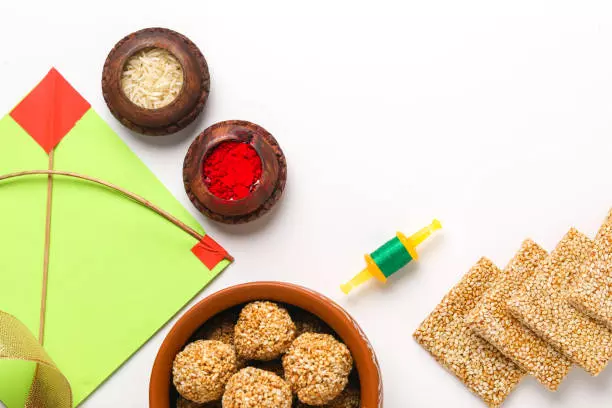
Sankranthi, the harvest festival marking the Sun’s transition into Makara (Capricorn), is one of the most widely celebrated festivals across South India. Rooted in agrarian traditions, it is a time of thanksgiving, renewal and community bonding. While the spirit of the festival remains the same, the rituals and expressions vary beautifully across regions.
In Andhra Pradesh and Telangana, Sankranthi is celebrated over four days with great enthusiasm. The festivities begin with Bhogi, when people light bonfires at dawn to symbolically discard old belongings and welcome new beginnings. Homes are cleaned and decorated with intricate rangoli or muggulu, often made with rice flour and flowers. Sankranthi day is dedicated to prayers, new clothes and elaborate festive meals featuring dishes like pongal, garelu and sweet rice. Kanuma, the third day, honours cattle, an integral part of farming life, with animals being bathed, decorated and worshipped. The celebrations conclude with Mukkanuma, marked by family gatherings and outdoor festivities.
In Tamil Nadu, the festival is known as Pongal and is celebrated over four days. Bhogi Pongal marks the start, focusing on cleansing and renewal. Thai Pongal, the main day, is centred around cooking the iconic dish pongal—a mix of newly harvested rice, milk and jiggery, traditionally prepared outdoors and offered to the Sun God. Mattu Pongal honours cattle, with cows adorned with bells, garlands and painted horns. The final day, Kaanum Pongal, is a time for social visits, picnics and strengthening bonds with friends and relatives.
In Karnataka, Sankranthi is celebrated as Makara Sankranthi with a strong emphasis on sharing and community harmony. People exchange ellu bella: a mixture of sesame seeds, jaggery, peanuts and coconut, symbolising sweetness, prosperity and togetherness. Homes are decorated with colourful rangoli, and sugarcane plays a prominent role in celebrations. Special prayers are offered, and families come together to enjoy festive meals.
In Kerala, Sankranthi is observed more quietly, with regional variations. In some parts, especially in the north, the festival coincides with local temple rituals and harvest-related observances. The emphasis remains on spiritual reflection, gratitude and seasonal transitions rather than large-scale celebrations.
Across South India, Sankranthi is deeply connected to the land, the harvest and the rhythms of nature. Whether through bonfires, sacred cooking rituals, cattle worship or simple acts of sharing, the festival reflects gratitude for abundance and hope for prosperity in the year ahead. Despite regional differences, Sankranthi unites communities in a shared celebration of life, renewal and continuity.

