Dr. Babasaheb Ambedkar : Visionary & Reformer

The architect of the Indian Constitution, who truely shaped the India after indipendence.
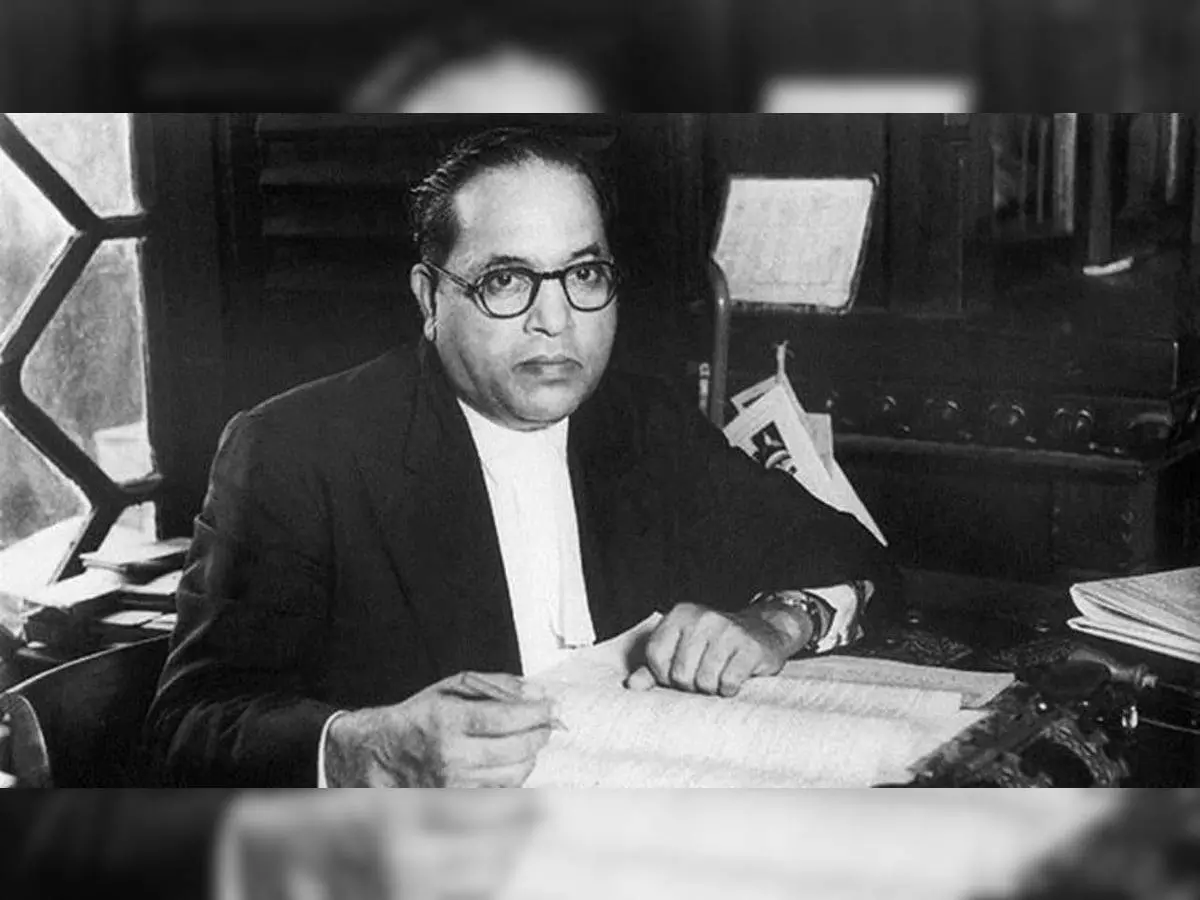
This year marks the 135th birth anniversary of Dr. Babasaheb Bhimrao Ramji Ambedkar. As the architect of the Indian Constitution, Dr. Ambedkar’s contributions as an economist and social reformer are immense. He is among the few political leaders who gave direction and shape to post-independence India. He was recognized not just as the Father of the Constitution and Law Minister, but as a prominent intellectual and a staunch advocate for feminist perspectives. He consistently championed women's rights movements and empowerment in India. Today, as we remember him, let us look at some of his inspiring traits:
1. Vision for Equality
Dr. Ambedkar envisioned a society built on liberty, justice, and equality for all. During an era when the status of women was barely discussed, he worked through legal and constitutional means to secure their position. His influence led to the passage of several pro-women laws, such as the Equal Remuneration Act of 1976 and the Dowry Prohibition Act of 1961. In the Bombay Legislative Assembly, he was a strong supporter of family planning for women, and as Labor Minister in the Governor General's Executive Council, he introduced the Maternity Benefit Bill in 1942. He ensured constitutional provisions for women’s welfare and universal adult franchise.
2. Passion for Reading
Beyond his vast thirst for knowledge and education, Babasaheb’s love for books was so great that he built his house in Mumbai, 'Rajgruha', specifically to house them. He had a personal collection of over 50,000 books. He famously said, "One whose reading is rich, their thoughts are rich."
3. The Three Pillars: 'Educate, Organize, and Agitate'
This was not just a slogan; it was a roadmap for social progress. He believed in educating oneself to become ideologically capable first. Through sheer hard work, he earned numerous degrees including B.A., M.A., Ph.D., M.Sc., D.Sc., Bar-at-Law, LL.D., and D.Litt. He was the first Indian to obtain a doctorate in Economics abroad and was the most highly educated Member of Parliament.
4. A Staunch Advocate for Women's Empowerment
Dr. Ambedkar introduced the 'Hindu Code Bill' to ensure dignity for women, advocating for their right to property, divorce, and education. His famous quote remains relevant today: "I measure the progress of a community by the degree of progress which women have achieved." He was a pioneer in securing equal rights and the right to live with dignity for women in India.
5. Mastery of the English Language
Dr. Ambedkar was exceptionally skilled at systematic analysis and writing. His profound books reflect this; while studying at Columbia University (USA) and the University of London (UK), he authored research-based texts in English. His systematic, evidence-based, and fresh perspectives on Economics helped him succeed in his higher studies and later in drafting the Constitution of India.
6. Economics and Nation Building
The Reserve Bank of India (RBI) was established based on the concepts and recommendations in Dr. Ambedkar’s thesis, 'The Problem of the Rupee: Its Origin and Its Solution'. His vision also laid the foundation for various dams, power projects, and the 8-hour workday for laborers. He was the architect behind the Damodar Valley Project, Hirakud, and Sone River projects.
7. Energy and Irrigation
To find solutions for energy production and hydro-electric systems, he established the Central Technical Power Board (CTPB) and introduced the Grid System to India. Much of India's economic foundation in irrigation and power is the result of his tireless effort and sharp intellect. In 1944, he appointed a special Irrigation and Waterways Commission. The electricity and water reaching households today is a fruit of his hard work.
Dr. Babasaheb Ambedkar's birth anniversary is not just occasion to remember him; it is a celebration of his thought and inspiration. His life is a magnificent journey leading from struggle to success and from ignorance to knowledge.