Beyond Protest: How CJP Is Mobilising Citizens Over India’s School Crisis

Instead of building a publicity-driven leadership hierarchy, the CJP has provided ordinary people with a collective platform, giving them the courage and opportunity to question authority directly. Across the country, citizens are actively seizing this opportunity
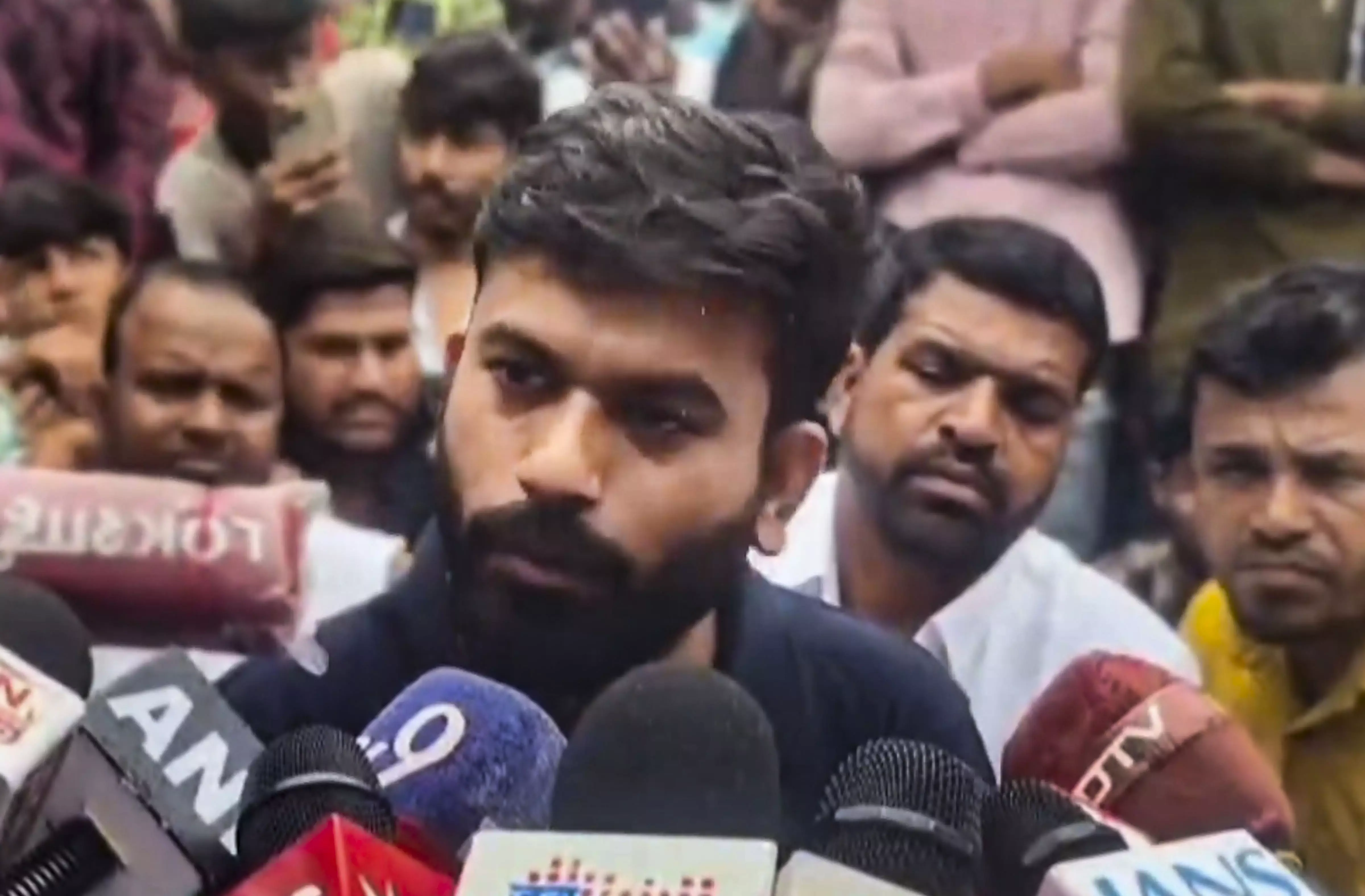
Years ago, Tamil blockbuster Mudhalvan, directed by Shankar, took the box office by storm. It was later remade in Bollywood, starring Anil Kapoor as an everyman hero who fearlessly confronted the ruling elite over public grievances -a role that became a massive hit. Long before Anil Kapoor, Amitabh Bachchan defined an era. Through early classics like Zanjeer and Deewaar, his angry young man resonated deeply with the masses. Both characters achieved iconic status because they gave form to what ordinary citizens secretly wished to see happen: a brave stand against injustice. Most people harbor a burning desire to speak up, yet real-world constraints mean few have the courage to stand alone.
Every so often, however, reality mirrors fiction. The Indian audience become proud citizens when they find real life versions - to whatever degree possible - of the ordinary man who speaks truth to power and walks the talk of caring about public welfare.
However, such fearless champions of the common cause are rare. Their movements gain real substance and momentum only when backed by massive public support. While India has no shortage of individuals involved in social work, very few are willing to openly challenge authority to demand answers for everyday citizens. It might appear that finally we are witnessing one such movement - led by Abhijit Dipke and the CJP (Cockroach Janata Party).
A movement is born
Following the NEET-UG paper leak controversy, the CJP launched a campaign demanding a complete overhaul of the education system and strict action against the culprits. Driven predominantly by students and young people, the movement naturally adopted the spirit of Gen Z. Harnessing modern social media platforms and digital tools with remarkable precision, these young activists executed a highly effective campaign, leaving Education Minister Dharmendra Pradhan with little choice but to step down.
Following their protest at Delhi’s Jantar Mantar, the CJP announced "Jantar Mantar Season Two," launching the School Theek Karo Abhiyaan (Fix the Schools Campaign). Conceived to address the deplorable state of government schools across India, the campaign aims to secure a better environment for the generation shaping the country's future. The initiative has struck a chord across the nation. Many who wished to join the Jantar Mantar demonstrations but could not are now taking the lead locally by exposing the dismal state of government schools in their areas.
Instead of building a publicity-driven leadership hierarchy, the CJP has provided ordinary people with a collective platform, giving them the courage and opportunity to question authority directly. Across the country, citizens are actively seizing this opportunity.
Through the School Theek Karo Abhiyaan, people have begun using social media to document and broadcast local issues. Viral videos created by youth and students in states like Maharashtra, Uttar Pradesh, Gujarat, Rajasthan, Bihar, Uttarakhand, Madhya Pradesh, and Tamil Nadu have brought the poor condition of government schools into the national spotlight. Awakened by the movement, citizens are taking notice, amplifying these concerns, and demanding action.
A moment of true citizen journalism
Years ago, Indian news organizations attempted to introduce the concept of "citizen journalism" from Western media. With the rapid expansion of social media platforms like Instagram and Facebook, self-expression is easier than ever, allowing citizen journalism to take deep root. As a result, video recordings of dilapidated government schools are pouring in from rural districts and urban centers alike. People are speaking out because they finally feel supported.
The current state of government schools and anganawadis is alarming. While a few well-maintained institutions exist, they remain rare exceptions. Beyond structural decay, these videos reveal a decline in the overall quality of education, teachers, and school administrators across India. The CJP serves primarily as a platform; the issues belong to the public, and the expectation is for citizens themselves to raise them. Today, citizen journalists are expanding their focus beyond education to highlight issues like roads, water supply, and electricity.
According to government data, India has some 10 lakh govt schools alongside nearly 7 lakh registered and known places of worship—While the pace of constructing religious sites continues to rise, tens of thousands of schools have shut down in recent years, accompanied by an estimated 2 to 3% decline in the teacher workforce. ( school data source: https://udiseplus.gov.in/#/en/home)
The crisis in public education extends deeper, affects directly into child health and nutrition. India continues to report high rates of child malnutrition, yet eggs - a key protein source - have been removed from mid-day meals in numerous schools. Despite severe malnutrition metrics, nutritious items are frequently replaced with sub-standard food, often cooked under unsanitary conditions that leave children ill. Recent reports highlight severe food safety failures in Bihar, including worms found in mid-day meals served at a school, and another instance where washing powder was accidentally used instead of salt, causing several students to fall ill and require hospitalization.
What next?
Education and healthcare are foundational to a country’s economic development. True national progress hinges on the financial well-being and physical health of its populace. India is currently in its "demographic golden period"- a window where the working-age population outnumbers dependents. For any developing nation, this demographic dividend presents a crucial opportunity. Nations that successfully capitalize on this window invest heavily and constructively in education and public health to secure long-term gains.
In India, however, expenditure in these vital sectors relative to GDP remains inadequate. Public funds are often underallocated, mismanaged, or diverted from their intended purpose. Through CJP’s movement, the stark reality of the public education system has been brought to light. Ordinary citizens are taking the initiative to show the government the ground reality, hoping that timely interventions will finally bring meaningful reform to government schools and anganawadis across the nation.