Youngsters, Pregnant Women Need More Precautions Against Varicose Veins

Doctors warn that sedentary lifestyles and pregnancy are increasing the risk of varicose veins among younger people and advise early precautions.
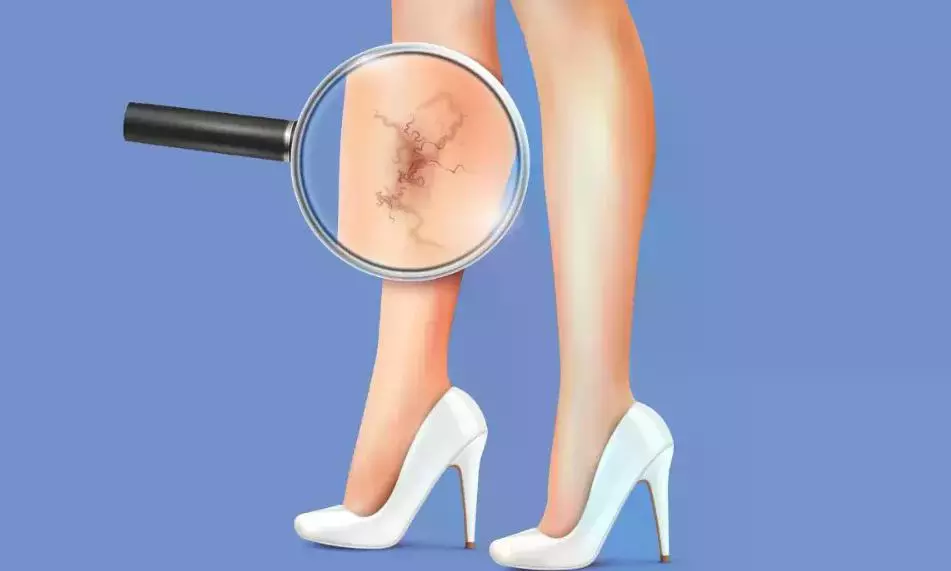
Youngsters and pregnant women need to take extra precautions against varicose veins, as the condition, once commonly seen among older adults, is increasingly being reported among people in their 20s and 30s. Doctors attribute the rise among youngsters largely to prolonged sitting or standing and sedentary lifestyles, while hormonal changes and increased blood volume during pregnancy make women more vulnerable.
Dr Narendranadh Meda, Vascular Surgeon, said people aged 25-35 were increasingly presenting with varicose veins. Prolonged sitting or standing without adequate movement can increase the risk, while regular walking and an active lifestyle can help.
Women are two to three times more likely than men to develop varicose veins, he said. During pregnancy, hormonal changes cause veins to dilate, while the growing uterus can compress them. The risk is particularly high during the last trimester.
Dr Meda advised pregnant women with ankle swelling or visible veins to consider using compression stockings under medical guidance. Class 1 compression stockings may help prevent swelling, while those with significant varicose veins may require stronger compression based on a medical assessment. Maintaining a healthy weight and staying physically active after pregnancy are also important.
Dr Sahaja Rao Aravelly, consultant vascular and endovascular surgeon and diabetic foot specialist, said the condition was no longer limited to people in their late 50s, with many youngsters now presenting with prominent varicosities in their 30s. Occupations requiring prolonged standing, including teaching and policing, as well as prolonged sitting with the legs in a dependent position, can increase the risk.
The doctors said varicose veins should not be dismissed as merely a cosmetic problem. They can cause pain, heaviness, swelling and skin changes and, in advanced cases, non-healing ulcers and superficial venous thrombosis. Early symptoms include visible or twisted veins, heaviness, dull aching pain by the end of the day, tiredness and night-time cramps.
They also cautioned against unproven treatments such as patches and leech therapy. They said early cases could often be managed with lifestyle changes and compression stockings, while advanced disease might require treatment. Newer treatment options include non-thermal ablation using medical adhesive to close the affected vein.
