WII Warns of Dangerous Chemicals in Godavari
Endocrine-disrupting chemicals (EDCs) found in high concentrations in fish in some stretches of the river in Telangana
HYDERABAD: The Wildlife Institute of India has rung alarm bells over the quality of water in Godavari river in Telangana warning that stretches of the river in the state had heavy metals above the permissible limits, and hormone impacting chemical compounds were found in high concentrations among fish.
According to findings by a team of WII scientists who studied the river as part of a larger national investigation into rivers and river waters, endocrine-disrupting chemicals (EDCs) were found in high concentrations in fish in some stretches of the river in Telangana. “These compounds interfere with the body’s hormonal system and pose serious health risks even at very low concentrations, especially when they bioaccumulate in aquatic organisms and enter the human body through consumption of contaminated fish. They are linked to reproductive problems such as reduced fertility, abnormal sperm quality, menstrual irregularities, and complications during pregnancy,” according to the WII scientists.
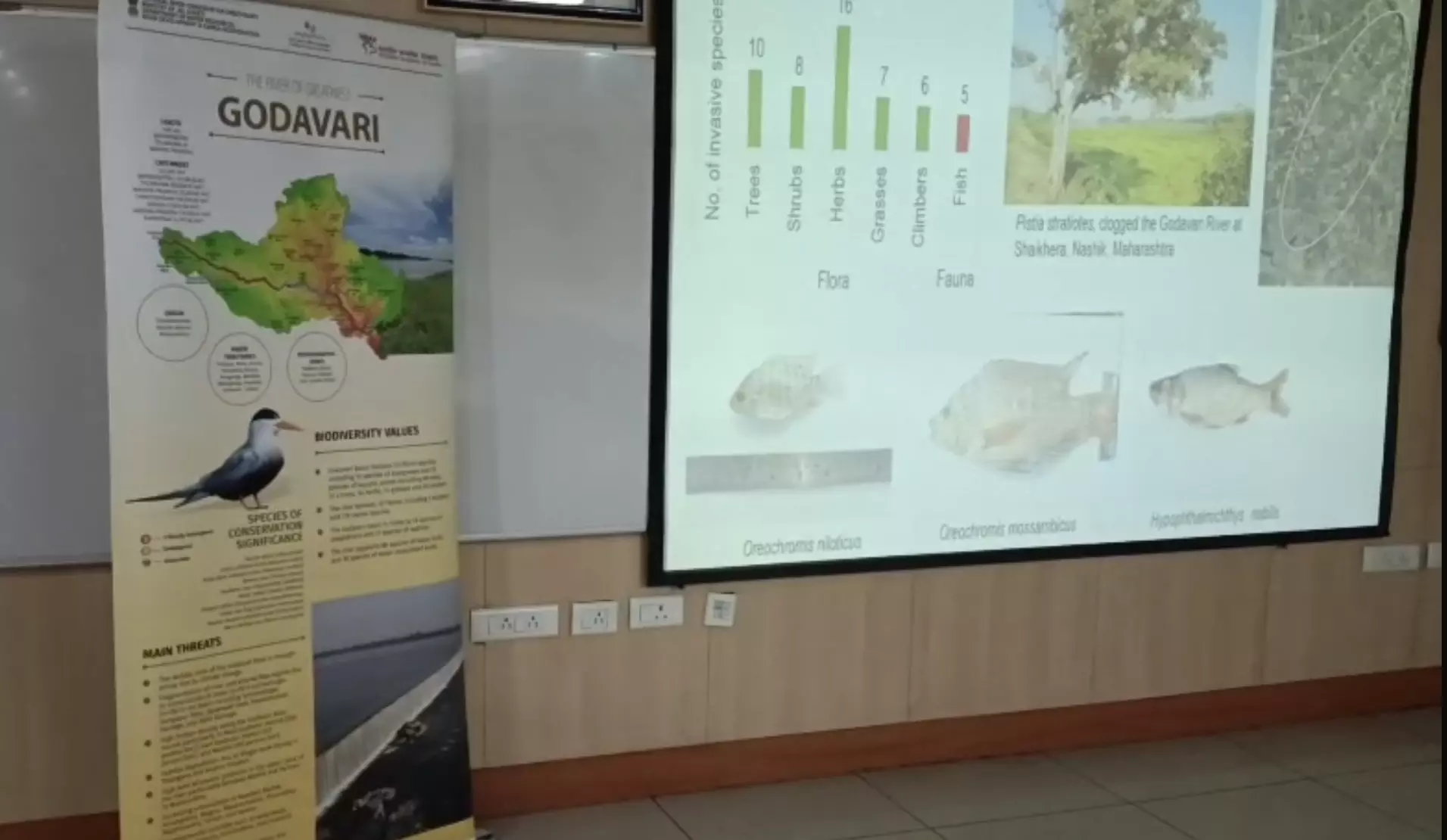
These alarming findings were discussed at a consultation workshop at the forest department headquarters that was attended by senior officials and scientists from the forest department, state pollution control board, Zoological Survey of India, Godavari River Management Board, and the Centre for Cellular and Molecular Biology on Monday. The WII study on assessing ecological status of Indian rivers for conservation planning covers Godavari in addition to Barak, Mahanadi, Narmada, Periyar, and Cauvery rivers.
According to Dr Ruchi Badola, Dean, WII, and Dr S.A. Hussain, senior scientist of the WII, another significant threat to the river is sand mining, which they said was common in Ramanakkapeta village in Mulugu district near Kaleshwaram, and near the Godavari-Sabri confluence. “This activity can lead to the destruction of riverine vegetation, bank erosion, pollution of water sources, and depletion of groundwater in wells,” they said.
According to the scientists, an ecological risk assessment identified an 18-kilometer stretch of the Godavari from Mukunur to Kanthanapally which includes “hotspot areas such as Mancherial and Peddapalli,” calling the stretch “an area of significant concern due to various types of pollution.” They said particular attention is required in these hotspot areas where the establishment or upgradation of the already proposed STPs and CETPs, coupled with regular monitoring, “will be critical for ensuring better river health management.”
To address these issues, strict enforcement of Zero Liquid Discharge (ZLD) policies, upgrading and establishing efficient effluent and sewage treatment plants, and promoting the use of organic fertilisers and natural farming practices across the riverscape are required, they said.
The WII study found that concentrations of heavy metals such as zinc, lead, and chromium exceed permissible limits in the river’s water. Also of significant concern are emerging contaminants (ECs), including Phthalates, which are plasticizers used in manufacturing, and these were found at significantly elevated levels in the water. “Additionally, Bisphenol A (BPA), a common EDC present in polycarbonate plastics and epoxy resins often used in food containers, is highly prevalent in the sediment. Although the bioaccumulation of heavy metals in aquatic life is not a major concern, the concentration of EDCs in fish is notably high, posing a serious risk to aquatic life and human health,” the WII scientists informed the meeting.
Principal Chief Conservator of Forests (head of forest force) Dr. C. Suvarna suggested that plantations of trees and grasses that can control the pollution should be taken up along the river banks, but expressed concern over sand mining which she said, if not practiced correctly, might even result in threats to various bridges and dams on the river in the future.
Among the other findings by the WII scientists was that the past introduction of invasive fish species has been contributing to the decline of biodiversity and ecological value in the river. “The presence of invasive fish species such as Tilapia and silver carp is also concerning. The Godavari River supports millions of people along its course, providing many ecosystem services and sustaining many globally threatened bird species such as the Great Knot, Indian skimmer, and Black bellied tern, and many fish like Wallago Attu,” they said.
Unquiet flows the Godavari
Dangerous endocrine disrupting chemicals finding their way into river;
18 km Mukunur to Kanthanapally stretch with Mancherial and Peddapalli identified as pollution hotspots;
Sand mining at dangerous levels near Kaleshwaram;
Heavy metals zinc, lead, and chromium exceed permissible limits;
Chemicals used in making plastic goods are found in high levels.
