Viral RNA May Trigger Molecular Changes Linked to Parkinson’s, Hyderabad Study Finds

The study, published in ‘Cell Reports’, examined how RNA viruses interact with a protein named alpha-synuclein, that forms what are called amyloid aggregates in the brains of people with Parkinson’s disease.
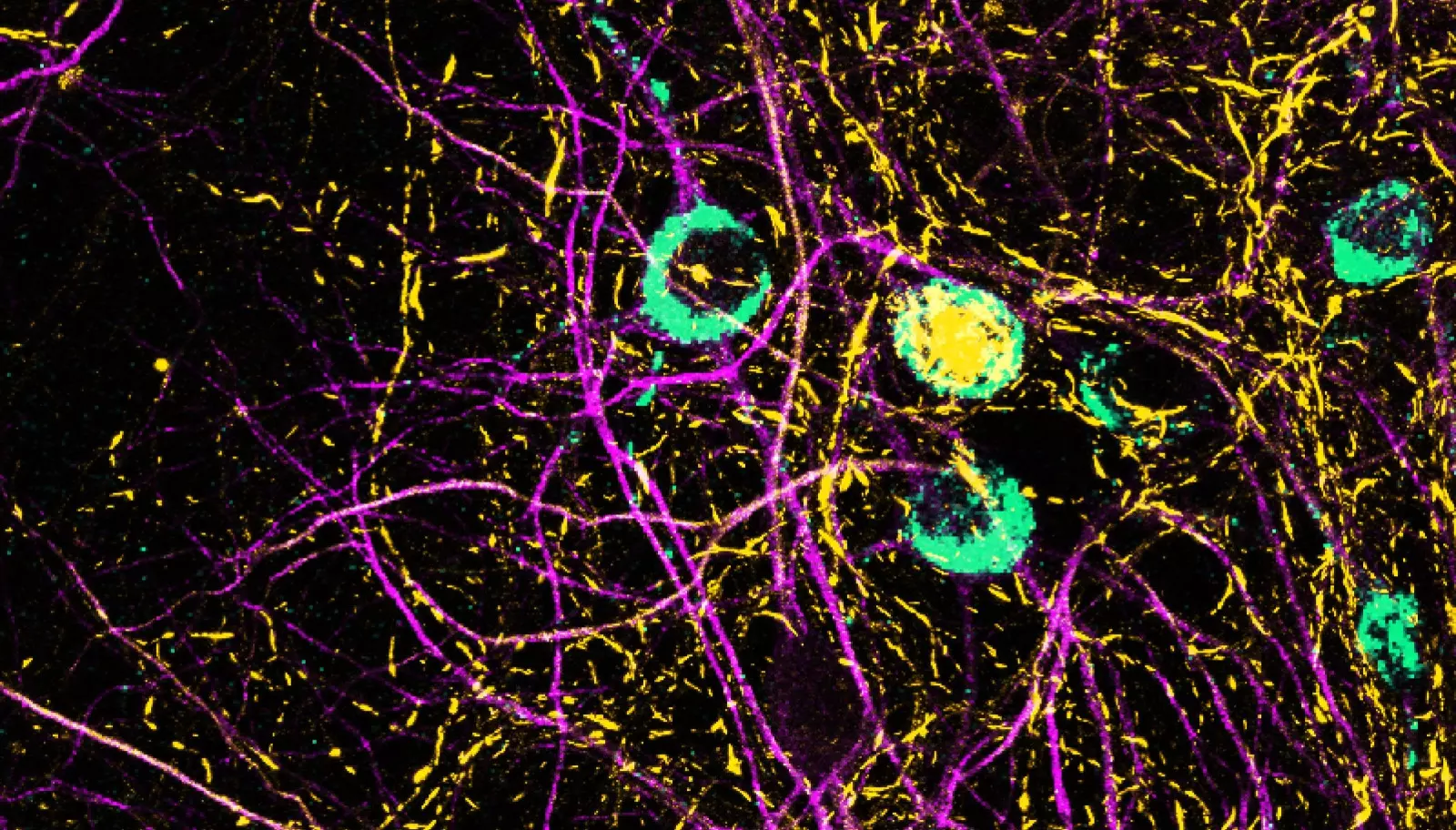
Hyderabad: Viral infections caused by influenza and SARS-CoV-2 may trigger molecular changes associated with the formation of protein aggregates linked to Parkinson’s disease, a study by researchers at the CSIR-Centre for Cellular and Molecular Biology (CCMB), Hyderabad, has found.
The study, published in ‘Cell Reports’, examined how RNA viruses interact with a protein named alpha-synuclein, that forms what are called amyloid aggregates in the brains of people with Parkinson’s disease.
The researchers identified a cellular mechanism involving the RNA helicase protein DDX39A that can counter this process.
Viral RNA can form specific three-dimensional structures known as RNA G-quadruplexes (rG4s). According to the study, these structures can interact with the alpha-synuclein protein and promote its aggregation in infected cells.
The study found that when cells were infected, DDX39A, a protein normally present in the nucleus of the cell, moved into the cytoplasm.
It bound to both viral RNA structures and alpha-synuclein and helped unwind the rG4 structures.
“This unwinding prevents the virus from efficiently replicating as its RNA structures are dismantled, thereby reducing the viral load.
At the same time, it slows down alpha-synuclein amyloid formation,” said Aanchal, first author of the study.
Researchers said the interaction represented a balance between mechanisms that helped cells control viral infection and processes that could promote protein aggregation.
Depending on the conditions inside the cell, one process could dominate over the other.
“Even if there are protective mechanisms in cells to prevent viral infections and avoid amyloid formation, there are situations that favour one kind of reaction over the other.
These decide the final outcomes in cells, and sometimes amyloid formation is accelerated in virus-infected cells,” said Dr Swasti Raychaudhuri, who led the study.
The researchers cautioned that the findings did not mean that every viral infection results in increased amyloid formation or neurodegenerative disease.
However, they were investigating whether repeated viral exposure could influence molecular processes associated with neurodegeneration.
The study provided a possible molecular link between viral RNA structures, alpha-synuclein aggregation and cellular antiviral responses.
The researchers said further work was needed to understand whether such changes following routine viral infections could contribute to Parkinson’s disease years later.
The team is now studying the molecular mechanisms in greater detail to determine how viral infections may influence processes involved in neurodegeneration.