Vets Warn Public Against Animal-Borne Infections Ahead Of Zoonosis Day

Ahead of World Zoonoses Day
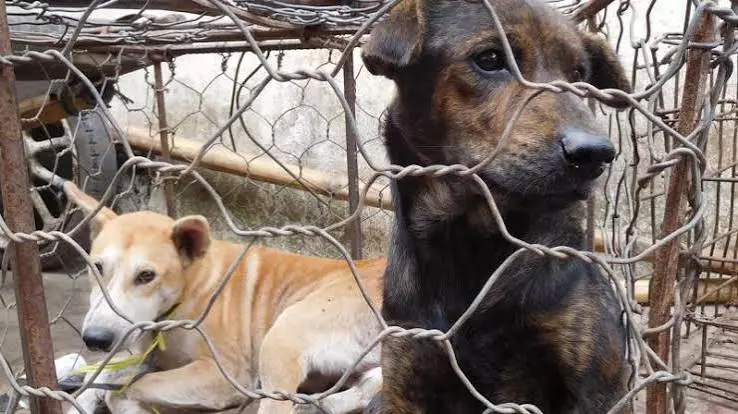
Hyderabad: Veterinary experts have cautioned the public against risks of infections from animals ahead of Zoonosis Day to be observed on July 6, highlighting low awareness about diseases transmitted from animals to humans. They said dog bites, bat bites and monkey scratches should not be ignored, as such exposure can lead to infections that may turn fatal if untreated.
“Diseases from domestic or pet animals can spread either through direct contact or indirectly by exposure to their hair, body fluids, excreta, secretions or contaminated materials,” veterinarians said.
The GHMC veterinary wing, along with animal welfare groups, is planning awareness programmes in schools. Government veterinary hospitals will administer free anti-rabies doses for pet animals as part of the initiative.
A veterinary practitioner said stray dogs brought in for Animal Birth Control (ABC) procedures are administered anti-rabies vaccines, but immunity requires a booster dose after 21 days, which is often not given. “The anti-rabies vaccine is effective for only one year,” the practitioner said.
Citing a study by the state animal husbandry department, officials said stray dogs are the primary reservoir of the rabies virus in India. Open garbage and random feeding contribute to their proliferation. The study noted that a female dog population can multiply significantly over time under such conditions.
It added that bites from monkeys, rodents or bats should be treated as suspected rabies exposure. Rabies is described as “100% fatal yet it is 100 per cent preventable.”
District veterinary and animal husbandry officer Dr M. Madhusudhan said zoonotic diseases could also spread through parasites and contaminated products. “Animals can carry internal and external parasites, which may directly affect humans or transmit other infections. Skin infections also commonly spread between humans and animals. Rabies is a deadly zoonotic disease transmitted by infected warm-blooded animals. World Zoonoses Day is observed every year on July 6 to raise awareness about diseases that spread from animals to humans,” he said.
He said infections could also spread through sewage-contaminated fodder and vegetables. “Diseases from domestic or pet animals can spread through direct contact or indirectly through their hair, excreta, secretions or contaminated materials. Sewage water may contain heavy metals, toxic chemicals and infectious organisms. Fodder grown with such water can carry these contaminants, which may enter milk and other livestock products. Vegetables cultivated using sewage water may also carry organisms such as amoeba, posing infection risks when used raw for garnishing. Apart from diseases, ferocious animals can also cause physical injuries through bites, kicks or butting,” he said.
He added that people working closely with animals, including farmers, butchers, veterinarians, laboratory staff and those handling hides and wool, face higher exposure risks. “Professionals who work closely with animals must be more cautious about zoonotic diseases. Those handling farm animals, butchers, veterinarians, veterinary support staff, laboratory personnel, and workers dealing with skin, hides and wool are at higher risk. Pigs are often considered reservoirs and mixing hosts for several infections, a concern widely discussed during encephalitis outbreaks,” he said.
