Dr Kaur noted a sharp rise in obesity among pets over the past five years. “More pets are living in apartments, getting limited outdoor time and are dependent on packaged or convenience foods.

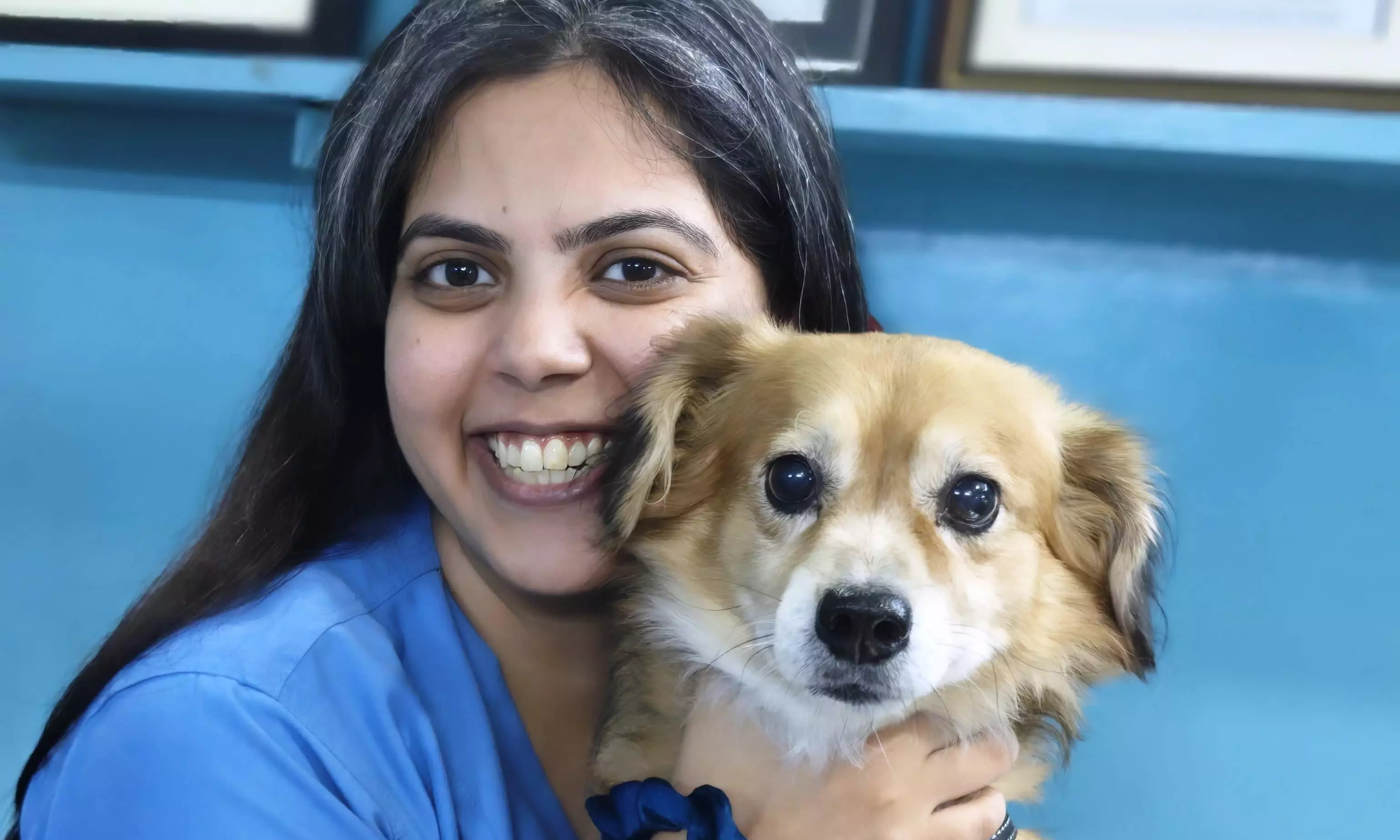

Hyderabad: When a dog’s waddle becomes endearing and a cat’s round belly earns Instagram likes, but behind the cuteness, a serious health issue could often go unnoticed: pet obesity. What appears to be harmless chubbiness can actually be a medical red flag.
Obesity in pets is a condition where excess fat puts strain on the body and increases the risk of multiple health problems. “If your pet is significantly heavier than their ideal weight and lacks a visible waistline, they may be obese. Obesity affects vital organs, stresses joints and can drastically reduce a pet’s quality of life and lifespan,” said Dr Jasleen Kaur, founder of Allvet Pet Clinic.
Yet, many pet owners fail to spot the warning signs. According to Dr Madhulika, pet nutritionist and CEO of Progressive Canines, symptoms include the inability to walk even for 10 minutes, sitting down or refusing to continue during walks and panting after mild exertion.
Certain breeds are genetically more prone to weight gain. Labradors, Beagles, Dachshunds, Pugs and Golden Retrievers tend to gain weight easily due to their low metabolism or high food motivation. For these breeds, strict dietary control and regular exercise are especially important.
Dr Kaur noted a sharp rise in obesity among pets over the past five years. “More pets are living in apartments, getting limited outdoor time and are dependent on packaged or convenience foods. Urban pets often lead more sedentary lives compared to their rural counterparts,” she said.
Age is another factor. Middle-aged and senior pets, especially those that are spayed or neutered, are more vulnerable to weight gain. “While sterilisation is important for health and population control, it also slows metabolism, making weight management harder,” Dr Kaur explained.
One of the most overlooked contributors to obesity is overfeeding—often driven by affection. Many pet owners unknowingly encourage weight gain through free feeding, overuse of treats, mixing human food with pet food or failing to adjust portions based on age, size and activity level. “A single treat can contain as many calories as an entire meal for a small dog,” Dr Kaur pointed out.
Feeding, especially in single-person or elderly households, is often emotional. “Treats become a way to bond or compensate for time not spent with pets. While well-intentioned, these indulgences quickly add up if not balanced against the pet’s daily calorie needs,” said Dr Madhulika. “Portion control is the most ignored issue. Many owners don’t adjust food based on the pet’s age, activity or health condition.”
Dr Kaur summed it up with a reminder: “Love your pet—but love them enough to keep them healthy.”
GFX
Exercise plays a critical role in managing weight.
Movement helps maintain joint health, prevents boredom and supports digestion.
A bored pet is more likely to eat out of frustration or habit.
Daily walks, playtime and interactive activities keep pets physically and mentally stimulated.
Activities like two to three daily walks, interactive games such as fetch, swimming, puzzle feeders for mental engagement and agility training, specifically beneficial for active breeds, are recommended.
Pet owners must consult certified trainers to build consistent and enjoyable exercise routines tailored to their pet's needs.
Veterinarians diagnose obesity using physical exams, weight-to-breed comparisons and a body condition score.
Treatment involves a structured weight-loss plan that focuses on gradual and realistic goals. Some pet owners hesitate to seek medical help out of guilt or assume the pet is 'just fine' until a health crisis hits.
Treating obesity-related conditions like diabetes or joint issues can require ongoing medication, monitoring or even surgery.

