US Visa Health Checks Alarm Indian Immigrants

Foreigners applying for US visas could be denied if they have chronic medical conditions, advanced age, or are likely to depend on public benefits.
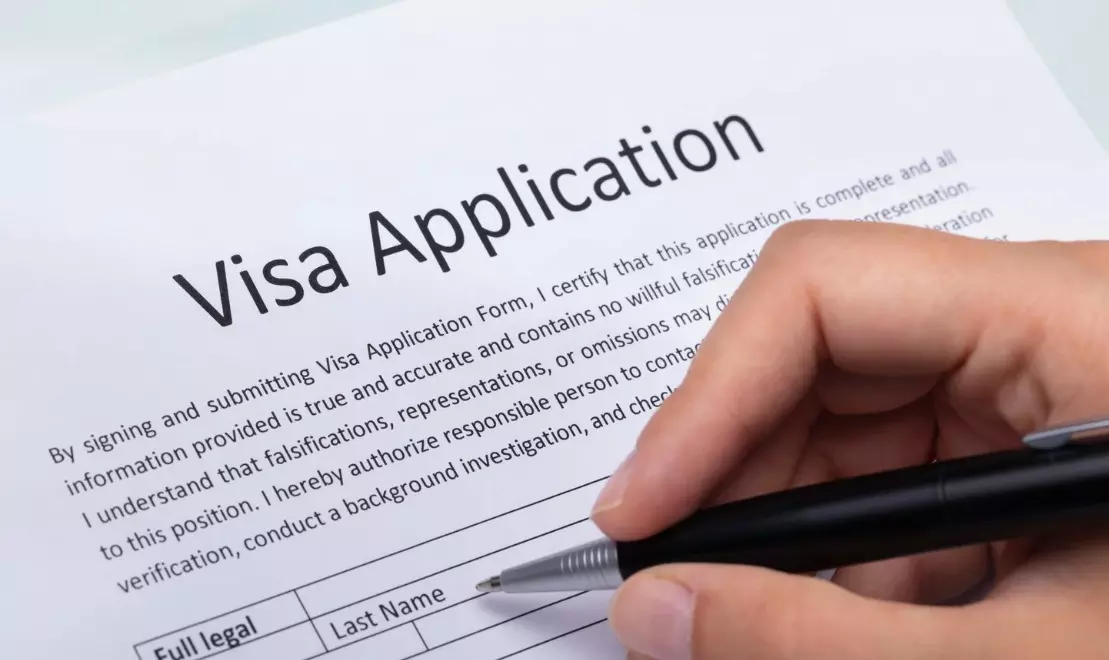
Hyderabad: Several Indian nationals in the United States have expressed alarm over new instructions issued by the US department of state (DoS) to visa officers at consular offices worldwide, asking them to consider an applicant’s chronic health conditions — including diabetes, obesity, cardiovascular disease and even age — while deciding if the person might become a “public charge” after moving to the US.
A report by KFF Health News stated that foreigners applying for visas could now face rejection if they suffer from certain medical conditions. The report said that the DoS has also directed visa officers to assess whether applicants are financially capable of paying for their medical treatment without relying on public funds.
Traditionally, visa-related health checks focused on communicable diseases and vaccination records. However, under the new guidelines, consular offices can now factor in chronic, non-communicable illnesses such as obesity while making decisions.
Visa officers have been advised to examine whether an applicant or dependents have medical conditions that “can require hundreds of thousands of dollars’ worth of care,” and whether they can afford such treatment without government assistance.
The development has created widespread anxiety among the Telugu-speaking community and other Indian groups in the US on study, work and family visas. “I came here to build a life. I underwent my physical evaluation when I arrived on an F-1 visa, but now they can reject my renewal if I have diabetes,” said Rohith Reddy, a Hyderabad-based graduate pursuing studies in Texas.
Another NRI, who preferred anonymity, said, “I got my H-1B and was planning to bring my diabetic mother here so I could care for her. I don’t know if that’s possible anymore. It’s completely up to the visa officer now.”
Most immigrants on temporary or employment-based visas are ineligible for federal healthcare benefits such as Medicare, Medicaid, or other public assistance programmes. They are required to purchase private health insurance or bear medical expenses personally. Even Green Card holders face a five-year wait before qualifying for Medicaid in most states.
“We contribute to taxes, including Medicare, yet we can’t use those services. Even then, they reject applications on the assumption that we’ll rely on public healthcare, which we’re not even eligible for. It’s absurd,” said the NRI.
Immigration consultants and advocacy groups say the new advisory could be used to tighten visa approvals. Although the directive technically applies to all visa categories, they believe it will be most strictly enforced in permanent-residence cases.
What new US visa health rule says-
Foreigners applying for US visas could be denied if they have chronic medical conditions, advanced age, or are likely to depend on public benefits.
The guidance mentions diseases such as cardiovascular and respiratory ailments, cancers, diabetes, metabolic and neurological disorders and mental health conditions.
Visa officers have been told to factor in obesity, as it can lead to asthma, sleep apnea and hypertension.
Consular officials must assess whether an applicant can afford long-term, costly treatment without relying on US government assistance.
The health and special-care needs of dependents — including children and elderly parents — may also be weighed, especially if they affect the applicant’s ability to stay employed.
Officers will determine if the applicant’s financial stability is sufficient to cover medical costs privately.
Source: KFF Health News report citing a state department cable to US embassies and consulates.
