According to UoH, the court referred to a 2016 special issue of Economic and Political Weekly on human trafficking edited by historian Geraldine Forbes, which emerged from discussions at the Women’s World Congress hosted by the university in 2014.
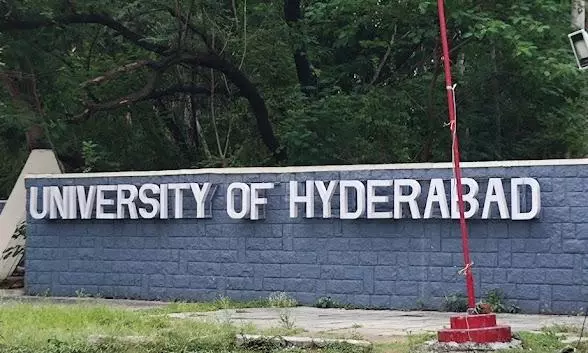
Questions raised by social science researchers nearly a decade ago on trafficking, rehabilitation and survivor autonomy have found mention in a recent Supreme Court judgment, the University of Hyderabad (UoH) has said.
The judgment in ‘Prajwala vs Union of India’, delivered on May 29, stemmed from a 2004 public interest litigation filed by Hyderabad‑based anti‑trafficking organisation Prajwala. It sought stronger legal protections, rehabilitation measures and institutional accountability for victims of trafficking and commercial sexual exploitation.
According to UoH, the court referred to a 2016 special issue of Economic and Political Weekly on human trafficking edited by historian Geraldine Forbes, which emerged from discussions at the Women’s World Congress hosted by the university in 2014.
The works of Dr Barnali Das, a UoH alumna, and Prof. Ajailiu Niumai were among those acknowledged. Dr Das examined conditions in shelter homes in Assam, raising questions about autonomy in rehabilitation, while Prof. Niumai’s research on trafficking in Manipur highlighted social exclusion and regional marginalisation.
The judgment stressed that rescue operations alone do not guarantee justice, noting survivors continue to face poverty, stigma, trauma and re‑trafficking. It underlined the importance of dignity and fundamental rights in rehabilitation, calling for survivor‑centred approaches, legal aid and strengthened Anti‑Human Trafficking Units.
Prof. Niumai said the citation of the research shows how academic scholarship can shape wider legal and policy debates. The university described the development as an example of research influencing public discourse on rights, dignity and justice.

