Workers Cooperatives Started with 37 Paisa Investment Recruit 18,000

Today, that small dream has grown into one of the largest worker cooperatives in Asia, employing over 18,000 people.
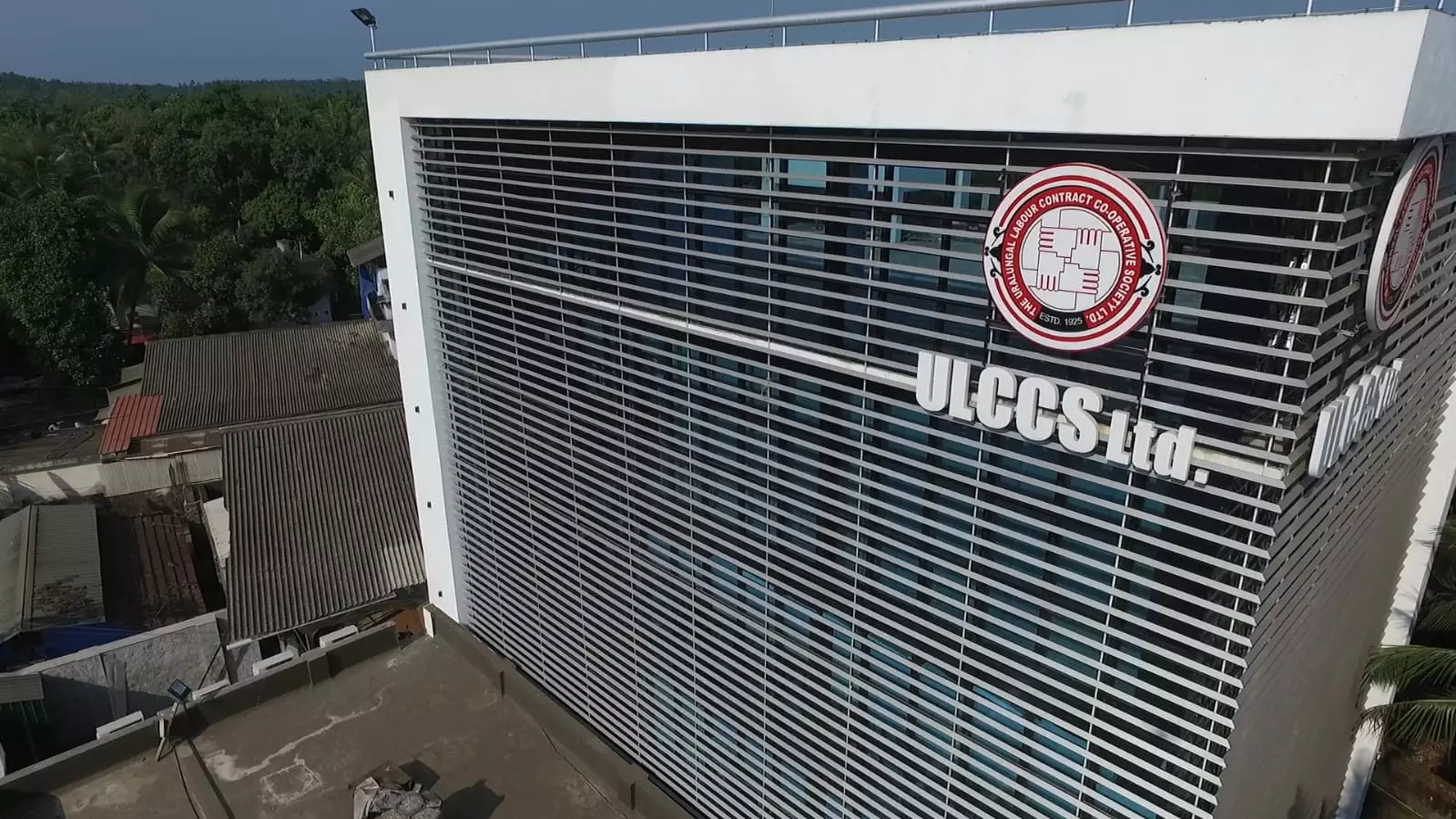
Hyderabad: A century ago, in a quiet village called Uralungal in Kerala’s Malabar region, 14 young men came together to fight caste discrimination. Inspired by a speech by social reformer Guru Vagbhatananda, they believed that justice, dignity, and honest work could bring change. With just 37 paisa in hand, they laid the foundation of the Uralungal Labour Contract Cooperative Society (ULCCS) in the 1920s. Today, that small dream has grown into one of the largest worker cooperatives in Asia, employing over 18,000 people.
Chairman Rameshan Paleri, who has led the cooperative since 1995, says the spirit of standing up for what’s right remains central to ULCCS. “There was a time when caste discrimination was at its peak. The advice was to bring good opportunities, job opportunities and along with that, raise your voice against injustice,” he said. He reflected that ULCCS is more than just roads and buildings. It’s about people, art, care, and giving everyone a chance to live with dignity.
On the sun-drenched shores of Kovalam lies Kerala Arts and Crafts Village (KACV), an initiative by the Department of tourism, Government of Kerala is designed and developed by ULCCS. It is a haven for artisans and a tribute to Kerala’s traditional craftsmanship. Spread over 8.5 acres, the village is home to 100+ skilled artisans and as many studios, each showing the grace of handlooms, carvings, and centuries-old art forms.
KACV is more than an emporium, it’s a cultural movement with a mission- eliminate exploitative middlemen and ensure fair wages. “The basic idea of this campus is to promote the artisans and eliminate unhealthy marketing practices,” explained ULCCS PRO K. Manoj Kumar. By implementing fixed pricing and commission-free sales, artisans regain autonomy over their art and income.
Organic honey, traditional spices, handmade Vinayaka statues, Kerala drums, and crafts from different parts of India, all find space on the shelves. “Each and every product we select is based on tradition and quality,” says KACV Business Development Manager N. Satheesh Kumar.
More than craft, KACV is also promoting responsible tourism. Events like the Indonesia Indie Music Festival have globalised its vision. A Kalaripayattu academy, led by Meenakshi Gurukal, sees that the traditional martial arts are kept alive through rigorous teaching.
The village sustains itself through a smart business model, using rental income from its auditorium and restaurant to support operations, proving that cultural conservation can be both community oriented as well as sustainable.
A few hundred kilometers away in Iringal Village, Kozhikode district, Kerala, another ULCCS project gets life into traditional skills, Sargaalaya, a rural tourism initiative and national award-winning Kerala Arts and Crafts Village, sponsored by Department of tourism, Government of Kerala is developed and managed by ULCCS.
Developed on a quarry site, Sargaalaya supports over 1,000 artisans and hosts the largest handicraft expo in South India, which is the Sargaalaya International Crafts Festival. The 2025 edition is expected to include artisans from 24 states and 15 countries.
At its heart are 27 live demonstration units where crafts are not just displayed but made in real-time by providing immersive education for tourists and students. Design interns from NIFT and Pearl Academy regularly work with artisans to modernise designs while respecting their roots.Here, more than 100 artisans work full-time, showing visitors how traditional crafts are made from mats and metalwork to wooden carvings and clay sculptures.
Ayappan, an 80-year-old artisan, sits patiently weaving a mat out of Kora grass. He has been doing this since he was 18. “This is a traditional thing. I learnt it because it was coming from my family. My wife and I also make these mats. I don’t want to stop it because I love this job,” he said with pride.
Ayappan’s mats are special. They use natural dyes, red from the pathimugam tree and black from mud. These mats are part of UNESCO’s heritage list. “Without a design, it takes 2-3 days to make one mat. With designs, it can take up to a week,” he explained.
Rajesh T. K., the Senior General Manager, said, “We bought Ayappan back after retirement because of his passion. He has over 55 years of experience. This is what makes Sargaalaya unique.”
Another artisan, Vasudevan Chithil, showed his metal engraving art. One of his pieces, the Sita Apaharan scene from the Ramayana, is beautifully carved on copper using just a hand chisel. “I started this during my diploma in geometrical design,” he said. He even received a state award for engraving the entire Ramayana on copper.
Suresh, a woodcraft artist, carved majestic elephants out of Karimerith wood. A giant 9-foot wooden elephant was carved by him, which took around 3 years to make. One of the most inspiring stories at Sargaalaya is of Arun A.K., a deaf and mute sculptor. Born to a poor family, Arun didn’t let his disability stop him. He went to a special school and later studied fine arts. Now, he makes beautiful sculptures from clay and received many awards for his work.
“Many younger generations are participating in our workshops. To keep the art and craft alive, more organizations like Sargaalaya should come up, only then we can sustain these livelihoods and bring new generations through the craft sector, ” said Rajesh T. K. He also said that they were providing livelihood and a lot of opportunities to all their workers.
For adults with intellectual disabilities, life after age 18 often becomes a void. UL Care Nayanar Sadanam in Kozhikode fills that gap. Launched in 2015, the center now trains over 140 individuals in craft-making, packaging, hygiene product creation, and basic job skills. Many now work in hospitals, canteens, and shops across the city.
To join the center, people need to be over 18 and have a disability certificate. They prioritise families with greater financial needs. Each person undergoes a detailed assessment to find the right job training. The training is individualised because "each and every person is entirely different."
Dr. M. K. Jayaraj, Director of ULCCS foundation mentioned that while other places might offer "sheltered employment," they focus on finding jobs in the regular workforce. The jobs they look for are usually repetitive and not too complicated or dangerous. They have found many such jobs available.
A similar initiative, Sargasheshi, focuses on empowering women with Down Syndrome through handicrafts and entrepreneurship. The women are not seen as beneficiaries, they are creators, workers, and contributors to the community.
On the other hand, in a world where the elderly often vanish into invisibility, Madithattu in Vatakara offers a different vision, one of laughter, learning, and community. This day-care center for senior citizens provides holistic care like medical checkups, physiotherapy, meals, and psychological support. But what makes it unique is its spirit in film screenings, art workshops, literature circles, and intergenerational programs with schoolchildren.
“We believe aging should be joyful, not painful,” says Dr. Jayaraj. “Some of our members who once refused to speak now sing, dance, and even write poetry.”
Through its Community-Based Rehabilitation Project, ULCCS has extended elderly care to over 2,500 people across four gram panchayats. All services, including medicines and physiotherapy, are provided free of cost. Self-sustainability is ensured through revenue-generating arms like a medical lab and pharmacy.
While ULCCS has branched out into areas like IT, tourism, and education, it hasn’t forgotten its core goal, that is fighting injustice and creating jobs.
