Trump's gender order sparks concerns in Hyd

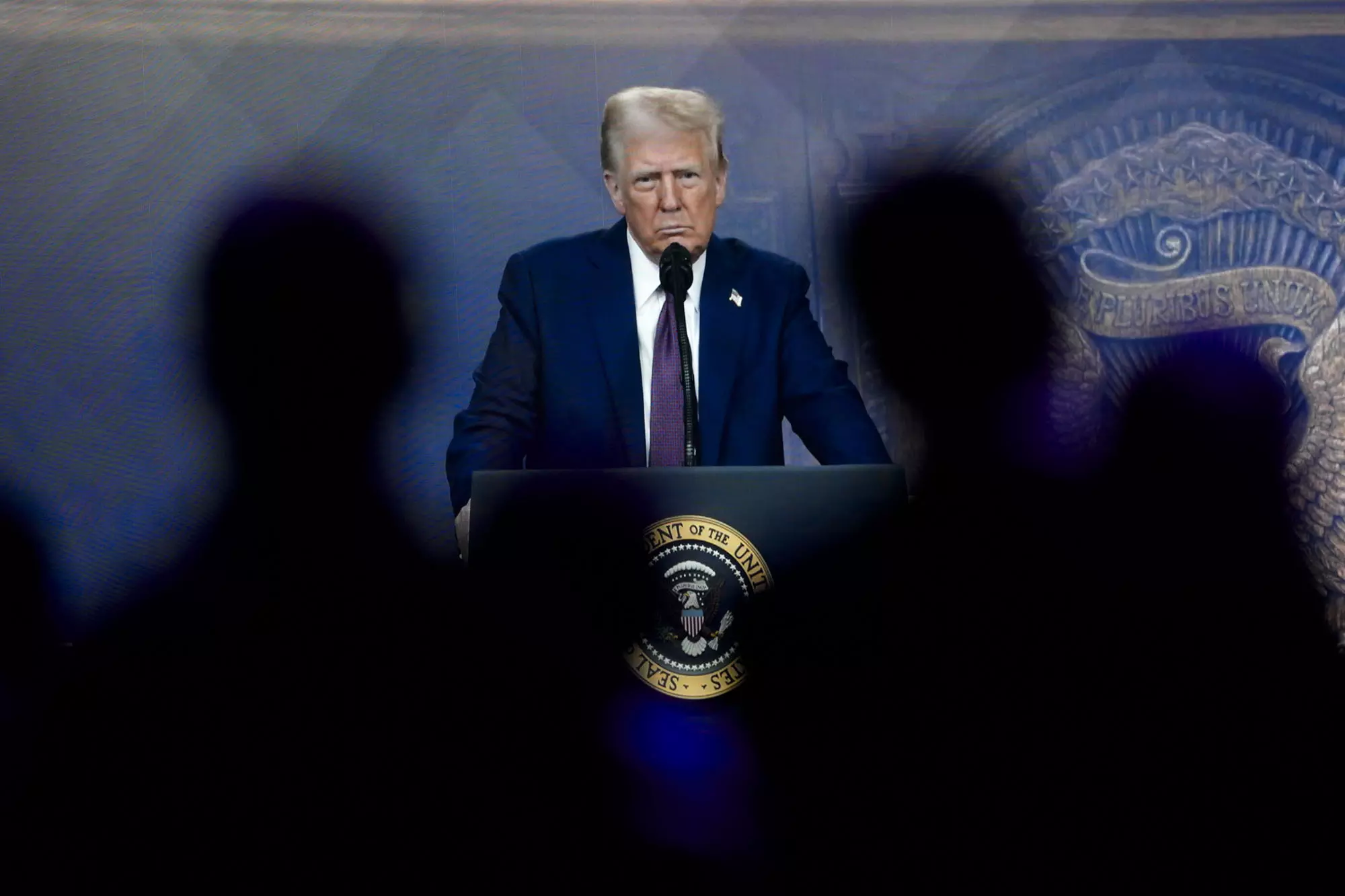
Hyderabad:US President Donald Trump signed an executive order named "Defending women from gender ideology extremism and restoring biological truth to the federal government” which mandates that the US government will officially now recognise only two genders, male and female, a simplification that might have severe consequences worldwide.
As per the new order, federal documents must now have a person's sex assigned at birth. The "X" marker, introduced for those outside the binary, is gone. Federal funds for gender-affirming healthcare stopped and transgender women are to be housed in male prisons.
“How can he stop medication? What about those already halfway? Should they just die?” asked Mala Mukunda, founder of Queer Bandhu Parents Association.
The implications stretch beyond American borders. In Hyderabad, Patruni Chidananda Sastry, an artist and LGBTQIA+ activist, sighed at the order’s cruelty. “Since I realised he would be the President, I’ve been scared,” Sastry admitted, adding, “Corporate workplaces here mimic the West. The moment federal inclusion policies are dismantled there, Indian workplaces will cut DEI (Diversity, Equality and Inclusion) programmes too.”
Sastry warned of the wider fallout, including the disappearance of corporate support for queer artists and CSR projects. “We’ve seen progress in India by learning from the US, but if their rights are stripped, what happens to us?”
Trump’s rhetoric is hard-hitting especially in social media campaigns. Sastry pointed out the fake videos and bizarre claims like people identifying as cats or dogs that were designed to ridicule non-binary and transgender people.
“This strategy is intentional. It creates doubt, confuses people about gender and sex, and perpetuates hate. In India, too, unless we’re talking about hijra culture through a religious lens, we’re mocked. Pronouns are ridiculed; safe spaces online are now breeding grounds for policies that hurt us.”
The term gendercide, used by Indigenous historian Deborah A. Miranda, also resurfaced in conversations about Trump’s policies. It describes the systemic erasure of gender identities deemed "unacceptable". Kahlil Greene, a historian and activist, pointed out how colonisation relied on such erasures. Spanish colonists brutally massacred two-spirit individuals they could not categorise.
In the Indian context, Patruni said, “Historically, if you see the concept of two energies—half man and half woman (Ardhanariswar), is part of our culture. But colonisers erased this. Now we must reclaim that narrative and resist.”
On a similar note, Mala Mukunda added, “People keep saying this is Western culture, but this is actually Indian culture. The revulsion is a result of colonisation. But, since America was progressing in its inclusivity, a lot of youth from here went there to live freely. But who will protect them now?”
The question of protection loomed large. Mukunda called on Indian leaders like external affairs minister S. Jaishankar to address the impact on Indian citizens abroad. She also pressed for stronger enforcement of inclusivity in Indian branches of multinational corporations. “Telangana and Tamil Nadu have been proactive, but the central government must insist MNCs act responsibly.”
While the order takes the guise of "protecting women," its intent is transparent, Patruni said. “Fear has long been used to control marginalised communities because they retaliate. This is a template we have seen before. When Trump suppresses queer rights, it’s not just about us. It’s about silencing movements, silencing everything that retaliates or resists,” Sastry noted.
