Tribals in Mulugu Continue 3,500-Year-Old Burial Rituals

The community still follows ancient burial practices, including building memorial stone pillars — dolmen-like stone structures — at sites over the deceased
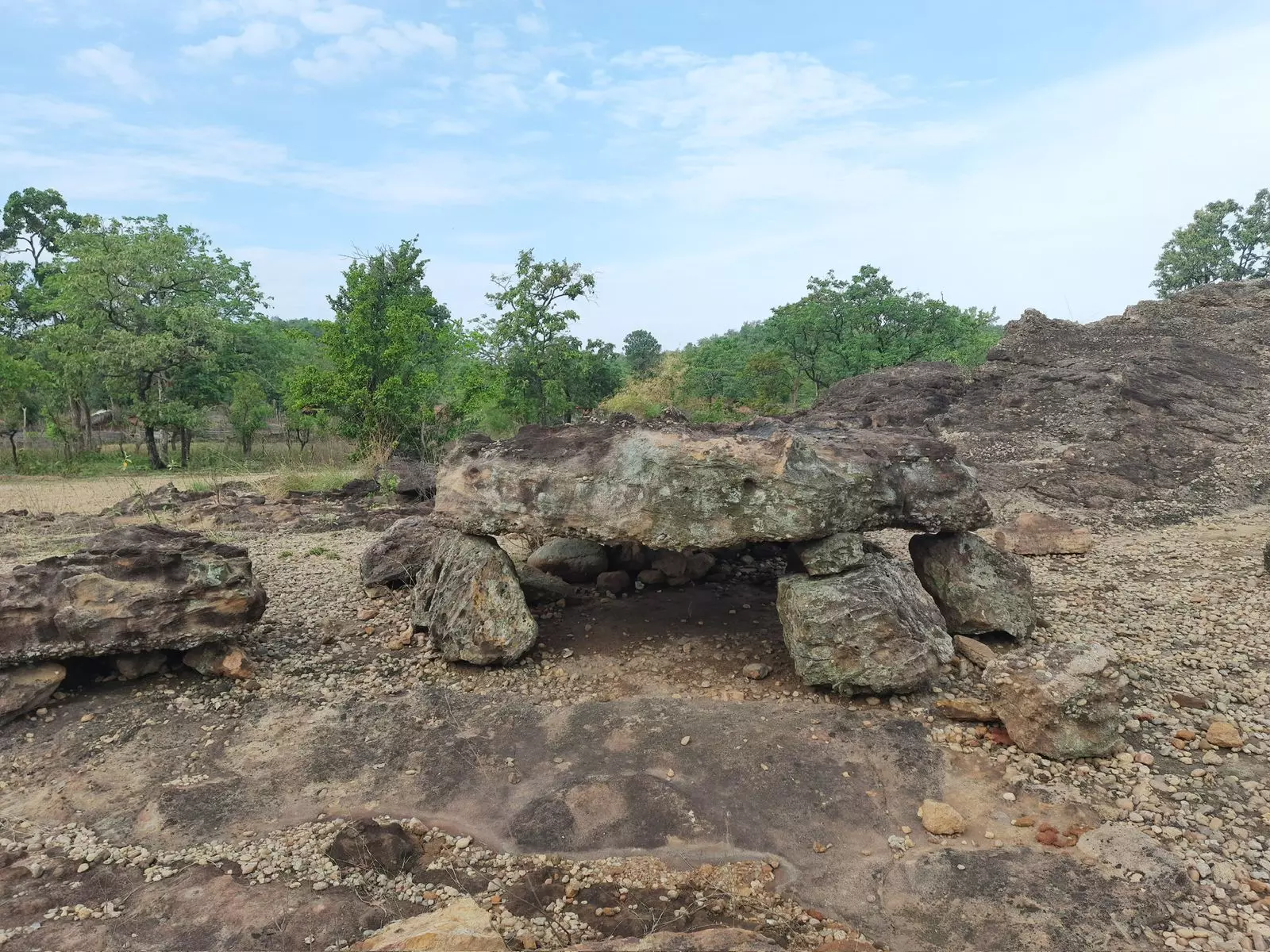
Hyderabad: Despite the steady spread of modernisation and global influences into remote tribal regions, the Gutti Koya tribes in parts of the Mulugu district continue to preserve ancient burial customs, which are believed to date back nearly 3,500 years or the Megalithic period.
The community still follows ancient burial practices, including building memorial stone pillars — dolmen-like stone structures — at sites over the deceased. These practices closely resemble burial methods associated with early humans. However, elders in the community say the size of the tomb is determined by the deceased's stature and reputation within the tribe.
Funeral ceremonies are continued to be conducted with all members of the tribe taking part, regardless of personal disputes or differences. A special ceremony is held to commemorate the ancestors. This event is known as the ‘Pedda Guptayi Festival’, and the entire village proceeds to the ancestral burial grounds. A feast consisting of mahua liquor and meat is hosted for the villagers.
Speaking to Deccan Chronicle, Santhosh Isram, a youngster from Narlapur, said many customs have been preserved by the tribes for thousands of years. The ancient burial sites, he said, are wrongly referred to as Rakshasa Guhalu and should instead be recognised as memorials of the ancestors.
The Godavari river basin region in Mulugu district is home to ancient burial sites and reflects the existence of early humans, lifestyle and traditions. Several ancient burial sites can be found across the Eturnagaram Agency area particularly in Damaravai, as well as in Jaggaram, Gangararam, and other surrounding villages.
