Tourism Stress Alters Tiger Breeding: CCMB Study

Researchers analysed 610 genetically confirmed tiger scat samples using non invasive methods to study stress and reproductive hormone levels: Reports
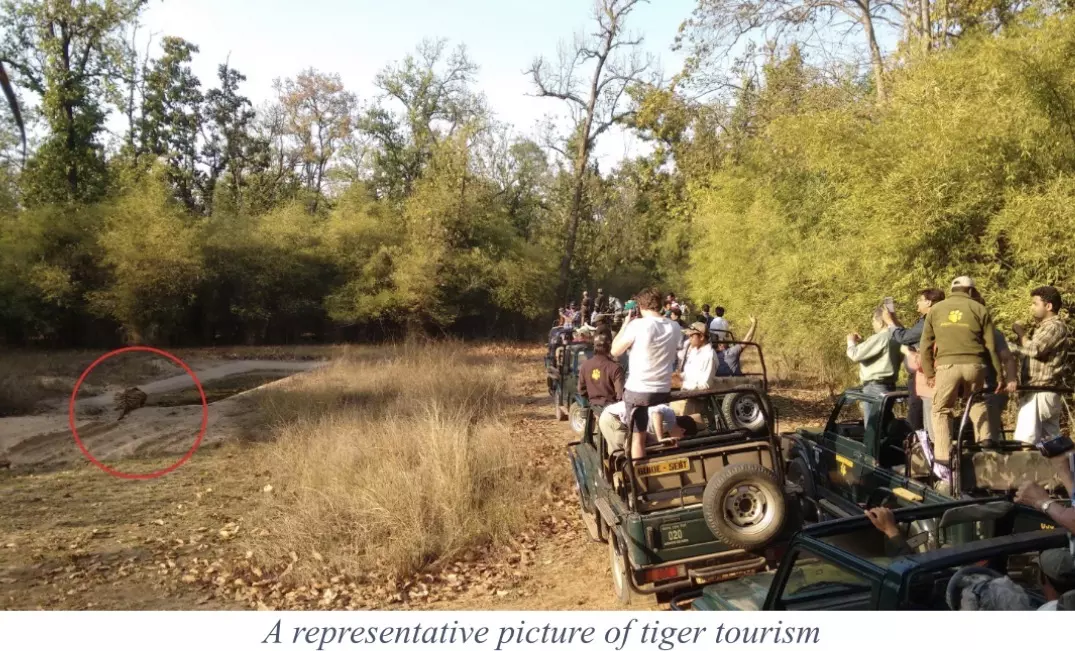
HYDERABAD: Tourism activity and growing human presence inside tiger reserves are increasing stress levels in tigers and affecting where tigresses choose to breed, according to a new study led by Hyderabad’s CSIR‑Centre for Cellular and Molecular Biology (CCMB).
Published in the Animal Conservation journal of the Zoological Society of London, the study tracked stress and breeding patterns across Corbett (Uttarakhand), Tadoba‑Andhari (Maharashtra), Kanha and Bandhavgarh (Madhya Pradesh), and Periyar (Kerala) between 2020 and 2023.
Researchers analysed 610 genetically confirmed tiger scat samples using non‑invasive methods to study stress and reproductive hormone levels. Tigers living close to tourism roads and disturbed areas consistently showed higher stress hormone levels.
A key finding was that tigers in protected core zones showed sharper stress responses to tourism than those in buffer zones. Buffer‑zone tigers appeared more habituated to human presence, while core‑zone tigers experienced sudden stress spikes during seasonal tourism, particularly in Tadoba and Bandhavgarh.
“Tigresses prefer to breed in quiet parts of forests. However, it is becoming difficult to find such suitable areas,” said Dr G. Umapathy, chief scientist at CCMB, who led the study. He warned that stress not only lowers reproductive success but could also affect cub growth and development.
The researchers said the findings challenge the assumption that core areas are always low‑stress refuges. They recommended stricter regulation of tourist vehicle numbers, reducing crowding during sightings, shortening safari durations, creating water bodies away from tourism routes, and strengthening management in disturbed buffer zones.
“We are not arguing against wildlife tourism,” Dr Umapathy said. “But tourism regulation needs to be guided by what the animals are telling us through their physiology.”
CCMB director Dr Vinay Nandicoori said the findings could help improve tiger reserve management and protect breeding habitats.
