Textile Clusters To Gain From Recycling Roadmap

New roadmap could spur recycling investments and green jobs across Telangana’s textile clusters
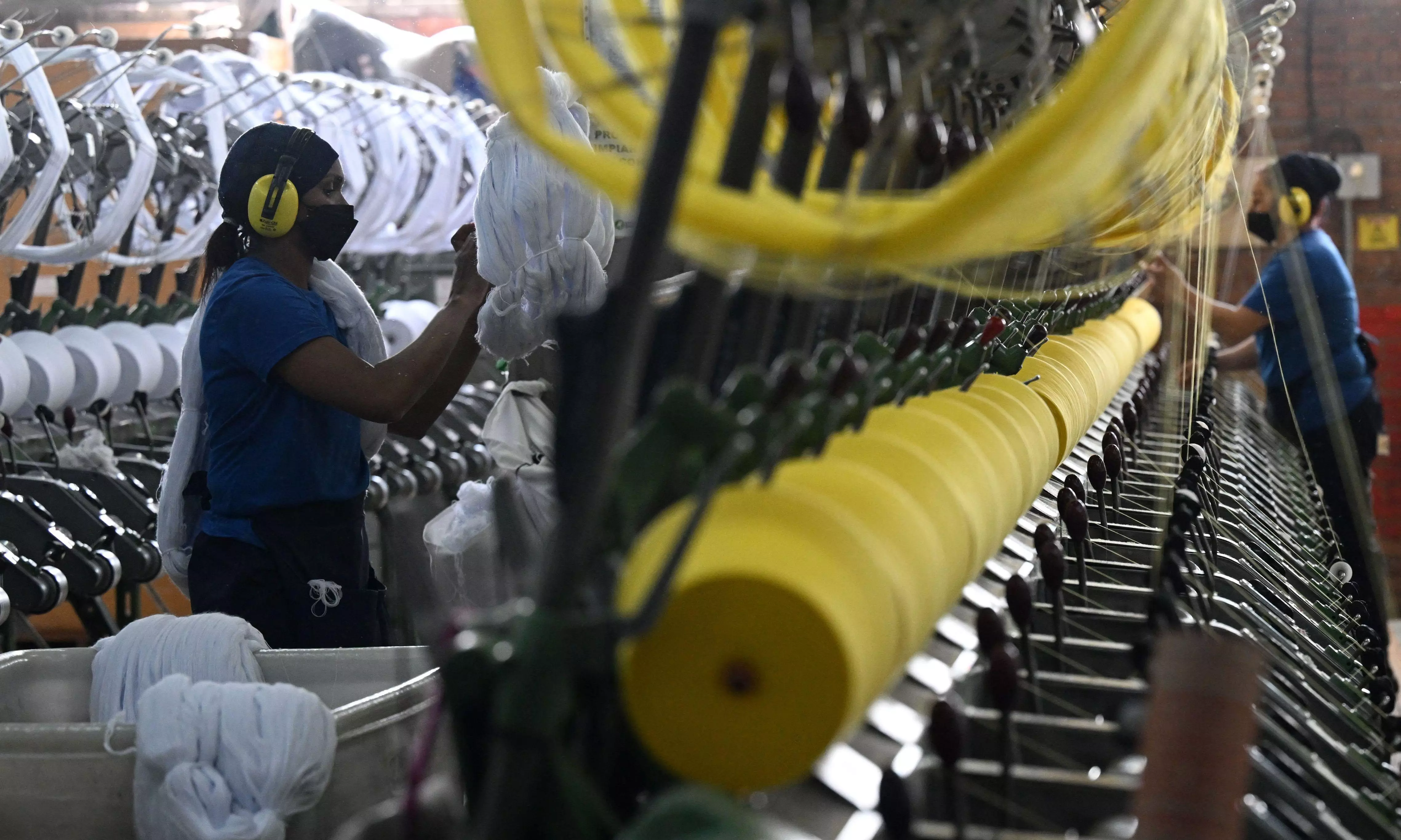
Hyderabad: Telangana’s major textile clusters are expected to benefit from a new national plan that promotes a mix of recycling technologies to turn textile waste into fresh fibre. Garment and spinning hubs in Warangal, Sircilla, Gundla Pochampally, Jadcherla and Mahabubnagar, along with export units around Hyderabad and Karimnagar, are seen as key beneficiaries of the roadmap.
The Union Ministry of Textiles recently released a study titled Mapping of Textile Waste Value Chain in India. It estimates that India generates about 7,073 kilotonnes of textile waste every year, of which 58 per cent comes from post‑consumer sources such as used clothes, while 42 per cent is pre‑consumer waste from factories.
While nearly 97 per cent of pre‑consumer waste is already reused or downcycled, post‑consumer waste recovery remains low due to gaps in infrastructure and policy, despite strong informal collection networks.
For Telangana, the push for integrated recycling infrastructure and formal waste streams could lead to new investments in sorting centres, mechanical recycling lines and, later, chemical recycling plants linked to existing polyester and blended‑fibre units. “The real opportunity for Telangana is to link our spinning and weaving capacity to a circular feedstock system,” said Dr Kavitha, a textile technologist and consultant based in Balanagar.
“If we set up regional pre‑sorting and baling hubs for used garments, our mills can use more mechanically recycled cotton blends to make yarn for workwear, home textiles and technical fabrics,” she added.
Experts say no single recycling technology can handle India’s diverse textile waste. Mechanical recycling is cheap and mature but reduces fibre quality, making it suitable for low‑value products such as mats, insulation and non‑wovens. Chemical recycling, which breaks fibres into monomers or polymers for reuse, offers the best chance for true textile‑to‑textile circularity and near‑virgin quality fibre. However, it is capital‑ and energy‑intensive and mostly at pilot stage.
Thermo‑chemical methods such as pyrolysis and gasification can process mixed or soiled waste into syngas and other feedstocks but are not yet ready for closed‑loop fibre production. “The hybrid model makes sense for Telangana,” Dr Kavitha said. “Mechanical recycling can handle large volumes of cotton waste from garment units, while chemical recycling can tackle polyester‑rich streams from sportswear and uniforms. This way, we maintain quality where needed and still achieve scale.”
The study says India’s textile recycling market could reach Rs 35,000 crore by 2030, creating about one lakh green jobs. It calls for policy support to scale both mechanical and advanced recycling and to formalise the informal sector that supports 4–4.5 million livelihoods.
By aligning state industrial and skill policies with this framework, Telangana can emerge as a pilot region for circular textile parks and waste‑to‑fibre innovation.
