Telangana To Develop Nelakondapalli As Ancient Buddhist Site

Archaeological evidence indicates that Nelakondapalli flourished as a Buddhist township and monastic complex until the 6th century CE, after which it gradually fell into disuse.
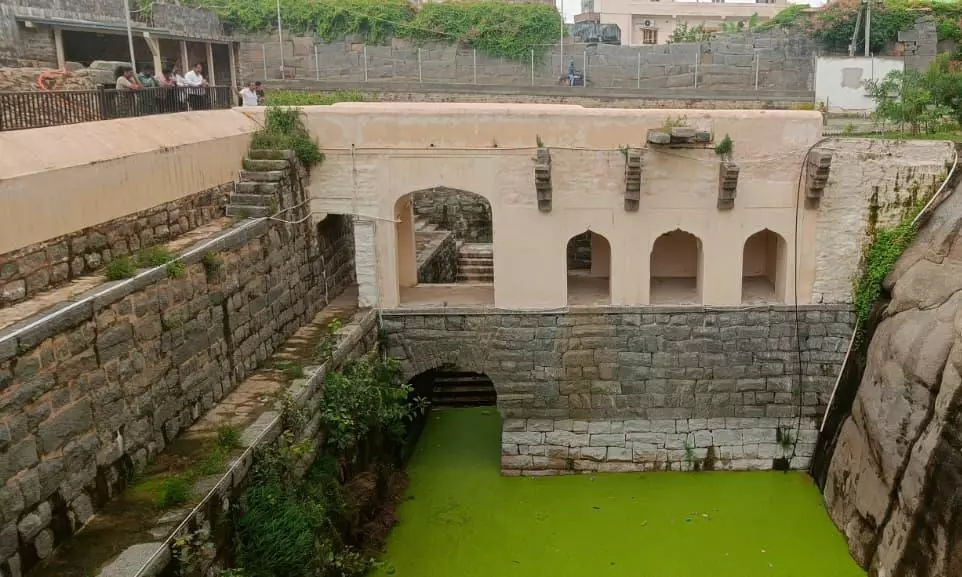
Hyderabad: The ancient Buddhist site at Nelakondapalli in Khammam district, Telangana, which dates back to 1 BC, is set for conservation and tourism development. Once a prominent urban centre during the Sātavahana, Ikṣvāku, and Vishnukunḍin dynasties, the site represents all three major Buddhist traditions: Theravada, Mahayana, and Vajrayana, as evidenced by sculpted panels, symbolic reliefs, and Buddha images.
Archaeological evidence indicates that Nelakondapalli flourished as a Buddhist township and monastic complex until the 6th century CE, after which it gradually fell into disuse.
The site was rediscovered in 1978 by the heritage department and excavations continued until 1990, revealing a mahastupa, viharas, and numerous artefacts ranging from pre-historic tools to early-historic sculptures.
According to heritage department officials, the district administration has sanctioned `50 lakh for conservation and visitor amenity works to transform Nelakondapalli into a major heritage-tourism spot. Parallelly, the tourism department is developing the Khammam Fort Ropeway, and plans are underway to establish a museum showcasing artefacts from the prehistoric, proto-historic, early-historic, and Khammam Fort periods.
The Telangana heritage department presently maintains 14 museums across the state.
In addition, a new museum building at Warangal Fort has been completed to replace the old 1980-era structure. Once administrative approvals are finalised, it will display antiquities and sculptures from the prehistoric to Kakatiya periods, further enriching the state’s cultural infrastructure.
